Key Takeaways
- Flu, colds, COVID-19, and RSV are making the rounds during the cold months.
- Wash your hands frequently, stay home if you are sick, get the available vaccines, and consider wearing a mask in public.
- If you do get sick, get as much rest and fluids as you can.
Whether you want virtual urgent care on demand, an urgent care location, or a primary care provider, we are here for you. Easily schedule appointments or find walk-in care when and where needed.
As the weather gets colder and we all start staying indoors more often, more illnesses typically start to spread. Flu season is ramping up, and colds and viruses are abundant. Hospitals, urgent cares, and other medical locations are becoming increasingly busy, and people want to start the new year as healthy as possible.
Michael Mancenido, DO, is an infectious disease specialist with Rochester Regional Health who has some suggestions on avoiding these pesky viruses – and what to do if you do end up getting sick.
How to avoid getting sick this winter
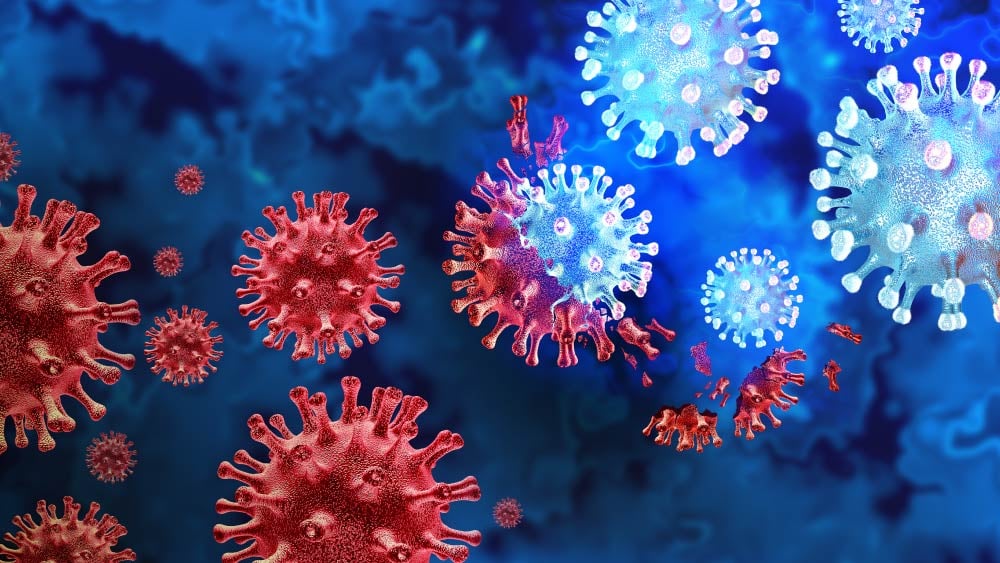
Some of the most common illnesses during the winter season are caused by respiratory viruses. Colds, the flu, RSV, and COVID-19 are all due to respiratory viruses that share some similar symptoms.
Early symptoms of these viruses include:
- Stuffed/runny nose
- Cough
- Sore throat
- Fatigue
While these symptoms are similar to one another, flu comes on much more quickly than a cold and can sometimes lead to more serious complications.
COVID-19 also comes on more quickly than a cold and can be even more serious than the flu.
“A good number of the ways people can avoid getting sick with any of these viruses is to stick to the basics that we’ve all heard so many times: washing our hands, staying home when sick, and getting vaccinated,” Dr. Mancenido said.
Wash your hands
Use antibacterial soap and water and wash your hands at least 20 seconds after you have been in public places or meet someone who may be sick.
Stay home if you are sick
Showing up to school or work or a social event for the sake of being there while you are sick is not helpful for you or for anyone around you.
Get the available vaccines
Vaccines have been developed to protect us against many diseases and viruses. Because colds stem from several different kinds of viruses, there is not a vaccine to protect against getting a cold. Thankfully, we have vaccines available to protect against influenza, COVID-19, and RSV.
All three of these vaccines are considered strong and effective at preparing your body’s immune system to fight off a potential infection. Most pharmacies and Rochester Regional Health offices carry these vaccines.
Consider wearing a mask
When in public places, a mask can reduce the likelihood that you are ingesting any viral particles in the air. Also, if you happen to be sick yourself, you are less likely to spread any illness to anyone else around you.
What to do if you are sick
Sometimes no matter how much effort we put into avoiding getting sick, we manage to become ill. With all of the similarities between cold, flu, RSV, and COVID-19 symptoms, it is a good idea to take a COVID-19 or flu test. Most local pharmacies carry at-home test kits that show you results in as little as 15 minutes. Urgent cares often have drive-up services where you can get a swab and wait for your results in your vehicle.
“If you have symptoms, it is best to know sooner than later,” Dr. Mancenido said. “This can help to limit the spread of whatever virus or illness you may have.”
Rest as much as you can; your body needs to rest and recover from whatever illness is in your body. Keep in mind that, whichever virus you may have, you need to give your body a break and rest.
Allow your immune system to do what it is supposed to do and fight the infection so that you can get back to your daily routine.
Related Articles