
Key Takeaways
- Cupping therapy is a treatment that uses suction to increase blood flow and help relieve muscle pain and stiffness.
- Research suggests cupping reduces inflammation and improves recovery times.
- Cupping usually causes temporary circular marks on the skin; serious side effects are rare when done by a trained provider.
At The Springs, we are committed to the well-being of every patient by providing integrative therapies for a wide range of medical conditions.
Cupping therapy is a form of manual therapy that has been used for thousands of years in many diverse cultures including China, Greece, and the Middle East. Today, athletes and people with muscle or joint pain commonly use it as part of a broader recovery or rehabilitation plan.
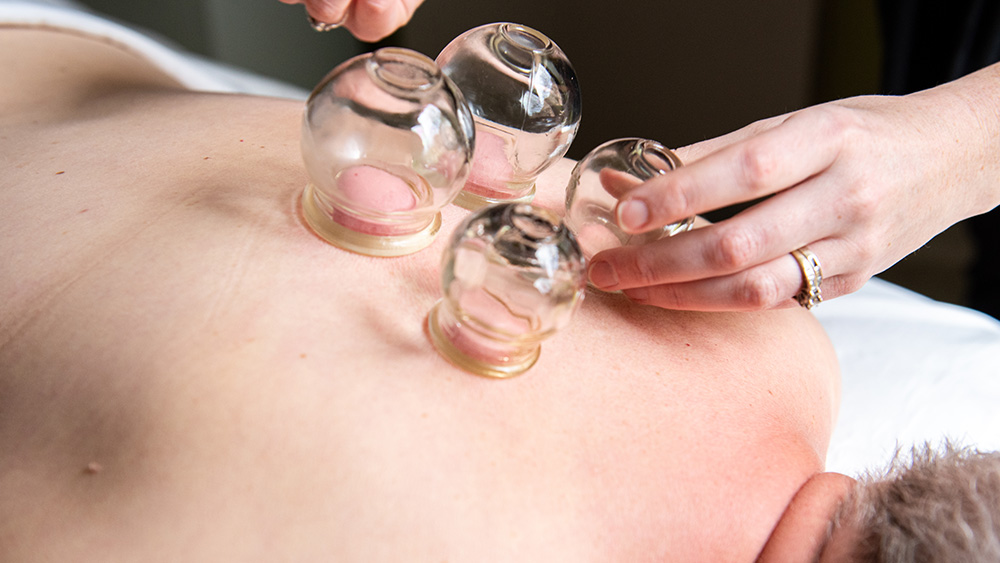
During cupping therapy, a trained provider places cups - often made of glass, silicone, or plastic - on the skin and creates suction. This suction gently pulls the skin and underlying tissue upward, increasing blood flow to the area.
Cupping is often used on the back, shoulders, and legs, but it can be performed on other areas of the body depending on symptoms.
Mary Sarratori, MSAOM, L.Ac, is a licensed acupuncturist at Clifton Springs Hospital’s Integrative Medicine Center (locally known as The Springs) and explains the benefits of cupping, who should avoid it, and what to expect during a cupping therapy session.
How cupping therapy helps your body recover
Using either glass cups heated with alcohol and fire or silicone cups applied with a pump, cupping therapy offers many benefits to athletes who are recovering, as well as patients who do cupping therapy alongside other treatments.
Improved blood flow: When suction expands small blood vessels near the skin, this may help to bring oxygen and nutrients to tight or sore muscles.
Muscle relaxation: The pulling effect may help loosen connective tissue and reduce muscle stiffness, similar to how the body responds to a deep‑tissue massage.
Pain modulation: Some studies suggest cupping may help reduce pain by influencing how pain signals are processed by the nervous system
Short-term pain relief: Scientific analysis shows cupping may reduce pain intensity in conditions like chronic low back pain, neck pain, and knee arthritis.
“As we apply suction, this dilates those small blood vessels to allow more blood flow into that area, which has shown to be able to help with circulation, tightness of muscles, and quicker recovery from injuries,” Sarratori said.
Side effects of cupping
Cupping is generally considered to be a safe, low-risk therapy when done properly by a trained health professional. Some common side effects may include:
- Circular red marks that fade in 1-2 weeks
- Mild soreness
- Temporary skin discoloration
In rare cases, some people who do cupping therapy may experience a burn or minor scarring.
Risk factors for cupping
Some people should avoid cupping or consult with their primary care provider beforehand. You should avoid cupping therapy if you have:
- anemia or other chronic health conditions
- bleeding disorders/take blood thinners
- fragile or damaged skin
- open wounds
“We will use therapies and treatments that are best suited for each specific patient,” Sarratori said. “The overall constitution of their body is very important when we are trying to decide which technique we want to use.”
What to expect before a cupping session
During an initial meeting with a patient, acupuncturist or massage therapist will do an extensive intake evaluation to make sure they are receiving the best possible care and therapies. This includes a:
- physical exam
- medical history
- family history
“We are always working with you to not just treat your symptoms but to discover the reason your body is having those symptoms,” Sarratori said. “It may be different based on who you are and how you arrived at your current health condition.”
What to expect during and after a cupping session
During a cupping session, you will feel a sensation of skin being pulled tight with a suction sensation. It should not cause sharp pain. The feeling is similar to when you have a deep tissue massage. You may feel some discomfort, especially if your muscles and tissue in the affected area are already sore.
After a cupping session, you can expect to see circular marks where the suction cups were applied. These marks are not bruises in the traditional sense and typically fade on their own within one to two weeks. They are not painful.
You may feel relaxed or mildly sore for a day or two after treatment. Staying hydrated and avoiding intense workouts immediately after treatment can help with recovery. Avoid alcohol for the next 24 hours after a cupping therapy session.
Insurance coverage for cupping
Insurance coverage for cupping therapy is limited. Many insurance plans consider cupping an alternative or complementary treatment and may not cover it.
Coverage may be more likely when cupping is provided as part of a physical therapy or sports medicine treatment plan, depending on your insurance provider. Check with your insurance company before scheduling treatment.
