Key Takeaways
- Lung nodules are tiny tissue growths less than 3cm that show up on chest x-rays or CT scans.
- The best way to find and regularly track lung nodules is an annual lung cancer screening.
- If a lung nodule is found, providers can do additional testing and biopsies to determine if it’s benign or cancerous.
Lung cancer is the leading cause of cancer deaths in the U.S. but finding cancer early often means we can treat it. Take our health risk assessment and see if you are eligible for our non-invasive lung cancer screening.
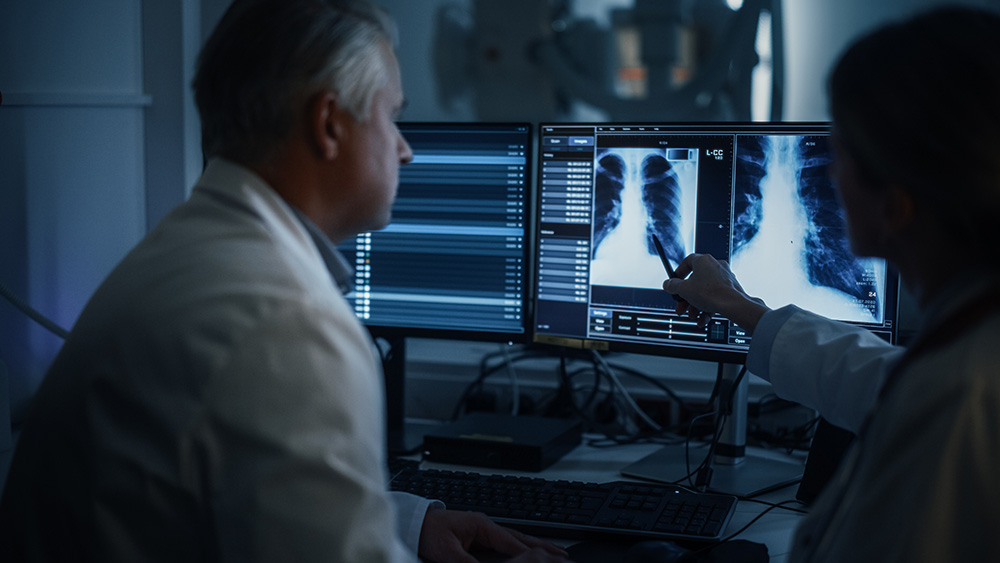
Lung nodules are mostly solid pieces of tissue less than 3cm in size that are found in the lungs. These tiny spots typically appear on x-ray imaging or CT scans.
There are several causes for lung nodules, including bacterial infections inside the lungs, inflammation, and diseases such as cancer.
Most lung nodules are benign and may even disappear over time.
“The majority of lung nodules are benign – about 90 percent by some estimates,” said Rishi Kumar, MD, a pulmonologist at Canton-Potsdam Hospital. “The nodules we are concerned about as healthcare providers are the ones we find in people who are smokers or have a history of cancer.”
Warning signs of lung nodules
There are no symptoms or warning signs of lung nodules. Patients will often discover they have lung nodules when they are receiving a chest x-ray or CT scan for other health concerns such as chest pain for a heart attack.
“Many patients are smokers and so they already have a chronic cough or shortness of breath,” Dr. Kumar said. “That's the biggest problem with lung cancer: you have no clue. There's no pain in your lung that might alert you that there's something going on. These nodules tend to grow and become large masses, and those cancers tend to spread before you even know that something's going on.”
All patients who have a history of smoking are strongly encouraged to undergo an annual lung cancer screening. Screenings involve a non-invasive low-dose CT scan, which takes about 10 minutes and is covered by most insurance plans.
To be eligible for a lung cancer screening, a patient must be:
- 50-80 years old
- a current smoker or have quit smoking within the last 15 years
- a 20-pack year smoker (pack years = number of packs per day X number of years smoked)
What happens when a lung nodule is discovered
If an abnormal finding is detected, providers may order further tests to determine what is present on the scan.
For lung nodules, providers are looking at three factors:
- size of nodule
- personal/family history of cancer
- growth over time
Knowing if a lung nodule is growing over time is part of what makes annual lung cancer screenings so important; these images help providers determine if a nodule is growing or remaining the same size. This allows for earlier cancer detection, which saves lives.
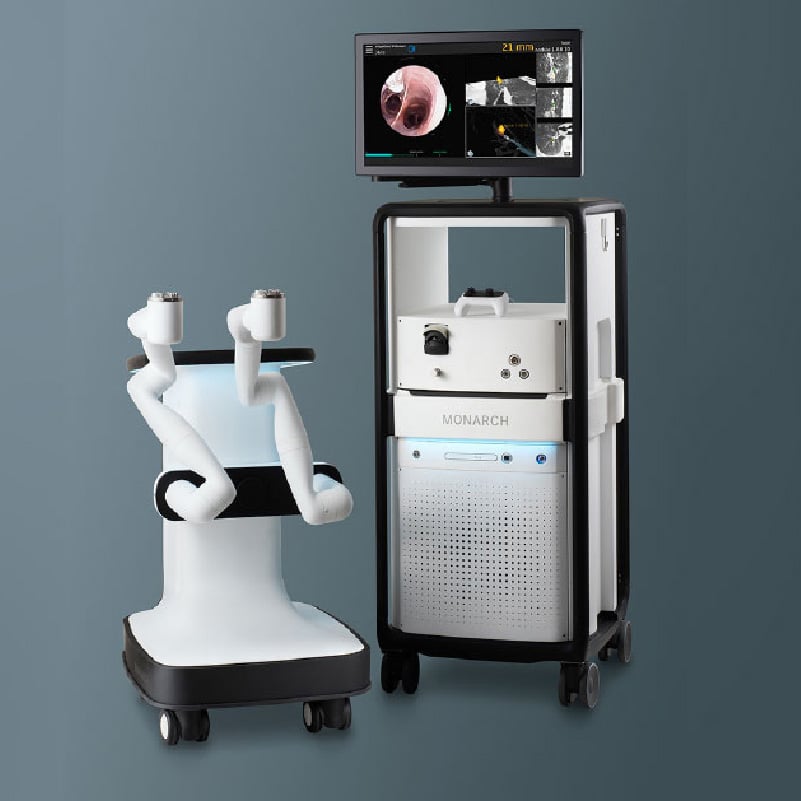
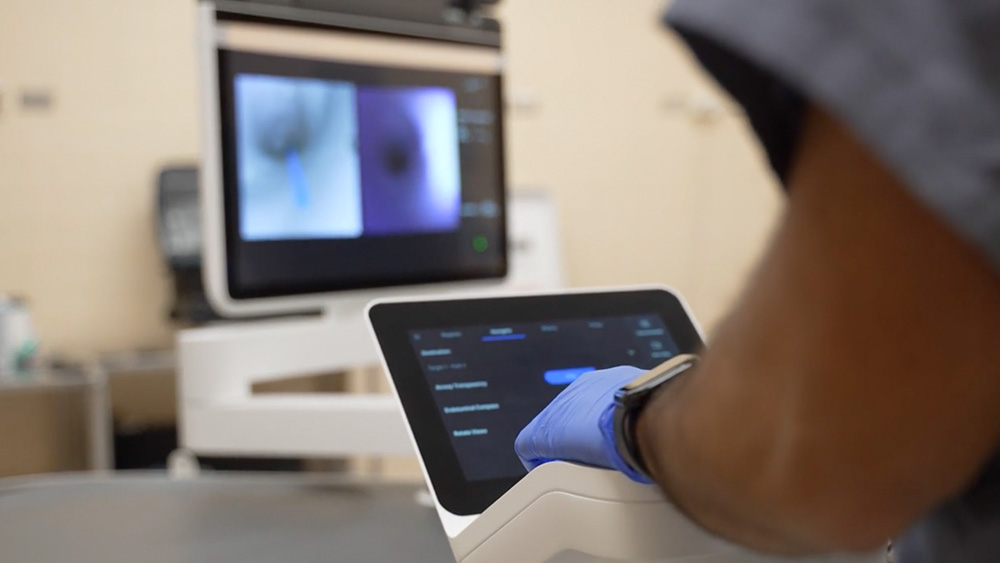
If a biopsy is needed, pulmonologists will use tools like the Ion Robotic Bronchoscopy system to evaluate the nodule. Using a very thin tube with a tiny camera on the end called a bronchoscope, the pulmonologist will look inside the lungs, examine the nodule, and take a sample for biopsy.
When doing a bronchoscopy, they are also able to evaluate the lymph nodes in the chest to see if the cancer has spread, which saves patients from having to return for additional procedures.
“Most patients are able to learn their results within one week,” Dr. Kumar said.
If a lung nodule is determined to be benign, providers will continue to monitor it and follow up with annual screenings in case something more serious develops.
If the growth is cancerous, providers will set up a personalized treatment plan based on the patient’s needs. Depending on what stage the cancer is, treatments may include
- surgery
- radiation therapy
- chemotherapy
- targeted therapies
- clinical trials

Related Articles