Key Takeaways
- Urinary incontinence and pain with sex are common issues that could be affected by pelvic floor function.
- Visit your OBGYN or primary care provider to see how a pelvic physical therapist could improve your pelvic floor muscles.
- Stretches to lengthen your pelvic floor muscles are a good place to start for many women who struggle with incontinence and pelvic pain.
Maintaining control of your pelvic floor muscles can be a challenge no matter what stage of life you are in.
Issues like leaking urine while coughing, laughing or sneezing, or having pain with sex can be embarrassing for women to talk about with their health care team. Erika Kozlowski, MSPT, is the lead physical therapist for Rochester Regional Health’s Pelvic Health Center and frequently sees patients with these concerns.
Kozlowski explains that these types of health issues do not have to be normal for women. She shares how our body’s pelvic floor muscles work, what women can do to regain control over those muscles, and why it’s important to focus on a healthy pelvic floor over a strong pelvic floor.
Common pelvic floor concerns for women
Your pelvic floor muscles sit like a hammock in the bottom of your pelvis, helping to support and control bowel movements. Those muscles work together with your abdominals, respiratory diaphragm, and deep back extensor muscles to maintain your ability to control urination (peeing) and defecation (pooping).
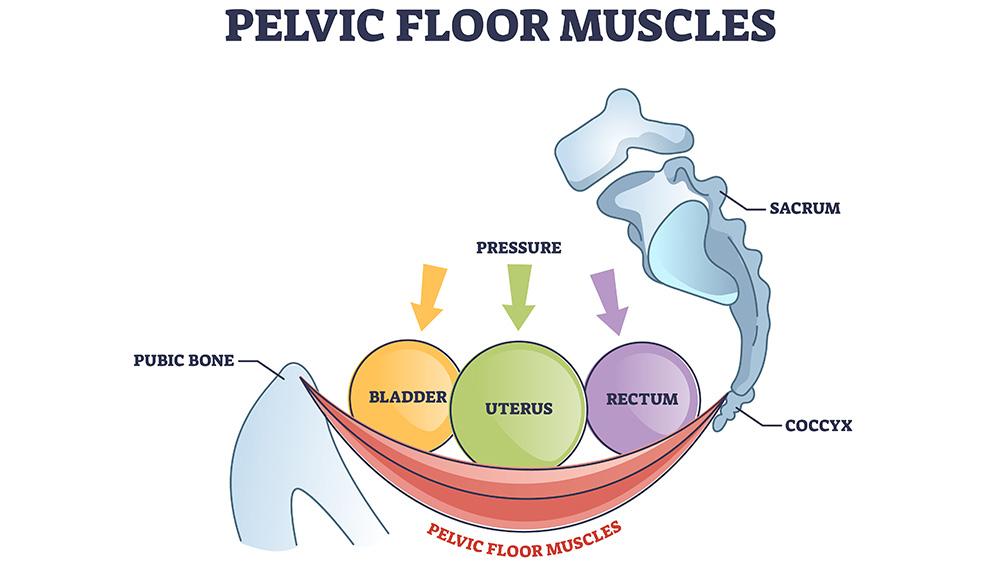
When your pelvic floor muscles become contracted and/or lose their strength, it can affect:
- urination
- defecation
- sexual health
- ability to have a pelvic exam
- inserting tampons
“Especially when the conversation revolves around sex, plenty of young women feel shame and don't know that it shouldn't cause pain and they're hesitant to talk about it,” Kozlowski said. “There is help for it.”
For women who have had children, there’s a narrative of it being normal to leak when you cough or sneeze. While this is not uncommon, Kozlowski explains to her patients that it is not normal.
“Many women are able to get those muscles to return to their former strength and length on their own, but a lot of them need intervention to strengthen those muscle groups by using other stretches and exercises,” Kozlowski said.
How to strengthen your pelvic floor
If you are having issues controlling your pelvic muscles, can’t fully empty your bladder, or have pain with sex, visit your OBGYN or a pelvic physical therapist before starting any exercises or stretches.
Often, Kozlowski said, women who are dealing with pelvic floor concerns will try to strengthen their pelvic floor muscles by doing Kegel exercises. While this can be effective for some patients, doing any strengthening exercises correctly is important. Additionally, strengthening the muscles is not always the main issue.
Muscles need to be able to fully lengthen and fully contract to work properly. If your pelvic muscles are short, tight and stiff, you won’t be able to strengthen them properly. Having an OBGYN or pelvic physical therapist perform an internal exam will determine if you need to work on lengthening those muscles.
“If someone can't completely lengthen those muscles, then we work on stretching and things like that,” Kozlowski said. “If it's more related to weakness, then we work more on pelvic floor and core engagement. Once we restore the full length of the muscle, then we start working on strengthening as well.”
Stretches for a healthier pelvic floor
Instead of recommending strengthening exercises, pelvic physical therapists like Kozlowski may suggest starting with stretches to help lengthen muscles in the pelvic floor. These can be done once or twice every day - holding each one for 10-60 seconds, depending on your comfort level.
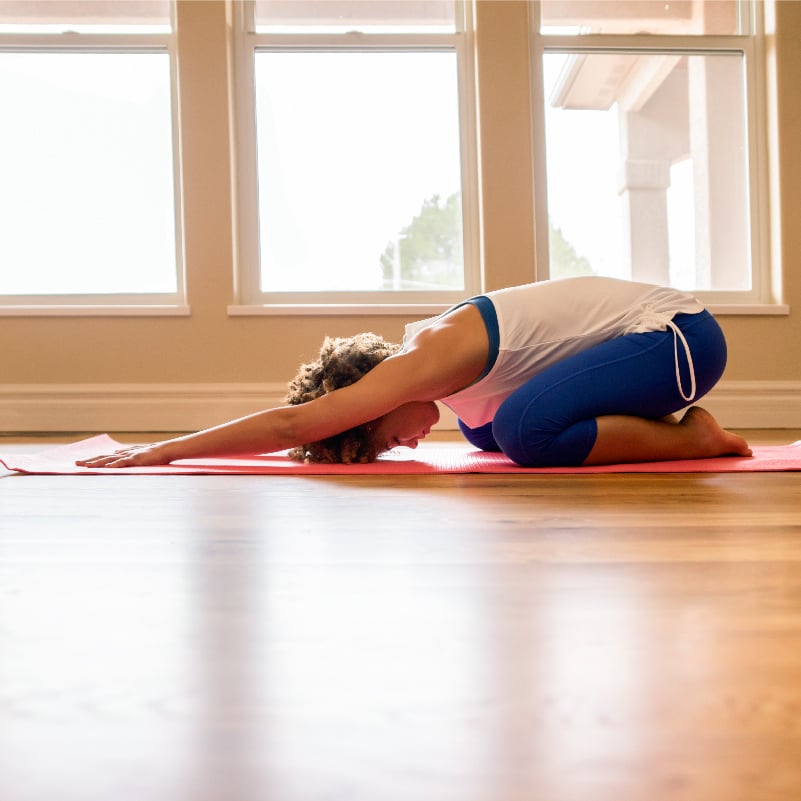
1. Child’s pose
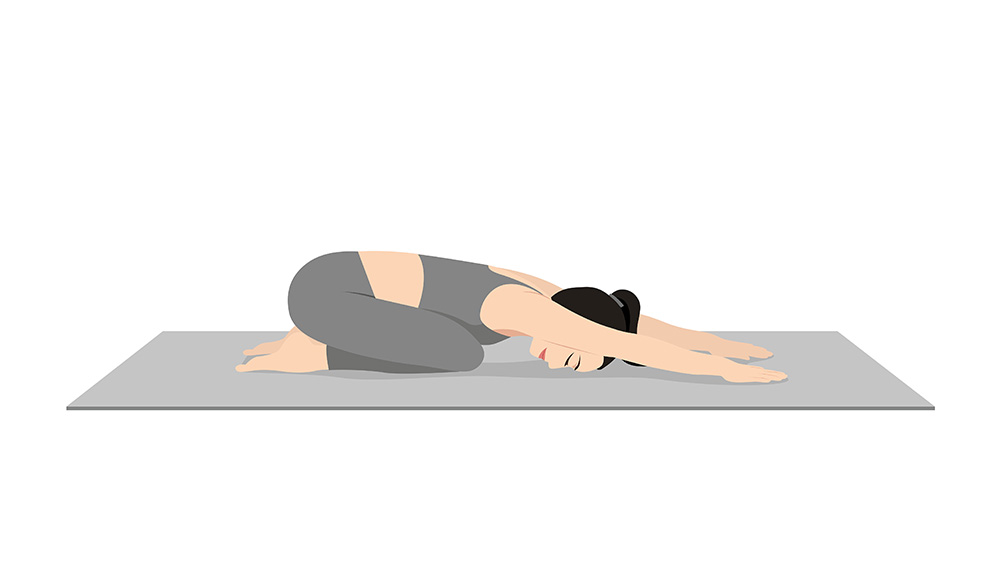
This yoga posture begins by kneeling and sitting on your knees. Lean forward and keep your glutes on your heels, then press your forehead to the ground. Stretch your arms in front of you, keeping your palms flat toward the floor.
2. Butterfly stretch

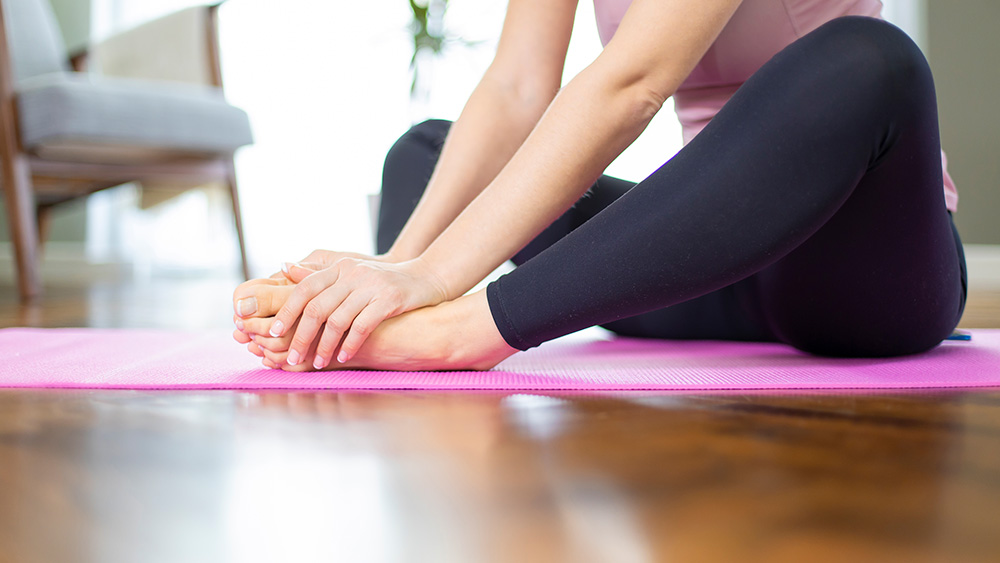
Sit down on your bottom with your legs out in front of you. Sit upright with your shoulders back, then bring the soles of your feet together and let your knees fall to the sides. Bring your knees down toward the ground as far as you can while keeping your feet pressed together.
3. Happy baby pose
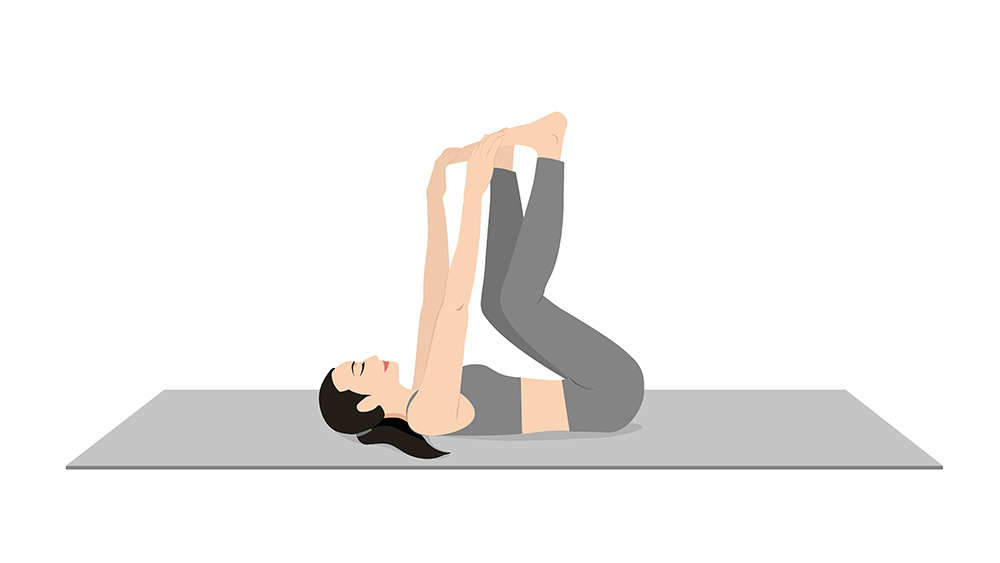
Lie on your back with your head resting on the floor. Bring your knees toward your chest at a 90-degree angle, with the soles of your feet facing the sky. Grab the inside or outside of your feet, then slowly spread your knees apart – moving them toward your armpits. Hold the pose as you begin to feel the stretch.
4. Diaphragmatic breathing
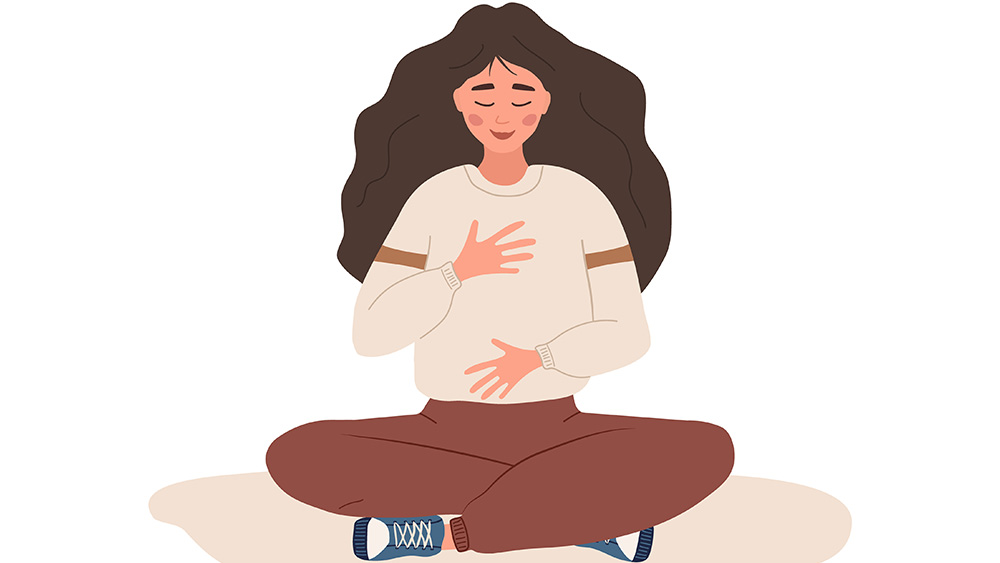
Breathing from your respiratory diaphragm engages your pelvic floor. Take a deep breath in, feel your diaphragm expand, and hold that breath. Release your breath and feel your diaphragm return to its original position as you exhale.
If you are trying any of these stretches and start to feel pain, you should stop.
“Each of these are pelvic opening or pelvic lengthening exercises,” Kozlowski said. “These stretches are beneficial to open up the pelvic floor.”
Related Articles