Key Takeaways
- Rhabdomyolysis happens under rare, extreme circumstances when muscles break down and release a pigment into your bloodstream that can damage the kidneys.
- If you think this is happening to you or someone you know, call 911 and head to the nearest emergency department.
- Drinking plenty of fluids and listening to your body can help to prevent rhabdomyolysis from happening.
If you or someone you know needs to be treated for suspected rhabdomyolysis, call 911 or get them to the closest hospital as soon as possible.
During times of extreme physical exertion, a rare but severe medical complication called rhabdomyolysis can happen.
Rhabdomyolysis, sometimes referred to as rhabdo, is when your body’s skeletal muscles start to break down, releasing the cellular components into the body’s bloodstream. Once it begins, rhabdomyolysis moves quickly and can shut down the kidneys and other vital organs in the body.
While rare, examples of rhabdomyolysis are often shocking and scary for people who are active and want to make sure this doesn’t happen to them.
Jonathan Bress, MD, is a nephrologist with 16 years of experience at Rochester Regional Health and explains what happens to the body during rhabdomyolysis, what athletes should do if they start showing signs of rhabdo, and what people can do to prevent this from happening.
What happens during rhabdomyolysis
Byproducts of muscle breakdown during rhabdomyolysis include:
- aldolase
- creatine kinase (CK)
- electrolytes
- lactate dehydrogenase
- myoglobin
“When the muscle breaks down, it releases a pigment called myoglobin into your bloodstream,” Dr. Bress said. “Myoglobin makes our muscles pink, and that can damage your kidneys.”

Warnings signs of rhabdomyolysis
Three classic symptoms of rhabdomyolysis often follow periods of intense exercise. They are:
- weak limbs
- extreme muscle pain in one arm or leg
- tea-colored urine (very dark)
Triggers for rhabdomyolysis
Rhabdomyolysis can stem from several conditions or injuries.
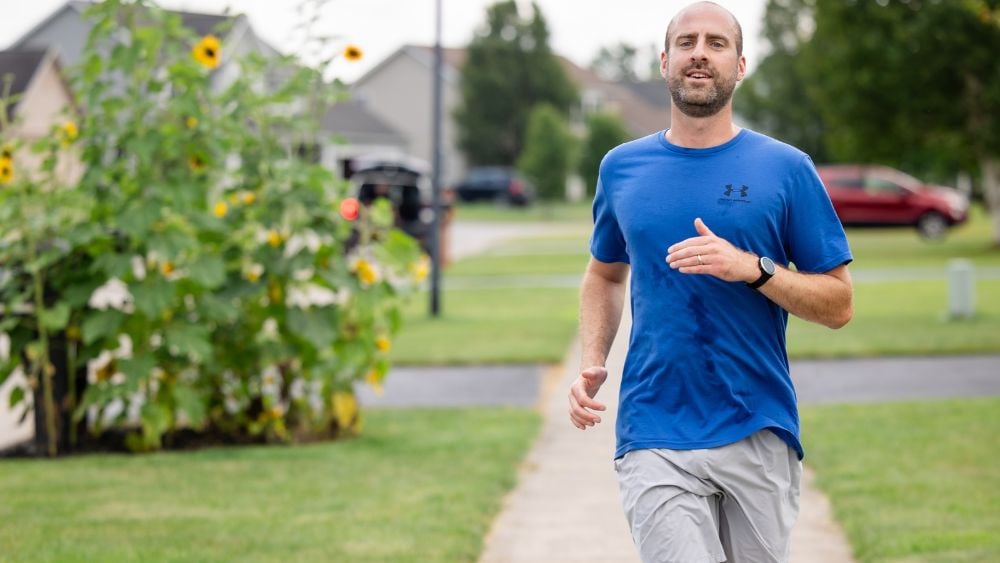
Athletes may develop rhabdomyolysis during or after extreme physical exertion, such as a marathon, ultramarathon, a spin class, or repeated heavy weightlifting with the same motion repeated over and over.
Crush injuries can spur rhabdomyolysis in situations where someone is trapped under a building, rubble, or a heavy object.
Elderly people who have fallen with their arm or leg underneath them and are unable to get up might develop rhabdomyolysis as well.
Where to go to treat rhabdomyolysis
For any of these situations, if you think the symptoms you are experiencing or the symptoms someone else is experiencing are linked to rhabdomyolysis, you should call 911 and go to the nearest emergency department as quickly as possible.
Can you recover fully from rhabdomyolysis?
The vast majority of people who develop rhabdomyolysis are able to make a full recovery.
After someone suspected of having rhabdo arrives at the emergency department, they will be tested for myoglobin in their urine and creatine kinase in their blood.
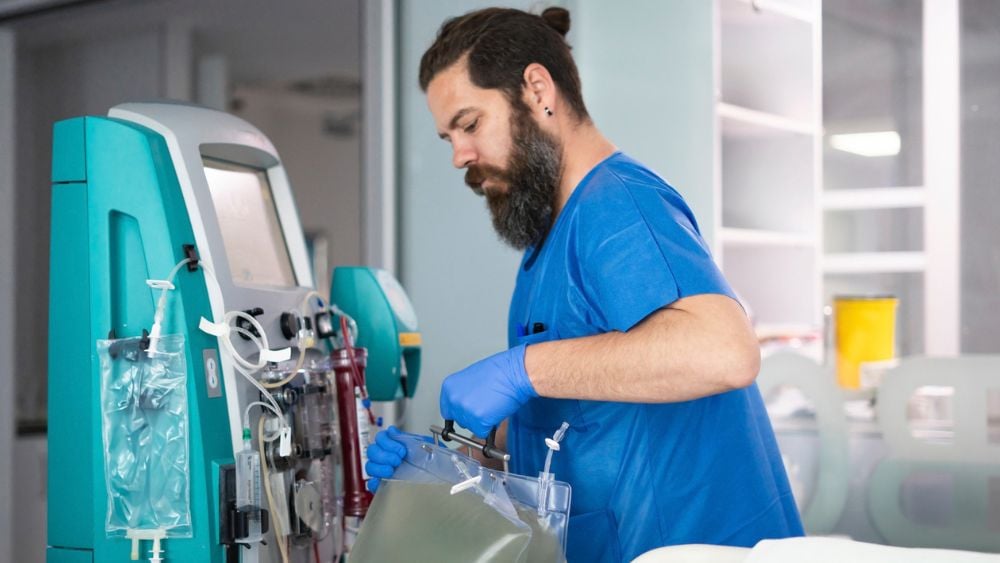
If these tests come back positive, the patient will need to be given high amounts of IV fluids. In severe cases, they may need to begin dialysis.
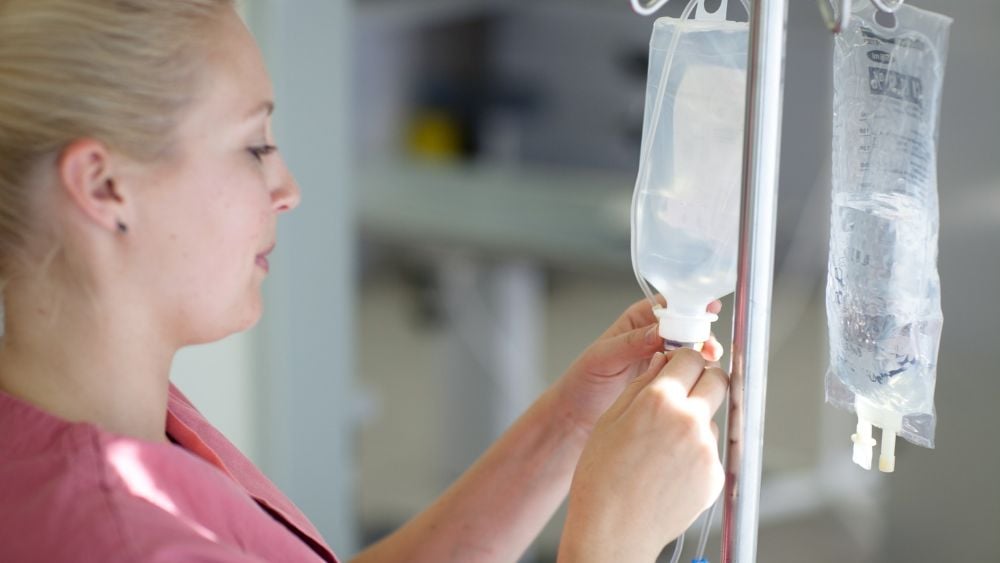
While the recovery time varies from person to person, once the IV fluids start to work, some people can start to turn around within 12-24 hours. In rare severe cases, people may need to undergo dialysis to help their kidneys process toxins for weeks – but this is very unusual.
“Most cases turn around within a few days, but not always,” Dr. Bress said. “Early treatment and detection is key.”
What you can do to prevent rhabdomyolysis
Since most preventable rhabdomyolysis cases are linked to extreme physical activity, athletes should take as many precautions as they can.
For long distance endurance or high-intensity exercises like an intensive spin or cycling class, work your way up to the level of intensity you are training for. Trying something new is great, but don’t jump from zero to a marathon without letting your body prepare for it.
Hydrate regularly, especially in higher temperatures with higher levels of humidity.
Finally, be sure to listen to your body. There is a line between feeling uncomfortable because an exercise is new and feeling pain because something is wrong.
“If you feel isolated muscle soreness, that is the time to stop and excuse yourself from the activity, not to push through it,” Dr. Bress said.
Need Emergency Care Now?
If you or someone you know needs to be treated for suspected rhabdomyolysis, call 911 or get them to the closest hospital as soon as possible.
Related Articles