
Key Takeaways
- There are several immunizations that are required for students to enroll in public school districts.
- For students entering UPK or kindergarten, there are 7 vaccines that each child needs to be up-to-date on.
- All vaccines are rigorously studied, reviewed, and continuously analyzed to ensure they are safe for children to receive.
In recent years, standard vaccination rates for children have plummeted. The World Health Organization reports 14.3 million children missed out on lifesaving vaccines in 2024 alone.
The Advisory Committee on Immunization Practices (ACIP) recommends children entering a school setting be immunized against several diseases. As millions of children get ready to return to classrooms in the fall, parents may be checking to see if they are up to date on these required immunizations.
Andrea Hernady, MD, is the lead physician at Penn Fair Pediatric Group with Rochester Regional Health and explains the immunization requirements for schools and how each vaccine protects a child.
Required immunizations for children
In New York, children in any public, private or parochial child caring center, day nursery, day care agency, nursery school, kindergarten, elementary, intermediate or secondary school setting must meet the vaccination requirements. There are medical exemptions allowed for eligible children; religious exemptions do not apply as of 2019.
There are seven immunizations required for children entering pre-kindergarten:
- Diphtheria, Tetanus and Pertussis (DTap)
- Polio
- Measles, Mumps, and Rubella (MMR)
- Hepatitis B
- Varicella (chickenpox)
- Haemophilus influenzae
- Pneumococcal Conjugate (PCV)
Once students reach the sixth grade or age 11, the Tetanus, Diphtheria, and Pertussis (Tdap) vaccine is required. Seventh-grade students need to have the Meningococcal Conjugate (MenACWY) vaccine, as well. This falls in line with the child vaccination schedule endorsed by the American Academy of Pediatrics.
“As we enter the back-to-school season, it is important to make sure children are up to date on their vaccines – not only the standard ones, but the strongly-encouraged influenza and COVID-19 vaccines as well,” Dr. Hernady said.
The American Academy of Pediatrics recommends children ages 6-23 months receive a full series of the COVID-19 vaccine; children ages 2 years and older who are high risk should receive a single dose.
How vaccines keep children healthy
Over the last few years, there has been a continued decline in child immunizations.
All of the vaccines listed above have been vigorously studied and reviewed and been determined to be safe and effective. Doctors and medical providers have administered these vaccines to hundreds of millions of people.
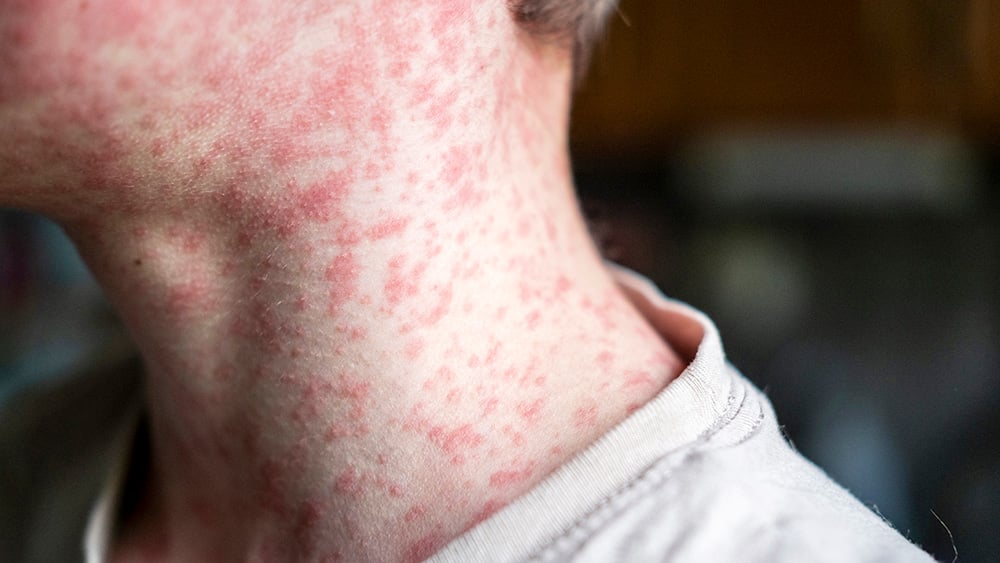
"We did see an increase in some preventable disease within the last several years when people stopped vaccinating for the measles, mumps, and rubella (MMR) vaccine,” Dr. Hernady said. “There were some people who were not vaccinating for them and we did see a rise in both measles and polio outbreaks, which we hadn’t seen in years.”
The American Academy of Pediatrics strongly encourages child immunizations as “a safe, effective way to protect children from disease, including some cancers, as well as hospitalization, disability, and death.”
Related Articles

.jpg?h=1173&iar=0&w=2083)