Key Takeaways
- Pre-menopausal women can become pregnant after breast cancer, but chances depend on age, overall health, cancer staging, type of breast cancer, chemotherapy use, endocrine therapy use, and other factors.
- Experts suggest most women with ER+ breast cancer receive at least 24 months of endocrine therapy before interrupting treatment to try and conceive.
- Egg retrieval and freezing services prior to treatment may be right for some patients.
We know how quickly a breast cancer diagnosis can change someone’s life and the lives of those they love. With a strong support system, a spirit of determination, and modern medicine, we will partner with you to confront this disease head-on and secure hope for you and your loved ones.
Conquering breast cancer is an intense and emotional journey. The future can look different in many ways, including making decisions about having a child.
Rachel David, MD, specializes in medical oncology at Rochester Regional Health and provides perspective into the intersection of fertility and post-breast cancer life.
Can I get pregnant after breast cancer?
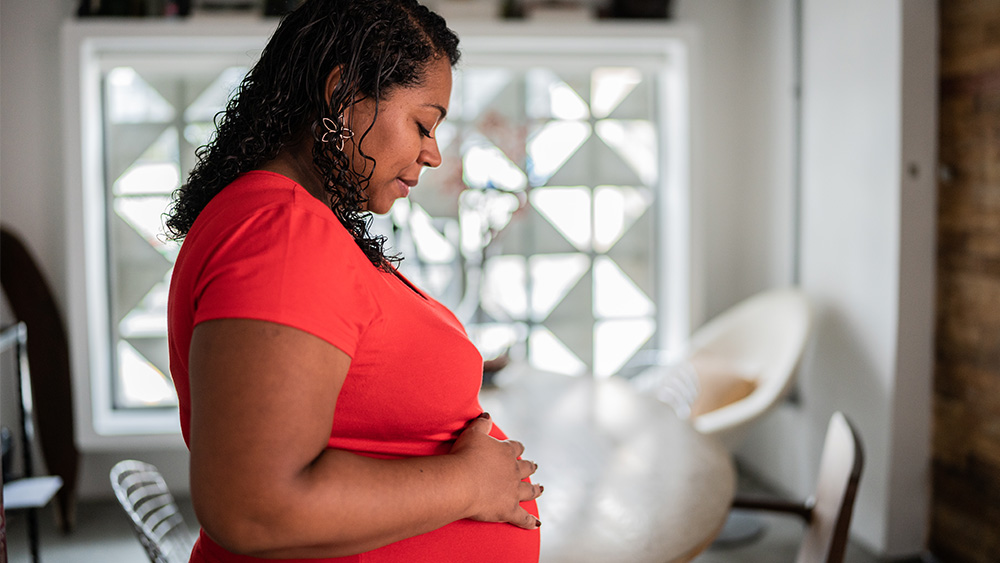
Pregnancy is possible for pre-menopausal women who have been treated for breast cancer. While certain types of cancer treatment can affect a woman’s ovaries and future fertility, successful pregnancies are not out of question.
The likelihood of a woman becoming pregnant can depend on several factors, including:
- Overall health
- Patient age
- Type of breast cancer (ER+, HER2, triple negative)
- Stage of the tumor
- If endocrine therapy is used
- If chemotherapy is used
- Patient’s timeline for family planning
It is important to have conversations with your oncologist, OB/GYN, and/or REI provider about your reproductive system before and after your treatments. After initial conversations, a medical oncologist will discuss any potential treatment options, including chemotherapy and other medications, with the patient’s OB/GYN or REI provider who can discuss fertility and pregnancy together with their patient.
“We are able to offer pre-menopausal women the highest standard of care,” Dr. David said. “From the moment of diagnosis and each day afterward, we work very closely with other doctors and specialists to minimize any risks to fertility and other organ systems.”
“We discuss fertility and referral to the REI team for an assessment with all premenopausal patients, even if the patient is unclear if she desires future fertility. We want to have as much information as we can to make informed decisions about her treatment.”
Do cancer treatments affect my ability to get pregnant?
Some treatments have no effect on a woman’s ability to become pregnant and have a baby. Some treatments do affect a woman’s fertility.
Surgery and radiation are very common courses of treatment for breast cancer. Existing research suggests these do not reduce a woman’s chances of becoming pregnant in the future.

Chemotherapy can increase the risk of future infertility. Some of the agents that affect the ovaries include:
- Platinum agents
- Alkylating agents (i.e., cytoxan)
- Taxanes
- Anthracyclines
If a woman does become pregnant and successfully gives birth to a baby, there can be some post-operative complications related to breastfeeding. Sitting down with a lactation consultant and figuring out the best way to feed your baby is something that new mothers are strongly encouraged to do.
How long after breast cancer treatment should I wait to get pregnant?
Breast cancer survivors should have a conversation with all of their doctors prior to trying to conceive.
Women who are treated for ER+ breast cancer generally take endocrine therapy for 5-10 years. This therapy is meant to suppress estrogen in your body as part of the breast cancer treatment. During pregnancy, estrogen levels rise significantly. New data suggests that it is likely safe to interrupt endocrine therapy after 2 years to conceive and then resume endocrine therapy once the baby is born and the patient is no longer breastfeeding.
For patients who have received chemotherapy and will not receive endocrine therapy, we suggest waiting at least 6 months before trying to conceive. The reasoning behind this waiting period is the need for the body to get rid of some of the chemotherapeutic agents. It can take a minimum of 3-6 months to fully metabolize and excrete some of that material.
“There can be some lingering effects of the chemotherapy agents,” Dr. David said. “Once a woman has gone through that waiting period, she is likely to be in her best health and in a better position to have a healthy pregnancy as well.”
What if I am pregnant and currently being treated for breast cancer?
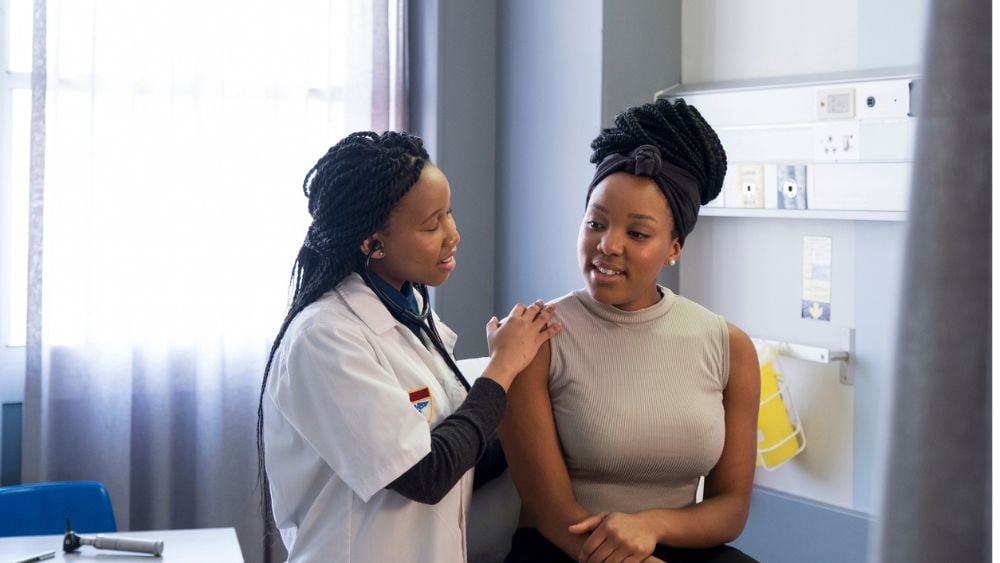
Being diagnosed with breast cancer during a pregnancy can be quite scary. Having a team of highly trained specialists like the ones at Rochester Regional Health can help to lessen some of those fears.
Breast cancer is the most common form of cancer diagnosed in pregnant women, so carefully treating the disease is a very well-known and relevant topic to high-risk pregnancy doctors.
Women in this situation are treated by a multidisciplinary team, including a medical oncologist, surgeon, MFM, OB, and pediatrician. They will assess several factors, including:
- Overall health
- Progression of the pregnancy
- Stages of the cancer
- Location of the cancer
- Personal health preferences of the mother
This information will be used to create a specific treatment plan.
“The health of the mother is our primary concern,” Dr. David said. “We plan to treat the mother with the highest standard of care. We then adjust that plan, if needed, to ensure that we are keeping the baby healthy as well.”
“It is possible to have a good cancer outcome and a good baby outcome, too,” Dr. David added. “It depends on how far along someone in their pregnancy and what therapies we think they need in their pregnancy.”
If the cancer is high risk or at an advanced stage, chemotherapy during pregnancy can be used to eradicate cancer from the mother’s body, while still paying close attention to the baby’s development and overall health. Since so much of the baby’s development happens in the first trimester of pregnancy, chemotherapy is not advised during this time.
Fertility preservation options in Rochester
If having children is not something a woman sees in her immediate future, there are ways she can preserve fertility that should be discussed with a doctor in the early stages of her breast cancer diagnosis.
Two of the most common options are freezing eggs or freezing embryos. Egg freezing involves harvesting a woman’s eggs and storing them in a cryogenic freezer until she is ready to thaw and fertilize them. Embryo freezing is a similar concept but is done after an egg has been fertilized.
If the decision is made to freeze eggs or embryos, there is typically a 4-6 week window of time for them to be retrieved. After that timeframe, therapies need to get underway.
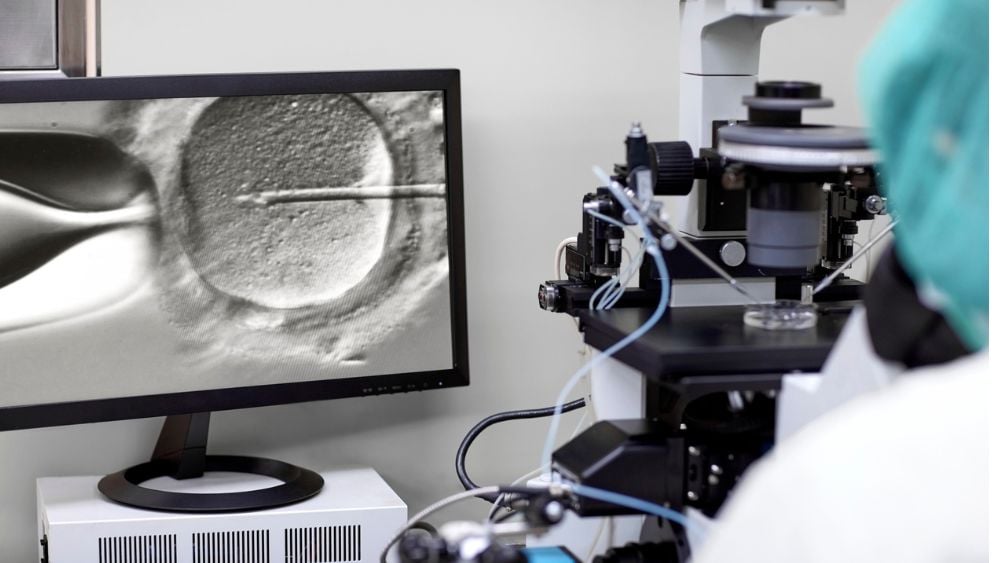
Other fertility preservation options are in their early stages, including cryogenic preservation of ovarian tissue. In this procedure, ovarian tissue containing eggs is carefully removed during surgery and frozen. While not offered through Rochester Regional Health, this is a rapidly expanding procedure in the field of fertility preservation.
Even if a woman does not want to freeze her eggs or any embryos, there are methods to put her ovaries in a temporary menopausal state. This is often done through the use of Lupron Depot given during or with chemotherapy with the intent of keeping a woman’s ovaries from being injured by chemotherapy. Beyond fertility, keeping a woman’s ovaries healthy are integral for her heart and brain in the long term.
All premenopausal women are offered a referral to fertility preservation, according to Rochester Regional Health physicians. The sooner they are offered the choice, the better.
While Rochester Regional Health does not offer egg or embryo freezing and retrieval services, we partner with BostonIVF in Rochester and can connect patients with the services that are right for them.

Related Articles