Key Takeaways
- If you have a physical deformity or can’t put weight on an injured body part, you should see a provider.
- Weaker bones, blood thinners, and loss of strength all put older adults at higher risk of serious injury after a fall.
- Changing your environment, bone density checks, strength training, and a diet rich in calcium and vitamin D can help prevent serious injury from falls.
Our Orthopedic Urgent Care centers in Victor and Henrietta offer same-day treatment for unexpected injuries involving bones, joints, and muscles. With convenient walk-in hours available during the day, evenings, and Saturdays, we’re here when you need us most.
Falls are, unfortunately, a common source of injury for people, especially older adults. More than 25 percent of older adults (age 65 or older) experiences a fall each year, according to the CDC.
However, fewer than half of people fall end up telling their primary care provider about it. So when should you see a healthcare provider after a fall?
Christopher Brown, MD, is an orthopedic surgeon with Rochester Regional Health and explains what signs should warrant a trip to an orthopedic urgent care, why older adults face serious health risks after a fall, and what you can do to avoid future falls.
Things that warrant a medical follow-up after a fall
After falling, you might be tempted to brush it off as no big deal, or not want to draw attention to any potential injury for a number of reasons.
However, if any of the following things happen after a fall, you should visit an orthopedic urgent care or emergency room as soon as possible:
- Visible limb deformity
- Unable to bear weight on an injured body part
- Hitting your head and losing consciousness
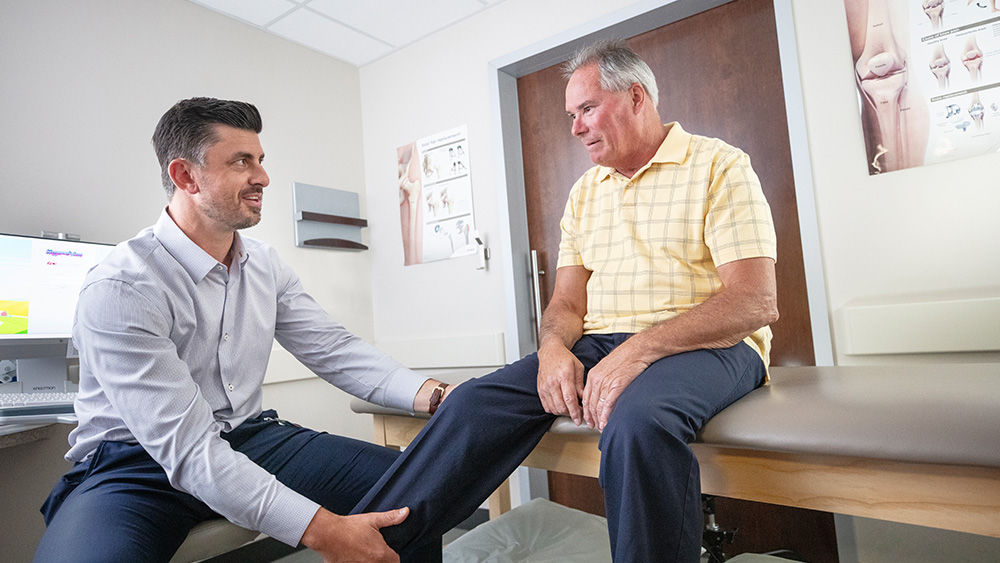
“If you fall and are unable to bear weight on that leg or see an notable limb deformity with swelling or bruising, call 911 for assistance so they can bring you to the emergency department,” Dr. Brown said.
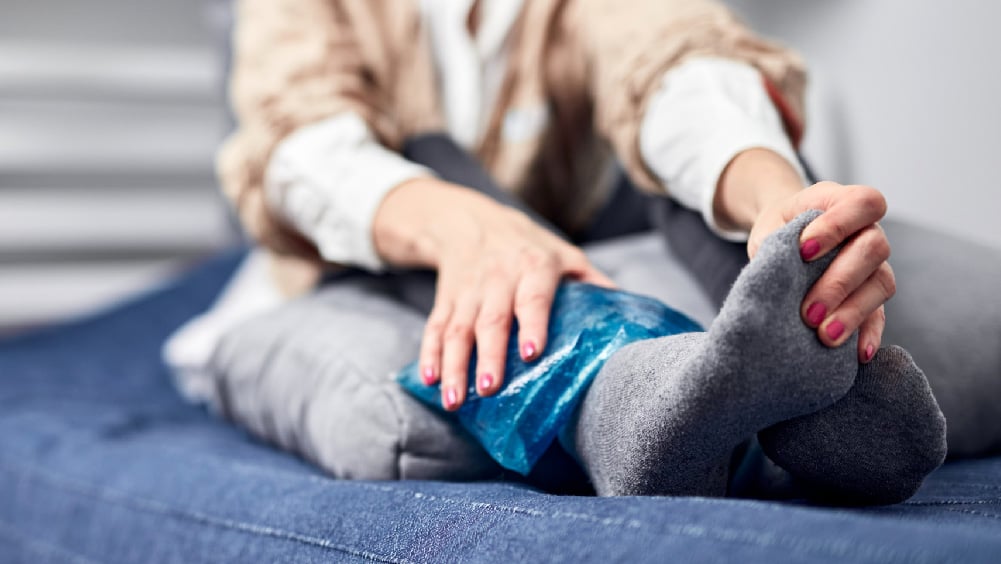
Other less severe injuries without obvious limb deformity can be evaluated at an orthopedic urgent care, including continued joint soreness and swelling, or pain that lingers after 3 days.
Why falls are especially bad for older adults
More than 3 million emergency department visits each year are linked to falls, according to the CDC. And while there are certainly children and adults who have injuries from those falls, there are several reasons why older adults face a higher risk when it comes to falls.
Weaker bones
The older we get, the more fragile our bones become. This happens for several reasons, including losing bone density and mass due to mineral loss, shrinking muscle fibers, stiffer joints, and loss of cartilage. More fragile bones mean a higher risk of fractures, which take longer to heal at an older age.
Blood thinners
Many older adults take blood thinner medications to help lower cholesterol, prevent high blood pressure, and reduce the risk of stroke. As a result, small cuts or injuries tend to bleed for longer due to a lack of clotting. This could prove to be a serious concern if a patient suffers a laceration in a fall.
Losing strength
Starting in our 30s, we lose about 3-5 percent of our muscle mass – leading to more weakness and reduced mobility. That loss accelerates starting when we enter our 50s and 60s. Older adults may have a harder time getting back up after they fall, which increases the risk of serious injury and even death.
If a fracture requires surgery, Rochester Regional Health’s Geriatric Surgery Verification program seamlessly brings medical and orthopedic specialists together to ensure older adult patients receive the specialized attention and treatment they need. This includes minimizing narcotic use, reducing confusion, improving nutrition, and improving mobilization to help each patient heal to the fullest extent that they can.
Taking steps to prevent falls
Especially with older patients, taking the right precautions is important in fall prevention. Some of these steps include:
- Bone density scans
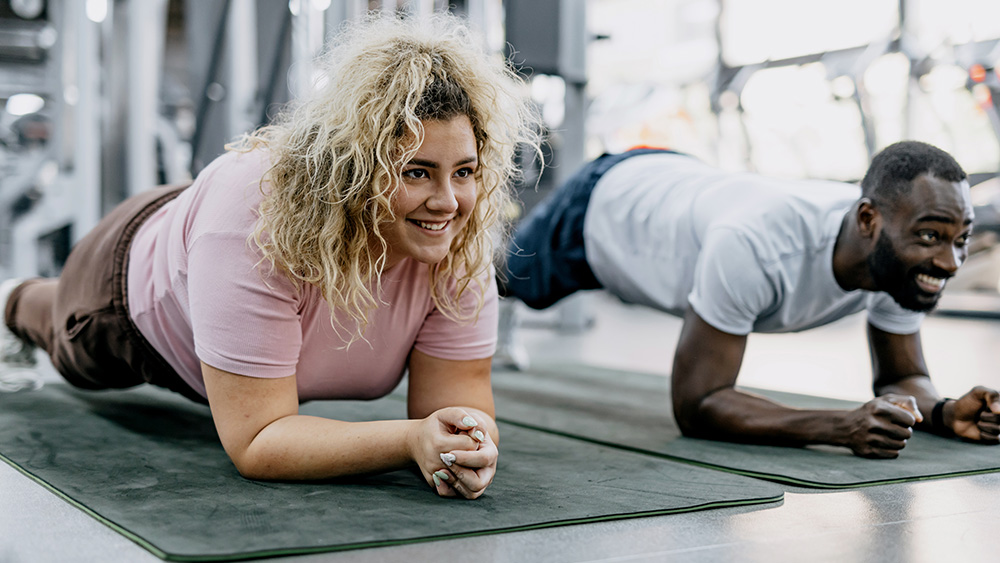
- Strength training
- Eating foods with calcium and vitamin D
- Change your environment
“Fall prevention is just as important as treating the falls when they happen,” Dr. Brown said.
Explore Care For Patients Like You

Related Articles