Key Takeaways
- Most kids and adults should get their flu shot in September or October.
- After the end of October, the next best time to get your flu shot is as soon as you are able.
- Some people have muscle aches or get tired after their flu shot. If that lasts more than 48 hours and other symptoms develop, it’s from another virus – not the flu shot.
Whether you want virtual urgent care on demand, an urgent care location, or a primary care provider, we are here for you. Easily schedule appointments or find walk-in care when and where needed.
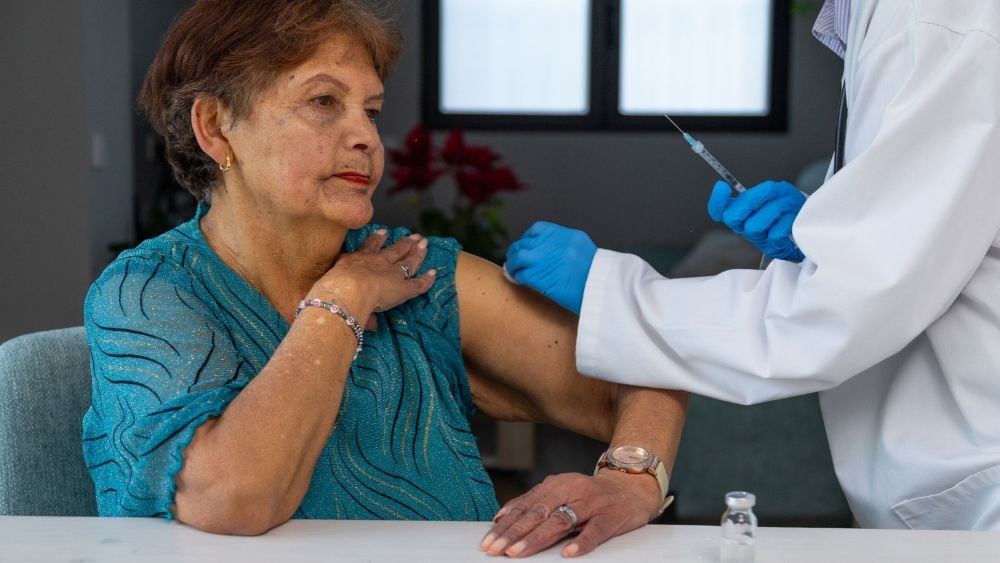
Flu shots are offered for anyone over the age of six months. While the vaccine does not prevent every person from getting sick from the flu, it does prevent millions of people from getting sick and makes it less likely that getting the flu will send them to the hospital or lead to death.
Every fall, pharmacies and primary care offices across the Rochester, Finger Lakes, and St. Lawrence regions offer flu shots to anyone who is eligible and willing to get them.
One big question is worth asking each year: when is the best time to get a flu shot?
When is the best time to get a flu shot?
The best time to get a flu shot is during September or October, according to medical experts. Getting it any earlier means it won’t be as effective during peak flu season.
The influenza vaccine provides strong protection against the flu for about three months. When flu season starts to ramp up in mid-December to late February, the vaccine reduces the risk of severe symptoms by 40-60 percent.
If November rolls around and you have not been able to get your flu shot, the best time to get your flu shot is now. As long as flu cases continue to rise and flu is prevalent, the flu vaccine is the best defense for children and adults.
“The earlier you get it, the more protected you are when we get to the flu season,” said Parker Remelt, PA-C, lead APP with Rochester Regional Health Urgent Care. “So we do encourage it as early as possible.”
What the flu shot does
Every year, a group of infectious disease researchers from around the world comes together and looks at the strains of the influenza virus that are starting to develop in other parts of the world. Based on that information, they identify the most common influenza viruses and create a flu vaccine that best protects everyone against those viruses.
In the U.S., the flu shot protects people against three influenza viruses for the 2026-2027 flu season: two types of influenza A virus (H1N1, H3N2) and one type of influenza B/Victoria virus, according to the CDC.
Once you get your flu shot, your body starts to develop antibodies that learn how to fight against the flu virus without actually getting sick. These antibodies develop over the course of about two weeks.
Who should get their flu shot earlier?
Most people should get their flu shot in September or October. There are other groups, however, who may need it earlier. These include:
- younger children (ages 6 mos. to 8 years)
- pregnant people in their 3rd trimester
- people who are unable to be vaccinated in September or October
Children who are getting their first flu shot usually need two smaller doses spaced out by four weeks to help their bodies adjust. Getting that first dose a little earlier helps to ensure any child getting their flu shot will be protected against the flu by the time flu season starts to pick up.
Why did I get sick after getting my flu shot?
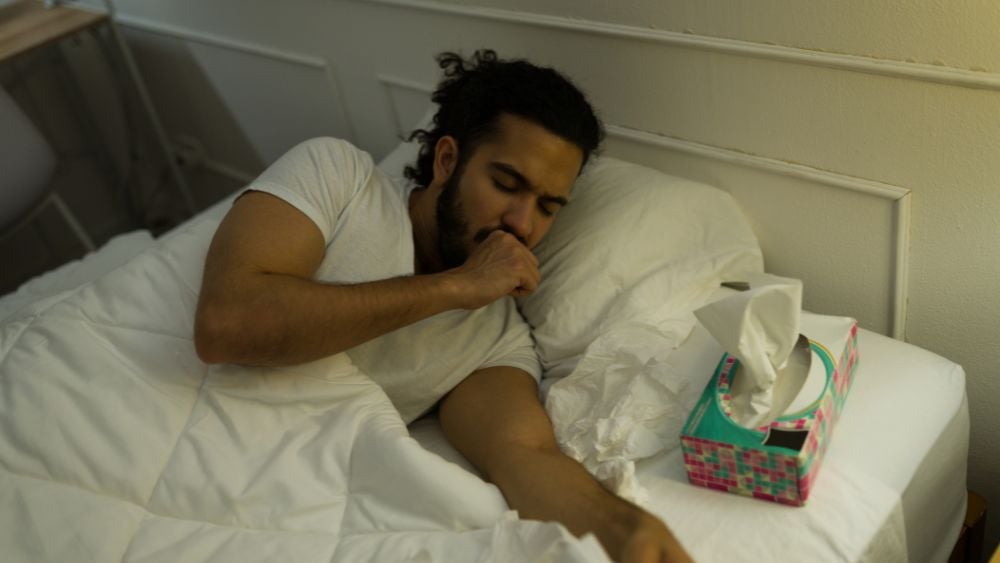
Sometimes people who get their flu shot get sick within a few days, which is common. This is usually for two reasons: other fall and winter viruses being in the air, or side effects from the flu shot.
Some people may have side effects like body or muscle aches and fatigue for about 24 to 48 hours.
If your symptoms last longer than 24-48 hours, it’s more likely that you have contracted some sort of viral illness.
“We like to remind people that it often happens that you get the flu shot during cold and flu season,” Remelt said. “So you may be getting sick, but you did not get sick from the shot.”
Where can I get a flu shot?
Flu shots are available at most pharmacies, primary care offices, and urgent care locations. Many places have walk-in availability for flu shots, including Rochester Regional Health urgent care locations.
Get Care Now
Whether you want virtual urgent care on demand, an urgent care location, or a primary care provider, we are here for you. Easily schedule appointments or find walk-in care when and where needed.
Related Articles