Key Takeaways
- Women face risks for heart disease including gestational high blood pressure, preeclampsia, rheumatoid arthritis, and menopause.
- Jaw or shoulder discomfort and nausea coupled with shortness of breath are more common for women with heart disease.
- Small changes like quitting smoking, being more physically active, and eating more plants can lower a woman's risk
As the leading cause of death for women in the United States, heart disease accounts for the deaths of about 1 of every 5 women, according to the Centers for Disease Control & Prevention.
Mallory Balmer-Swain, DO, is a cardiologist at the Sands-Constellation Heart & Vascular Institute with Rochester Regional Health and describes some of the biggest risk factors for women when it comes to heart disease.
Different types of heart disease
When most people hear “heart disease”, they think about people having a heart attack. But heart disease encompasses a number of diseases and conditions, including:
- Coronary artery disease
- Heart failure
- Cardiomyopathy
- Arrhythmia
Women are just as susceptible as men to heart attack due to plaque rupture due to atherosclerosis (plaque buildup). They are also at an elevated risk of a specific type of heart attack: spontaneous coronary artery dissection.
Heart disease risk factors for women
Having certain health conditions can increase a person’s risk for heart disease, for both men and women. Some of those include:
- Obesity
- Inactivity
- Diabetes
- Smoking
- High cholesterol
- High blood pressure
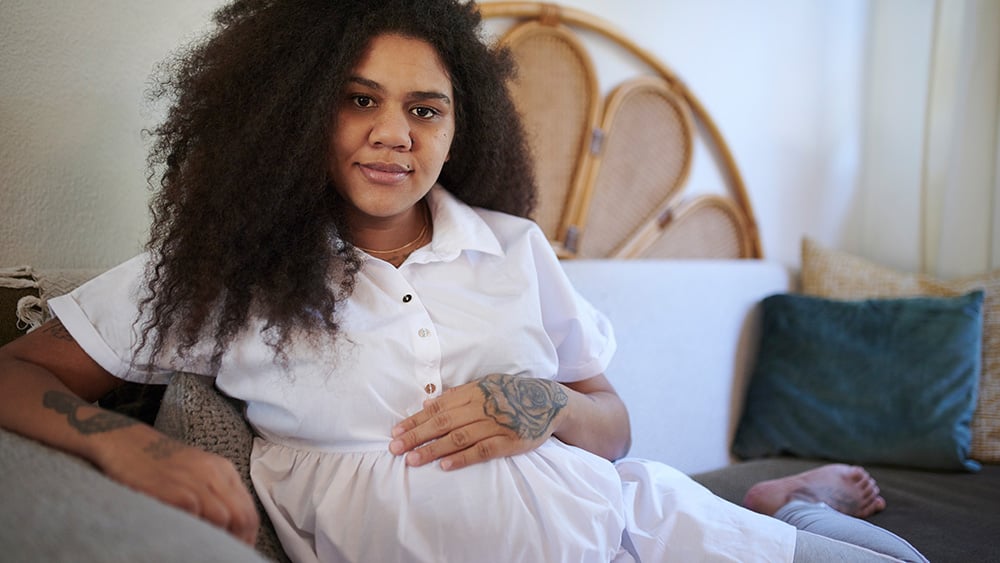
Women have additional risk factors, including some related to pregnancy. Gestational high blood pressure and preeclampsia both elevate a woman’s risk for heart disease. Women are also at a higher risk for heart disease if they have rheumatoid arthritis; men also have this risk, but it is more common in women.
Post-menopausal women are at higher risk because their bodies do not create and release as much estrogen as they once did. Naturally-occurring estrogen seems to lower the risk of heart disease for women; hormone replacement therapy (HRT) treatments do not offset that risk later in life.
Symptoms of heart disease for women
The experience of heart disease symptoms is similar for women and men. Most often, patients will feel chest pressure or discomfort in the center or left of the chest, and have shortness of breath.
For women, there are some less typical symptoms of heart disease or heart attack that happen more often:
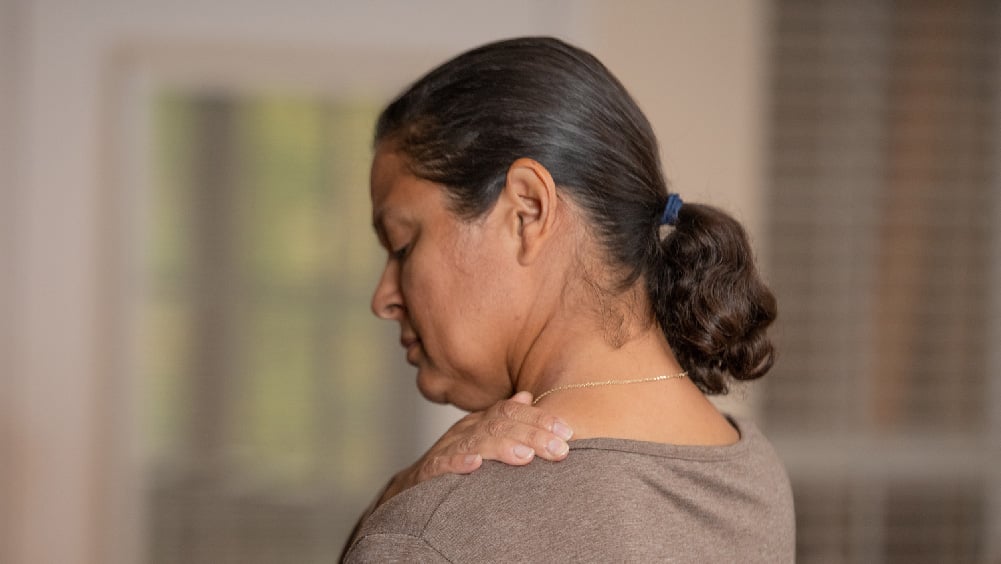
- Jaw or shoulder discomfort
- Nausea coupled with shortness of breath
When it comes to reporting symptoms, Dr. Balmer-Swain says she sees some women delaying care and finding accommodations to get around their symptoms. For example, some patients will hold off on doing work around the house all at once and spread it out over the course of 3-4 days because of chest discomfort or shortness of breath.
Telling a provider about changes in how well your body can tolerate physical activity can be key to recognizing potential heart disease issues.
“It is a bit of a stereotype, but as mothers and partners, women often want to take care of others first and themselves last,” Dr. Balmer-Swain said. “That mindset may be a reason why some women seek medical care later than they should. If you notice a change in your body, don’t wait to get it checked out. Advocate for yourself.”
How women can prevent heart disease
Many of the ways to lower your risk for heart disease and other serious diseases is to make changes to your lifestyle. While all of the changes together may seem daunting, making one small change at a time can make a big difference when they are all added up.
Quit smoking
The decision to stop smoking can be difficult, but it benefits your health in a number of ways. Nicotine causes blood vessels to constrict or narrow, reducing blood flow to the heart and other organs. Smoking also increases inflammation and leads to the buildup of plaque in blood vessels, among other things.
According to the U.S. Department of Health and Human Services, smoking causes 1 in 4 deaths from cardiovascular disease. The sooner someone stops smoking, the better it is for their overall health.
Be physically active
Physical activity is one of the best ways to start moving toward a healthier lifestyle – literally. You don’t need to sign up to run a marathon; start with something small.
Make an effort to walk for 15 minutes each day. If you are able to meet and sustain that goal, increase that time to 20 minutes a day.
Eat more plants
There is an old saying that you get out of life what you put in. This is especially true when it comes to food.
Some straightforward steps toward eating better include:
- Reducing portion sizes
- Replacing carbohydrates with whole grains
- Eating more vegetables
- Drink water instead of soda
- Eating less sodium
“We want to see our patients make lifestyle changes that remain consistent,” Dr. Balmer-Swain said. “We want them to avoid going on a quick diet to lose 10 lbs., ending the diet, and then regaining the weight. Making small lifestyle changes that are sustainable does not happen overnight, but we are here to ensure you can make changes that last.”

Related Articles
.jpg?h=563&iar=0&w=1000)