
Key Takeaways
- Heart care subspecialties treat specific heart conditions, including non-invasive, interventional, electrophysiology, structural heart & valvular, preventive, genetics, cardio-oncology, and heart failure.
- A non-invasive cardiologist is typically the first point of contact for heart patients.
- If you have chest pain, shortness of breath, fluid buildup in your legs, or dizziness, make an appointment with your primary care provider about a referral.
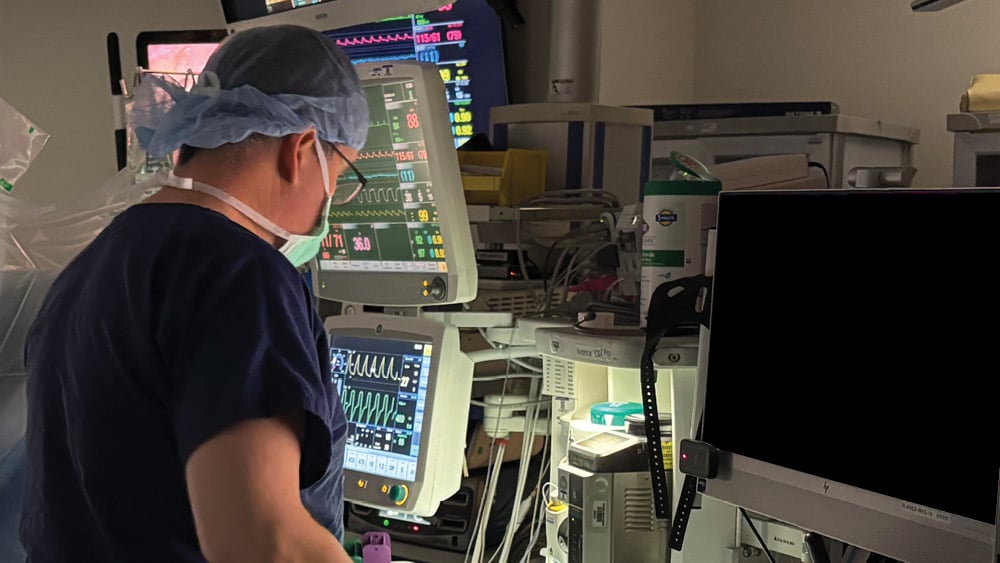
Before seeing a heart specialist, many people wonder which type of cardiologist is right for them. There are many subspecialties of cardiologists who treat specific heart conditions, each offering their expertise to help their patients to the best of their ability.
We offer world-class, patient-centered heart care across the Rochester and St. Lawrence regions to help diagnose, manage, and treat many types of heart conditions.
Our guide explains each subspecialty, what symptoms they treat, and what care they provide so you can make the most informed decision.
Non-invasive cardiologist
Non-invasive cardiologists, or general cardiologists, are the first point of contact that someone has with heart care outside of a primary care provider. These providers will offer the initial level of screening of heart-related conditions and heart health, then direct you to more specialized heart care as it is needed.
Symptoms & conditions treated
If you have any of these symptoms, meeting with a non-invasive cardiologist would be the right next step for you:
- chest pain
- lightheadedness
- loss of consciousness
- shortness of breath
Non-invasive cardiologists can also help if you have symptoms of heart rhythm disorder, heart valve disorder, or other heart conditions.
How they can help you
A non-invasive cardiologist will conduct an initial evaluation based on an exam and any symptoms. Based on their findings, they will order testing, including labs, bloodwork, or imaging to determine what the next steps should be for any specific heart condition.
Interventional cardiologist
Patients who are diagnosed with coronary artery disease, structural heart disease, and peripheral vascular diseases will meet with an interventional cardiologist. These physicians focus on catheter-based treatment of structural heart disease.
Symptoms & conditions treated
Interventional cardiologists will treat patients with:
- coronary artery disease
- structural heart diseases
- peripheral vascular diseases
How they can help you
Interventional cardiologists offer both surgical and non-surgical procedures – both minimally-invasive and non-invasive, with the goal of helping each patient return to living a healthy life. These procedures include:
- angioplasty
- coronary angiogram
- limb-saving efforts
- MitraClip
- renal angioplasty and stents
- rotational atherectomy
- stent placement
- subclavian angioplasty and stents
- Transcatheter Aortic Valve Replacement (TAVR)
Electrophysiologist
As the name of their role suggests, electrophysiologists treat heart rhythm conditions caused by the heart’s electrical system. Arrhythmias can cause a range of symptoms and raise a patient’s risk of stroke or heart attack. Electrophysiologists help to restore a regular rhythm with a range of non-invasive procedures and minimally invasive surgical options.
Symptoms & conditions treated
Patients with heart rhythm disorders may initially come to their primary care provider or cardiologist with:
- chest pain
- dizziness, lightheadedness or fainting
- palpitations
- rapid heartbeat
Electrophysiologists can treat heart rhythm conditions like:
- Atrial fibrillation (AFib)
- Bradycardia (slow heartbeats)
- Cardiac arrest
- Supraventricular tachycardia (SVT)
- Tachycardia (fast heartbeats)
- Ventricular tachycardia (VT)
How they can help you
There are a variety of treatments and therapies that can reduce the symptoms associated with some of these conditions, ranging from medications to non-invasive procedures.
Treatment options include:
- ablations (cryoablation, radio frequency ablation)
- cardioversion
- defibrillators
- electrophysiology studies
- pacemakers
- WATCHMAN device implants
Heart failure cardiologist
Patients living with any stage of heart failure would see a heart failure cardiologist. These physicians offer acute and long-term care through a range of treatments and therapies that are personalized to each patient’s overall health and goals. They offer continuous monitoring of patients’ heart conditions and often collaborate with other specialists to provide relief in other areas of a patient’s heart health.
Symptoms & conditions treated
Heart failure patients may experience frequent shortness of breath and fatigue, edema (fluid buildup in extremities), and changes in speed of heart rate.
A heart failure cardiologist offers treatment for:
- Heart failure
- Heart Failure with Preserved Ejection Fraction (HFpEF)
- Pulmonary hypertension
- Amyloidosis
- Sarcoid
- Hypertrophic cardiomyopathy (HCM)
How they can help you
Heart failure cardiologists offer lifestyle changes, medication and medical therapy management, mechanical support, non-invasive and minimally invasive procedures, and collaboration with other cardiac specialties to give heart failure patients the best quality of life possible.
Structural heart & valve cardiologist
Structural heart and valvular cardiologists focus on conditions and disorders linked to the heart's shape, valves, walls, or muscles. These problems can be congenital (from birth), or may have developed due to illness, age, or infection. Using advanced testing and imaging, a structural heart and valve cardiologist works with each patient to identify the cause of the disorder and align treatments with the patient’s overall goals and health.
Symptoms & conditions treated
Patient with structural heart or valvular disorders may be treated for:
- Heart valve disease
- Aortic stenosis
- Mitral valve regurgitation (MR)
- Tricuspid valve regurgitation (TR)
- Heart role closure
- Atrial fibrillation (AFib)
- Hypertrophic cardiomyopathy (HCM)
How they can help you
A structural heart and valvular cardiologist will work together with you and your heart care team, which may include your primary care physician, your friends and family, and other cardiac specialists as they are needed. Minimally invasive procedures and surgery will be suggested as needed, depending on the patient’s diagnosis and acute health needs.
Preventive cardiologist
A preventive cardiologist works closely with heart patients who are at risk of developing heart conditions, as well as people who already have heart disease. After conducting a thorough evaluation of each patient through labs, physical exam, family history, and imaging, a preventive cardiologist will work with the patient to create a plan to reduce their risk of developing heart disease or other heart conditions.
Symptoms & conditions treated
Genetics and lifestyle both play strong roles in a patient’s heart health. Preventive cardiologists may be right for patients who have:
- family history of heart attack, stroke or sudden health before age 55
- personal history of heart disease or rheumatic disorders
- premature menopause
- complicated pregnancy
- high blood pressure and/or cholesterol
- diabetes
- obesity
- current or former smoker
How they can help you
Preventive cardiologists will assess each patient's unique history and risk factors, then create a personalized treatment plan to help each one achieve their health goals.
These treatment plans include:
- cardiovascular risk assessment
- cholesterol and blood pressure management
- medication management
- nutrition counseling
- weight management
Cardio-oncologist
Cardio-oncology cardiologists specialize in treating patients who have a cancer diagnosis. For some patients, chemotherapy treatments may be toxic to their heart. A cardiologist who specializes in oncology can help these patients protect their heart during treatment and manage potential risks afterward to help them heal fully.
Symptoms & conditions treated
Cardio-oncology cardiologists may affect patients who have had no prior cardiac risks before their cancer diagnosis, as well as patients with health issues unrelated to cancer. If patients have chest pain, dizziness or lightheadedness, shortness of breath, or swelling in their face and hands, they should tell their oncology team.
Patients may face an increased risk of heart disease or cardiac complications if they have:
- Family or personal history of heart disease
- Diabetes
- Obesity
- High blood pressure and/or cholesterol
- Smoking history
How they can help you
After meeting with the patient’s cancer care team, a cardio-oncologist will work with the patient and their care team to closely monitor their symptoms and screen for potential signs of change.
Prioritizing regular exercise, weight management, healthy nutrition, and reducing stress can all help to lessen the risk of heart health complications.
Cardiac genetics specialist
Cardiac genetics cardiologists will evaluate and treat patients who may have an increased genetic risk of certain heart conditions or have a family member who has a genetic heart condition. Patients can self-refer or be referred by other cardiologists or primary care providers.
Symptoms & conditions treated
Cardiac genetics screening evaluates patients for:
- Cardiomyopathies (heart failure)
- Aortopathies (aortic disease)
- Arrhythmias
- Familial hypercholesterolemia (genetic high cholesterol)
How they can help you
A cardiovascular genetic specialist will offer screening & tests, along with genetic counseling to analyze your DNA for changes that may put you at a higher risk for developing certain heart conditions.
Patients typically undergo lab tests and imaging studies, followed by a blood draw, cheek swab or saliva sample. Providers follow up with an in-person visit to review the results of the testing about 4-6 weeks later and, based on the results, offer heart health management options.
When to visit a cardiologist
If you have one or more of these symptoms, you should visit your primary care provider and ask about a referral to a cardiologist.
- Chest pain
- Shortness of breath
- Swelling in legs due to excess fluid
- Racing heart rate
- Dizziness or lightheadedness
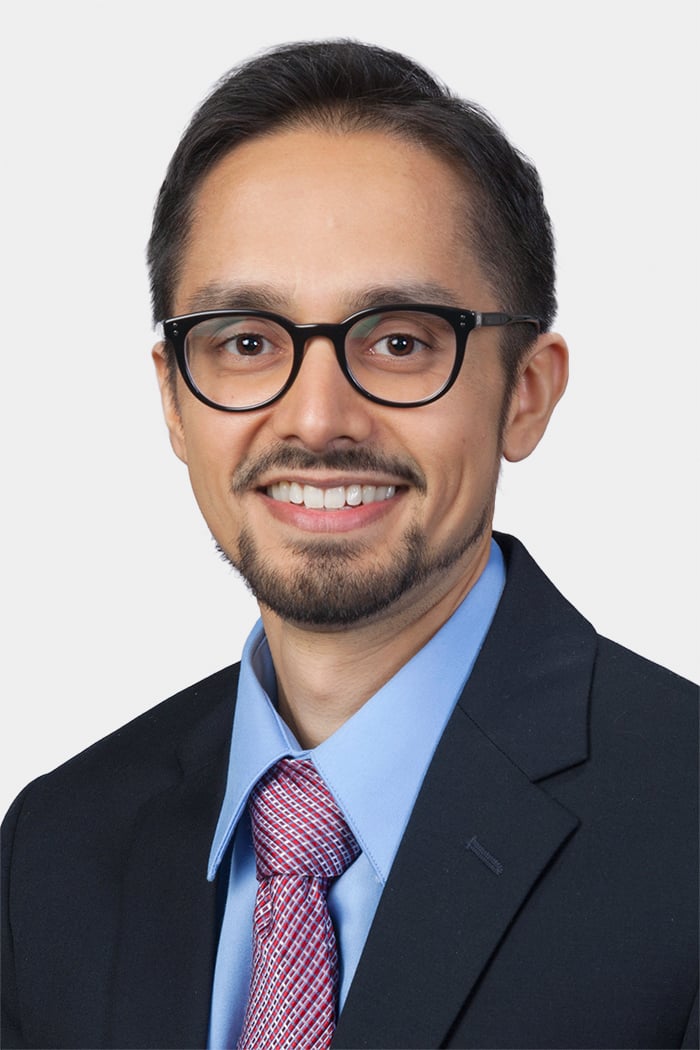
“We have a comprehensive approach at the Sands-Constellation Heart & Vascular Institute,” said Gaurav Sharma, MD, a non-invasive cardiologist at Rochester Regional Health’s Sands-Constellation Heart & Vascular Institute. “We have experts in so many individual fields and conditions ranging from common to very rare. If you need a minimally invasive procedure or heart surgery, we offer so many of them here with high levels of experience and expert care.”
Related Articles



.jpg?h=563&iar=0&w=1000)