Key Takeaways
- Changes in hormone levels decrease sex drive and cause vaginal tissue to become drier and less elastic.
- Making changes to your routine and using prescription or over-the-counter creams as needed can help your sex drive.
- Keeping an open mind makes it possible to have a great sex life for the rest of your life.
Menopause brings many changes into a woman’s life, some that are temporary and some that last.
Through the months or years that a woman goes through perimenopause, the time during which the body is transitioning to menopause, those changes include shifts in libido or sex drive.
Maureen Slattery, MD, MSCP, CSC, is an OB/GYN provider at Clinton Crossings in Brighton and certified by the American Association of Sexuality Educators, Counselors and Therapists (AASECT) and a certified menopause practitioner through the Menopause Society. She explains some of the links between menopause and sex drive, and how different therapies and treatments can help.
For many women, it's a little bit of a perfect storm between the physiological changes and the result of being in a long-term monogamous relationship.Maureen SlatteryMD, MSCP, CSC
Why does libido change during and after menopause?
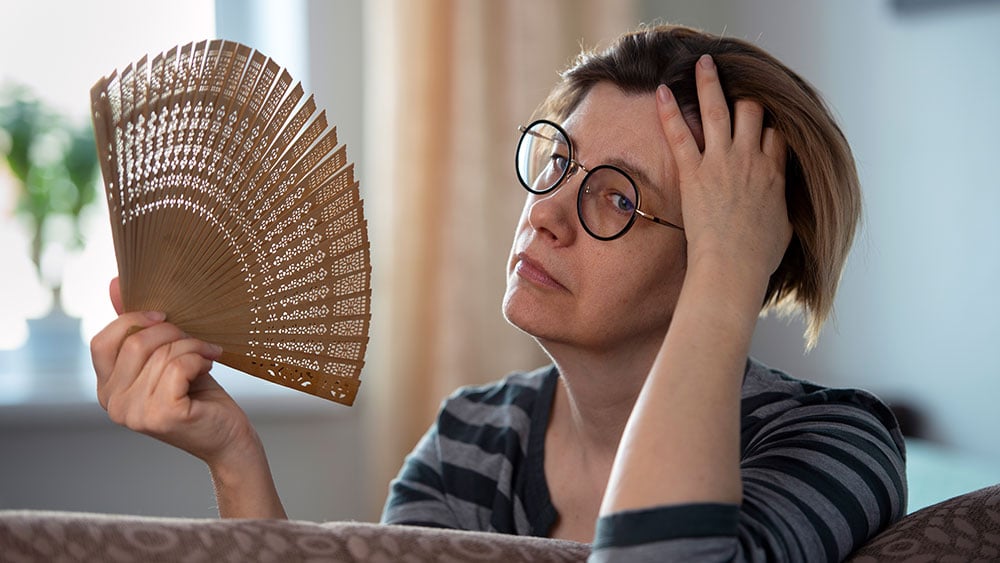
The onset of menopause is linked to many changes in the body and mind, including but not limited to hot flashes, night sweats, brain fog, joint pain, mood changes, and libido changes.
For libido changes, the main cause that researchers know of is linked to the drop in hormones produced by the ovaries. This includes estrogen, but also progesterone and testosterone. Studies show a link between women with low testosterone and low libido.
In addition to decreased levels of testosterone, the drop in estrogen affects the tissue around and inside the vagina, causing it to be drier and less elastic. As a result, sexual activity can lead to soreness and pain, which (understandably) would reduce interest in sex.
Beyond the physiological changes, there is also a relational part of sex drive in menopause that can become complicated over time.
“Many women who transition through menopause have been in long-term relationships that have bridged decades,” Dr. Slattery said. “There is a comfort level that goes on when you've been not only having sexual relations with someone for 20+ years, but also living with them, raising children, and running a household – and that can become unsexy very fast.”
Boosting sex drive during or after menopause
When it comes to sex drive, there are a lot of things that have to come together for both arousal and desire to be present.
Being well rested by getting good quality sleep can help, but changing your mindset about sex is also important as women start to go through menopause. Instead of thinking about sex as sudden and spontaneous, Dr. Slattery encourages thinking about sex that stems from the nurtured intimacy and pleasure that comes from being with that partner.
“We don't necessarily always need some kind of desire out of the blue,” Dr. Slattery said. “That will come when you start engaging with that person with the idea of pleasure in mind. Change that focus, and the arousal and desire will follow.”
Making small changes to the usual routine of sexual activity can stimulate that desire. Instead of engaging with a partner right before going to bed, try a different time. Using your senses differently can make a difference too; Dr. Slattery suggests using a different room of the house or having one person wear a blindfold to engage other senses.
“I would argue that your brain is actually your most important sex organ,” Dr. Slattery said. “Changing things up so that they're novel and you can have some excitement or anticipation or pleasure is very important.”
There are also medications available for women as needed. Testosterone and topical vaginal estrogen creams are available as prescriptions for women. These can take a few weeks to start working.
Treating genital urinary syndrome of menopause, which causes lack of moisture, structural changes, and dryness, is also important. If there is pain with sex, there will not be any interest in sex.
Beyond being able to have sex with a partner, if women have difficulty reaching orgasm or approaching an orgasm, there are topical over-the-counter creams that can be used to help improve that experience, as well.
Being emotionally open about sex during menopause
Even with these new treatments and strategies, Dr. Slattery encourages women to pay attention to the context they find themselves in. If someone finds themselves struggling to take care of their aging parents or have other difficult life situations, that can be a significant factor affecting libido.
As women are going through menopause, their physical appearance is also changing and that can be a driver of low self-esteem or poor body image, which can also lower sex drive.
Talking with your partner about having physical or emotional challenges can help, as well. Most male partners may not understand the changes that go along with menopause and don’t know what to expect with that transition. Being open about that process and seeking help together as needed can go a long way.
“If you are open to and willing to change how you think about sex, you can have a great sex life for the rest of your life,” Dr. Slattery said.

Related Articles
.jpg?h=563&iar=0&w=1000)