
Key Takeaways
- Your pelvic floor takes on as much as 4 times your body weight when you run and hit the ground with each step.
- Lengthening and strengthening your pelvic floor can be done with specific stretches & exercises given by a pelvic physical therapist.
- If you have any pelvic pain, urinary incontinence, constipation, or similar concerns, ask for a referral to a pelvic physical therapist.
Our team of expert providers and specialists are ready to help you with your pelvic health needs. With centralized and coordinated care, we provide the best pelvic health care in the Greater Rochester, Finger Lakes, and St. Lawrence regions.
Your pelvic floor plays a significant role in supporting your lower body while you run. The muscles and ligaments that make up your pelvic floor are key to lumbar and pelvic stability.
When you run, your pelvic floor takes on 2-4 times your body weight each time you make contact with the ground and push off. Without a healthy pelvic floor, that repetitive load can cause issues with your lower back, pelvis, and hips.
Faye Howell, PT, DPT, is a physical therapist who specializes in pelvic health at Irondequoit and Linden Oaks clinics. She explains the importance of a healthy pelvic floor, stretches and exercises that help lengthen and strengthen pelvic floor muscles, and when it might be time to see a pelvic physical therapist.
How your pelvic floor helps you run
Focusing on a healthy pelvic floor can be summed up in one phrase: proximal stability provides optimal distal mobility. This means that without a strong core, the strength in your arms and legs can only carry you so far.
When you think about your core, most of us think of the abdominal muscles when in reality, it’s comprised of several different muscles:
- abdominal muscles
- diaphragm
- lumbar paraspinals
- pelvic floor muscles
Those pelvic floor muscles support at the base of the pelvis. Think of these muscles as a hammock; they hold everything up and in.
Proximal areas of the body are closer to your core, while distal areas are further away – think arms, legs, etc. This means that without a strong core, the strength in your arms and legs can only carry you so far.
“If you are just focusing on your arms and legs for strength training, but you have a weak core and pelvic floor, you will not have optimal endurance or perform as well – which can lead to faulty body mechanics and injury,” Howell said.
Common pelvic health issues
For runners and non-runners alike, a weak and stretched out pelvic floor can lead to several common health concerns. These may include:
- Pelvic organ prolapse
- Prostate bulging
- Stress urinary incontinence
- Urge urinary incontinence
- Constipation
- Pelvic pain
A helpful analogy Howell uses encourages patients to think about a boat tied to a dock. The water is your pelvic floor, the boat is your organs, and the ropes holding the boat to the dock are your ligaments.
“As you constantly run, the water level (pelvic floor) gets lower, so the boat (your organs) becomes heavier, which stretches those ropes (ligaments) and potentially causes strains and tearing,” Howell said.
Stretches and exercises for your pelvic floor
The main focus of any stretches or exercises should be to lengthen and strengthen your pelvic floor. As those muscles and ligaments are able to contract and relax, they gain strength and mobility.
Examples of pelvic floor stretches include:
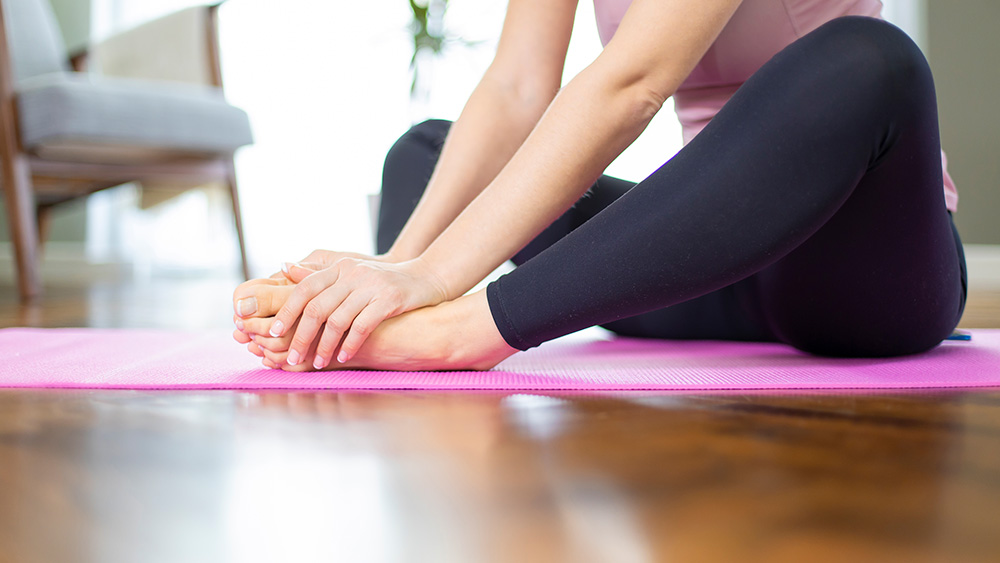
- Child’s pose in yoga
- Hip opener stretches
- Kegel exercise
Up to 80 percent of people do not know how to perform a proper Kegel. That’s where a pelvic floor physical therapist comes into play.
Strengthening your glutes and core will give more support to your lumbar spine, pelvis and pelvic floor, allowing you to run more efficiently and build speed and endurance while avoiding injury.
Exercises that help to strengthen your core and glutes include:
- Glute bridges
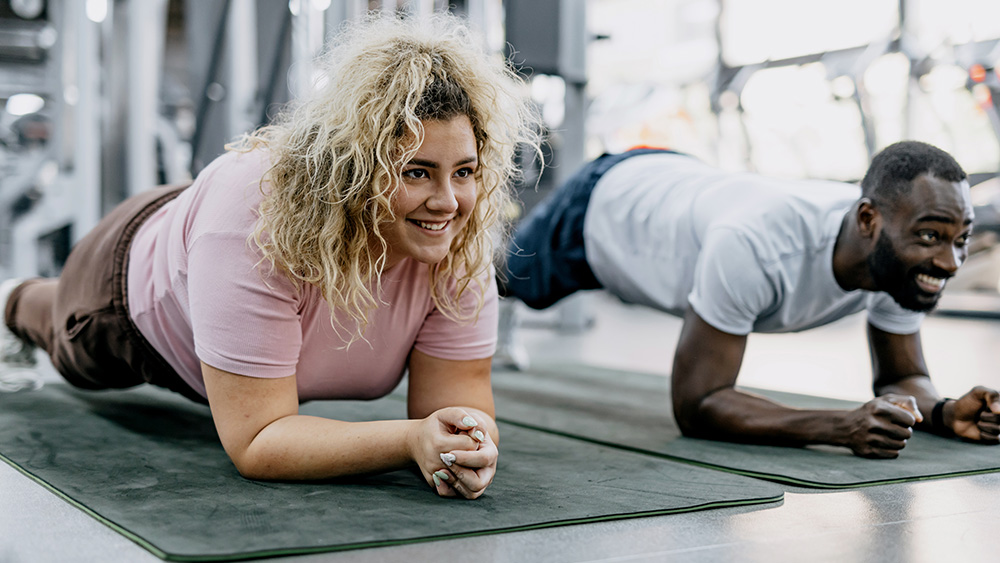
- Planks
- Fire hydrants
- Reverse lunges
Being able to breathe correctly using your diaphragm also provides better support for your pelvic floor. Holding your breath increases the pressure on your pelvic floor, putting more downward force on your pelvis. As you master proper breathing, running becomes easier.
“We teach patients how to activate the entire pelvic floor and how to breathe correctly,” Howell said. “Learning how to breathe correctly will transfer to being able to breathe correctly while you run, all of which will prevent future pelvic floor injuries.”
When to seek a pelvic physical therapist
Consider seeing a pelvic physical therapist if you are experiencing any of the following:
- any urinary incontinence with coughing, sneezing, running, or lifting
- underwear is saturated after a run
- any pelvic pressure during a run
- pain in tailbone, pelvis, hip, or lower back
Meeting with a pelvic floor physical therapist will help to determine the reasons behind the pain or any symptoms. After discussing your medical history and undergoing a physical exam, pelvic physical therapists will work with you to determine the appropriate next steps.
“Often we will give you exercises to reduce any symptoms,” Howell said. “We work to lengthen and strengthen the pelvic floor, abdominals, core, and glutes – making sure that the floor and all the muscles that assist them are working together and efficiently.”
Related Articles