
Key Takeaways
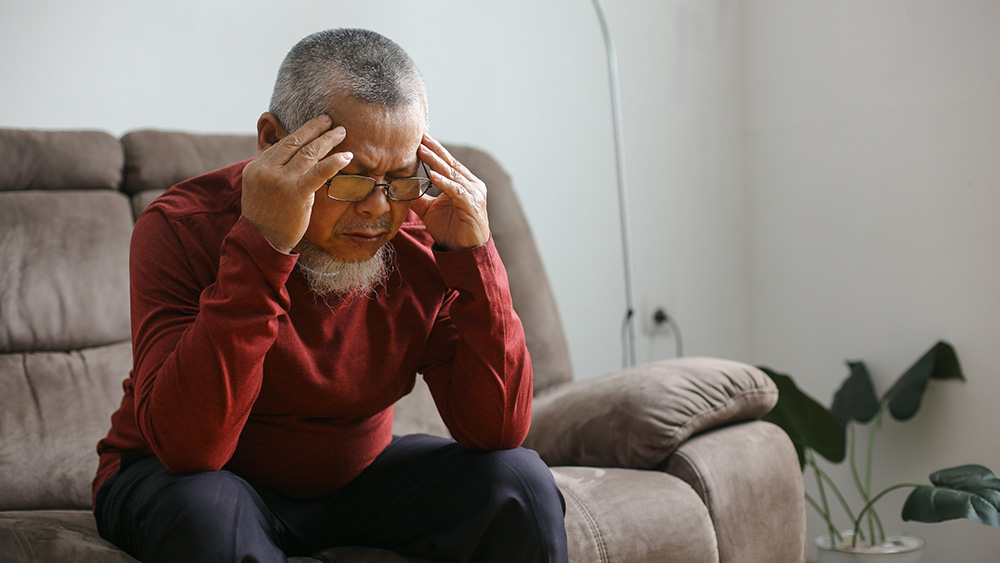
- Migraines are at type of headache which is often severe or debilitating, and is often associated with light or sound sensitivity and/or nausea.
- There are many triggers for migraines, including barometric pressure, bright lights, poor sleep, menstrual period, stress and more.
- There are treatments that provide relief for even the most severe migraine patients, ranging from lifestyle changes to daily prescription medication
If migraines are impacting your quality of life, you’re not alone—and effective relief is within reach. With specialized skills, customized services, and personalized care, our expert neurology specialists are here to help you find lasting relief and reclaim your life.
For the 39 million people living in the U.S. who experience migraines, having a migraine come on can wipe out anything that is planned for a day or even multiple days.
While there are many types of migraines with varying symptoms, there are plenty of treatment options that can reduce pain, light sensitivity, and other migraine-related symptoms.
Carolyn Zyloney, MD, is a neurologist who works at our Neuroscience Institute – Greece Ridgeway. She explains the reasons behind migraines, how they are diagnosed and treated, and methods of prevention for patients with migraines.
Diagnosing migraine headaches
People who think they may have a migraine will typically talk with their primary care provider first. Primary care providers are able to offer a lot of first-line interventions, helping patients who have migraines that are less frequent or less severe.
“Primary care providers can initially diagnose migraines, do basic screenings, and offer some rescue or preventative medications,” Dr. Zyloney said. “It is a good first step to start with your primary care provider and then move ahead if the migraines persist.”
After being referred to a neurologist, patients will undergo a brief physical exam, discuss their personal and family medical history, and answer a series of in-depth questions about the migraine. Questions may include:
- Do your headaches occur on one side or both sides of the head?
- Is there a throbbing sensation?
- Do you experience sensitivity to light or sound?
- Are there other physical or mental symptoms associated with your migraine?
- How often do your headache attacks occur?
“Most of the time, we are able to formulate a likely diagnosis by the end of that first appointment,” Dr. Zyloney said.
In some cases, additional tests such as MRI, CAT scans, or bloodwork may be needed.
Types of migraines
Migraines are defined as a recurrent headache disorder. Attacks typically last at least four hours without treatment or with unsuccessful treatment. Sometimes they can last for days or even weeks.
There are several variations of migraine headaches with symptoms that overlap.
Migraine without aura is a moderate or severe headache which is often unilateral and described as pulsating in quality. They have associated light or sound sensitivity and/or nausea or vomiting.
Migraine with aura occurs with vision changes, such as seeing spots, kaleidoscopes, or prisms. For some people, tingling or a ‘pins and needles’ sensation, or an affected ability to speak may also happen.
Vestibular migraines bring on prominent dizziness, giving a sense of vertigo and imbalance. Some patients may also experience brain fog and fatigue.
Other less common migraine types include:
- Chronic migraine
- Menstrual migraine
- Abdominal migraine (usually in children)
- Hemiplegic migraine
Common triggers for migraines
There are many possible triggers for migraines, ranging from environmental to lifestyle and genetics. Some of these include but are not limited to:
- Barometric pressure changes
- Bright or flashing lights
- Foods
- Hormonal changes
- Menstrual period
- Motion sickness
- Poor sleep
- Stress
- Sudden noise changes
Treatments and therapies for migraines
There is currently no cure for migraines. However, neurologists create a holistic approach to treat each patient’s migraines and reduce the severity of their symptoms so they can live their lives as best as possible.
“We work on identifying and modifying migraine triggers, making lifestyle changes, recommending vitamins or supplements, and/or prescription medications,” Dr. Zyloney said.
Drinking plenty of water and getting better quality sleep (not just more sleep) can reduce the likelihood of experiencing frequent migraines. Eating fewer processed foods, drinking fewer caffeinated drinks, and getting regular exercise are also proven to help reduce headaches and migraines.
Over-the-counter medications like ibuprofen can reduce inflammation and pain, and antiemetics can reduce nausea and vomiting symptoms for some patients.
Supplements such as magnesium are often recommended to help prevent migraines.
Preventative medications are typically prescribed for people who experience migraines at least once a week on average for 3 months or longer. Patients with menstrual migraines may be prescribed a rescue medication where they start their medication when their period starts.
Depending on a patient’s unique situation, a neurologist may prescribe medications such as:
- Topiramate
- Amitriptyline
- Propranolol
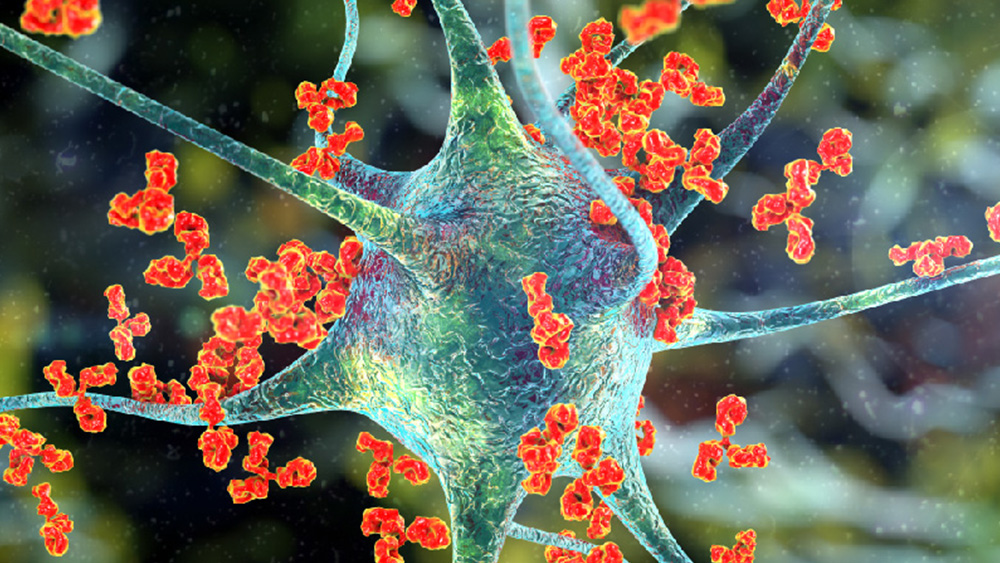
- CGRP monoclonal antibodies (e.g., Aimovig)
- Oral “gepant” medications (e.g., Qulipta, Nurtec)
- Sumatriptan or other triptans
- Prescription non-steroidal anti-inflammatory medications
- Anti-emetics (e.g., Zofran)
“If people have an effective rescue medication that they can take at the onset of their migraine, sometimes they can get the migraine to resolve within 30 to 60 minutes,” Dr. Zyloney said.
Alternative therapies such as acupuncture, Botox injection, and physical therapy are also shown to help reduce the frequency and severity for some migraine patients.
“Most people can get some relief from treatment,” Dr. Zyloney said. “That relief can range from significant relief to more minor relief, but usually there's at least some benefit even for the people who have the more severe migraines.”

Related Articles