Key Takeaways
- Older adults have a harder time tolerating high temperatures, often due to chronic medical conditions and prescription medications.
- If you feel cramping, nausea, dizziness, excessive sweating, or have a rash, contact a healthcare professional.
- Stay hydrated, wear light loose clothes, or visit a place with air conditioning to stay cooler during extreme heat.
Extreme heat during the summer months can be challenging to deal with, especially for infants and the elderly. When the heat index climbs above 100°, the body has to work harder to regulate itself.
Older adults don’t adjust to drastic changes in temperature as well as younger adults and may also have health conditions that are affected by the heat.
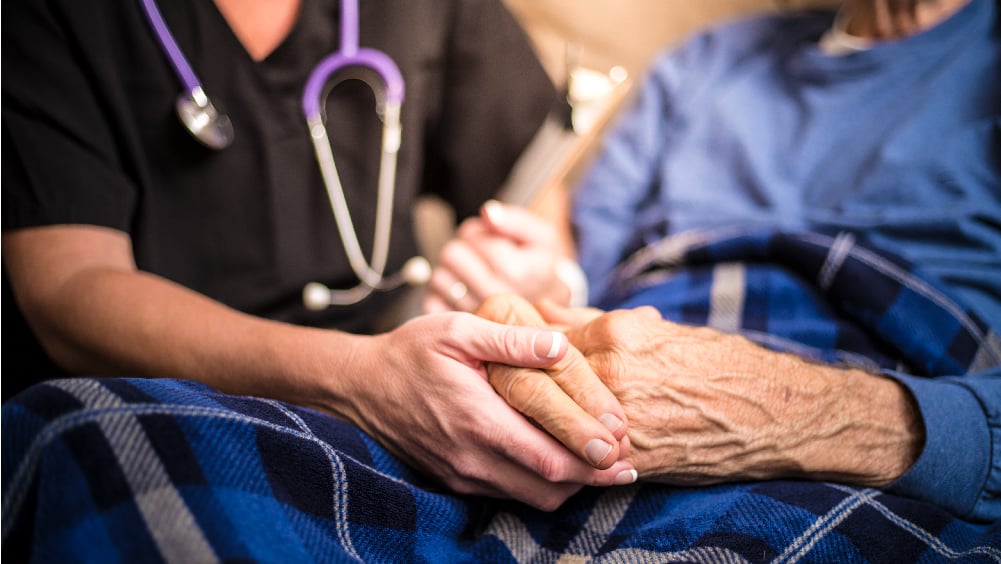
Scott Schabel, MD, serves as interim Medical Director at ElderONE - an innovative alternative to long-term nursing home placement. Dr. Schabel explains the specific risks that older adults face, how to recognize heat exhaustion, and offers ways to stay cool during hot days.
Health conditions made more challenging by heat
Older adults are more challenged by extreme heat for several reasons.
Temperature tolerance: The older our bodies get, the less well they regulate temperature in general. As your body ages, blood circulation slows, sweat production drops, and skin becomes weaker and less moist.
Chronic medical conditions: Older adults generally have more chronic health conditions, which often affect how the body responds to temperatures. This may include high blood pressure, heart disease, poor blood circulation, obesity, and mental illness.
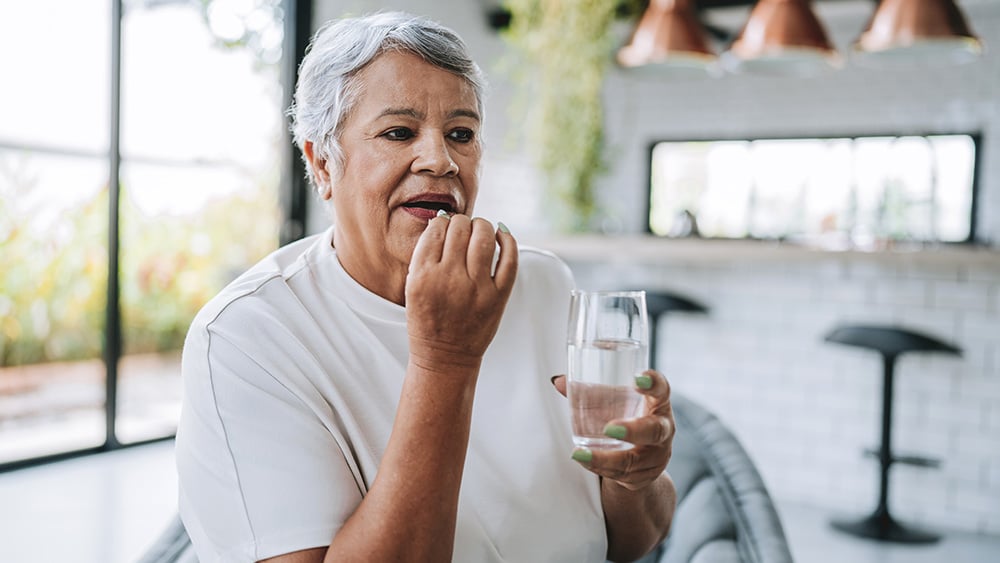
Medication side effects: Prescription medications can affect the body’s ability to regulate temperature and sweat. To manage chronic conditions, most older adults are taking some form of prescription medication and have an increased risk of heat-related side effects. Talk with your primary care provider if you have questions about how your medication(s) are affected by heat.
Symptoms of heat exhaustion in older adults
If you or an older adult you know are feeling overheated and start to feel these symptoms, you may be starting to experience heat exhaustion.
- headache
- nausea or vomiting
- rapid heart rate
- weakness
Heat exhaustion happens when your body loses too much water and salt, usually because you are sweating so much.
Older adults specifically may also develop other heat-related symptoms like:
- cramps
- dizziness/lightheadedness
- edema (swelling in feet or ankles)
- rash
How to cool your body in extreme heat
Most strategies for staying as cool as possible are straightforward and can be managed by adults on their own.
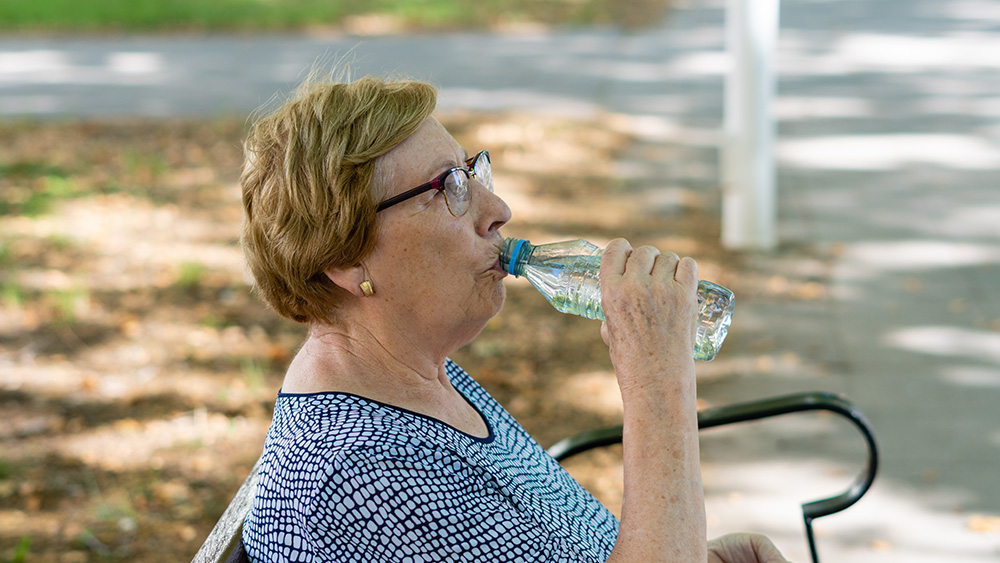
Stay hydrated: Drink enough water so your body can cool itself down. This is often the most helpful thing you can do to keep your body from overheating. If your doctor or primary care provider is limiting the amount of fluids you are drinking due to a health condition, ask them how much you should be drinking.
Stay in the shade: If you are outdoors for any reason, avoid being in direct sunlight for longer periods of time. Whether you’re at a picnic or gardening, look for shady spots so the sun doesn’t affect you more.
Wear the right clothes: Choose loose-fitting, light-colored clothing on days with extreme heat. Darker clothes absorb more sunlight and more heat, so light clothes are your most comfortable option.
Manage sunlight: Keep your shades pulled down during the day. This will keep sunlight and the extra warmth that comes with it. Open your windows open at night as possible to naturally cool any room you are in.
Keep air moving: Whether it’s just a breeze from the wind, a circulating fan, or an air conditioning unit, keeping the air moving is helpful in keeping your body from overheating.
Head to a cooler place: Consider visiting another location for the day if you or an older adult has access to transportation. Libraries, malls, recreation centers, or a friend’s house typically have air conditioning for you to take advantage of.
ElderONE PACE Centers are open to enrolled participants weekdays from 8:30 am until 4:30 pm with air conditioning for visitors to stay cool. Most participants take ElderONE transportation go to and from the centers on specific days. However, if someone has transportation and is not scheduled to come to the PACE Center on a hot day, they are still welcome to visit and take advantage of the cooler temperatures indoors.
Staff at ElderONE also assess and assist with HEAP applications and individual air conditioner units as needed for enrolled participants.
When older adults should seek medical attention in the heat
Heat exhaustion and heat stroke are serious health risks, especially for older adults. Contact a healthcare professional if you are experiencing any of the following symptoms during extreme heat:
- dizzy or lightheaded
- short of breath
- muscle cramps
- headaches
- hot, red skin
- unusually heavy sweating
- dry skin that isn’t sweating
- confusion or slurred speech
- excessive thirst
- body temperature over 103°F

Related Articles