
Key Takeaways
- Oral nicotine pouches can increase pleasure, alertness, anxious or elevated mood due to chemicals released in the body.
- Using oral nicotine pouches can raise your heart rate, blood pressure and cause GI issues.
- Any nicotine product leads to dependency. Your body starts to rely on its effects quickly.
A growing number of people are starting to use oral nicotine pouches compared to other popular nicotine products like vapes and e-cigarettes. From 2017 to 2024, oral nicotine products like Zyn, On!, and VELO saw sales increase by nearly 900 percent, according to NielsenIQ retail sales data.
So what’s the appeal of oral nicotine pouches – and what is inside of them?
We talked with Ritchie DeVasser, MD, FASAM, a board-certified addiction medicine and family medicine physician with Rochester Regional Health. He explains what is inside a nicotine pouch, the effects on your body, and what to consider before you use them.
What is in a nicotine pouch?
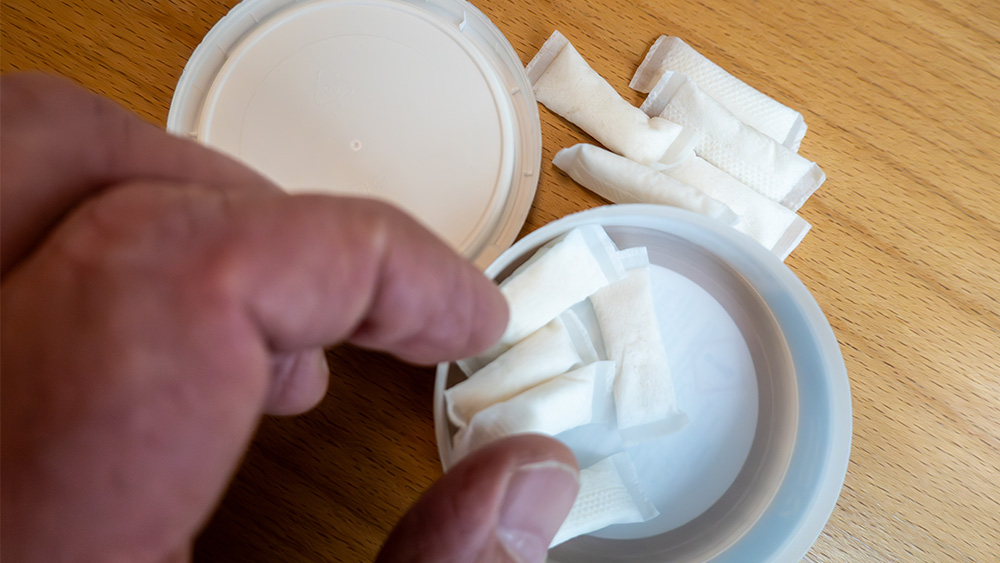
If you’re going to use any product, it’s important to know what ingredients are in it. For most oral nicotine pouches, this includes:
- nicotine salt (natural or synthetic)
- stabilizers
- fillers
- pH adjusters (affects release of nicotine into bloodstream)
- sweeteners/flavorings (for taste)
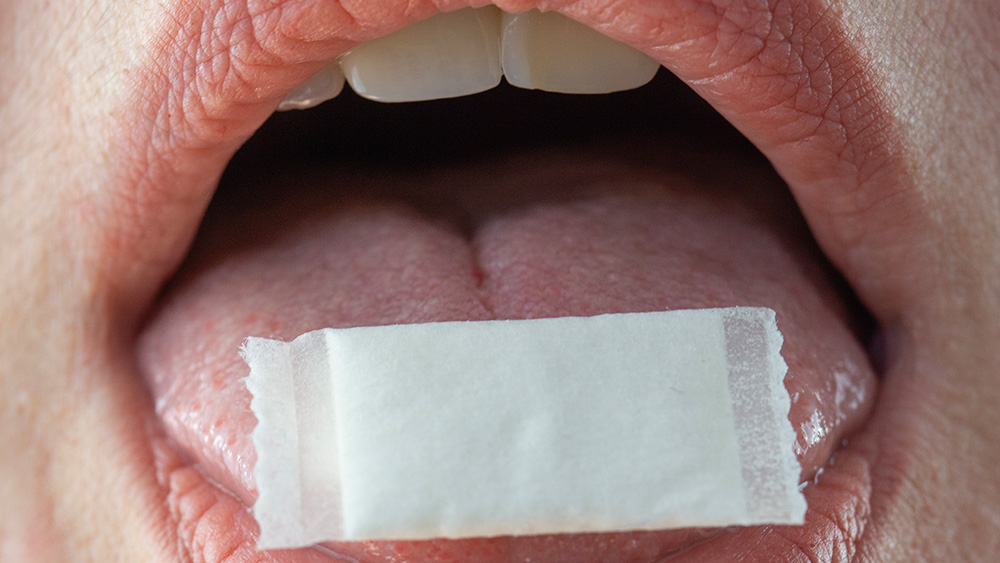
The pouch is tucked under the lower lip, allowing the nicotine to become absorbed into the bloodstream through the gums.
What oral nicotine pouches do to your body
As nicotine is absorbed into the bloodstream, it begins to affect the body’s nicotinic receptors - releasing chemical messengers called neurotransmitters. These neurotransmitters include:
- dopamine
- norepinephrine
- serotonin
- glutamate
- acetyl choline
Each of these neurotransmitters have different effects on the brain and body – leading to pleasure, alertness, anxious or elevated mood.
Physically, nicotine also affects your cardiovascular system by raising your heart rate and blood pressure, as well as constricting your blood vessels.
People who used nicotine pouches also reported having gastrointestinal issues like bloating, nausea, and heartburn.
Over time, studies show nicotine affects important brain receptors for adolescents and young people, which can make them more likely to become lifelong nicotine users.
“Your brain is still developing until age 25, and when you use these substances that have an effect on your brain, it can cause developmental issues,” Dr. DeVasser said.
Why people like oral nicotine pouches
While oral nicotine pouches are relatively new, their popularity stems from a few reasons.
Small and discrete: Especially with adolescents and young adults, Zyn and On! are small enough that they aren’t overtly noticeable
Short-term boost: People who may want a short-term attention boost may try oral nicotine pouches and find them appealing.
Friend & follower influence: If your friends or an influencer you follow is talking more often about a product that makes them feel better, you might be more interested in it. Like any product, it’s important to be cautious with new products.
“Everyone these days is trying to work at their max,” Dr. DeVasser said. “If you are trying to be more productive and multitask and you find something that might give you a little bit of an edge, even if it is risky for you, then you think of trying it.”
Are oral nicotine pouches addictive?
One of the major concerns of using any type of nicotine product is developing a dependence. Like people who smoke cigarettes or vape nicotine products, using any type of nicotine risks developing a dependence or addiction.
Regardless of whether you are a smoker, using nicotine pouches, or any other nicotine product, the body becomes used to the release of neurotransmitters because of nicotine.
“While you are sleeping, those receptors in your brain have had a chance to calm down because there is less nicotine in the body,” Dr. DeVasser said. “So, when you have that first pouch of nicotine , it activates everything again. Patients may then take repeated doses to try and recreate that feeling. Patients may feel the effects of nicotine in the short term, but if you continually use it over and over again, you will develop a tolerance, withdrawal symptoms and eventually dependence.”
Dr. DeVasser’s main recommendation for any nicotine product? Don’t start using it.

Related Articles