
Key Takeaways
- Alzheimer's disease is diagnosed using a combination of memory testing, medical history, imaging, and bloodwork.
- New tests may help doctors identify Alzheimer's disease earlier and predict symptoms before they begin.
- Early diagnosis can help patients access treatments, support services, and future planning resources.
Our highly trained memory care providers are here to support both you and your loved one, offering neurologic assessment, diagnosis, treatment and ongoing support to give you the care and compassion you deserve.
For anyone who wants to have their loved one tested for Alzheimer’s disease, the process is complex. Neurology experts use memory tests, brain scans, blood tests, and other tools to test patients who may have Alzheimer’s.
There is no single test or survey that will guarantee a correct diagnosis on its own.
Alzheimer’s is complex and can look like other medical conditions. A neurologist can help find the cause of symptoms and recommend the best treatment options so each patient and their loved ones can live the fullest life possible.
New research about new blood tests may have the potential to change how neurologists see changes happening in the brain related to Alzheimer’s disease.
We asked Marla Beth Bruns, MD, PhD, the Medical Director at the Unity Memory Center at Rochester Regional Health, to explain the process of testing Alzheimer’s disease, what new research might hold for the future, and what to look for if your loved one may be showing signs of dementia or mild cognitive impairment.
Signs of Alzheimer’s disease
Alzheimer’s is a progressive disease that most significantly affects parts of the brain controlling memory, speech, and thought. The Alzheimer’s Association suggests 60-80 percent of dementia cases are linked to Alzheimer’s disease.
Paying attention to changes in someone’s regular cognitive behavior is important. Look for ongoing changes that are related to:
- Memory loss
- Trouble with planning
- Mood changes
- Difficulty with routine tasks
- Time or location confusion
- Space or visual perception changes
- Challenges speaking or writing
- Declining decision-making skills
- Social withdrawal
- Losing things
When should someone be evaluated for Alzheimer’s disease?
If someone shows at least two early signs of Alzheimer’s, a family member or caregiver should schedule an appointment with a primary care provider.
“We really depend on the primary doctors to screen for a lot of these symptoms,” Dr. Bruns said.
Primary care providers can look at a patient’s family history, activities of daily living, sleep habits, behaviors, and other criteria to help rule out other diagnoses.
All of this helps them determine what each patient’s normal cognitive and behavioral functions are, which is very helpful when comparing past behaviors to current behaviors.

How Alzheimer’s disease is diagnosed
A blood test alone cannot diagnose Alzheimer’s disease. Doctors use blood tests together with cognitive evaluation, imaging scans, medical history, and other tests to form a diagnosis.
Cognitive evaluation
Patients and their loved ones or caregivers can fill out a self-administered screening form that evaluates a person’s thinking ability, along with several other short screening tests that can be done in the office.
“A mini mental status exam, or MMSE, is built into the annual wellness physical exam,” Dr. Bruns said. “That will trigger a referral to our neurology offices if it’s abnormal.”
If some form of cognitive impairment is suspected, other screening tests may be performed, including:
- Montreal cognitive assessment (MoCA)
- Louis University mental status exam (SLUMS)
- Kokmen Short Test Mental Status exam (Kokmen STMS)
The goal is to make sure each person’s thinking level is appropriate for their age and education level.
Brain imaging
If the patient shows some level of cognitive impairment, a provider may order a PET scan to determine how well different areas of the brain are functioning.
“The results of this scan can tell you if the frontal lobe is working as well as the rest of the brain – the temporal lobe or parietal lobe,” Dr. Bruns said. “There is a distinct pattern to differentiate between frontotemporal dementia and Alzheimer's disease.”
Blood tests
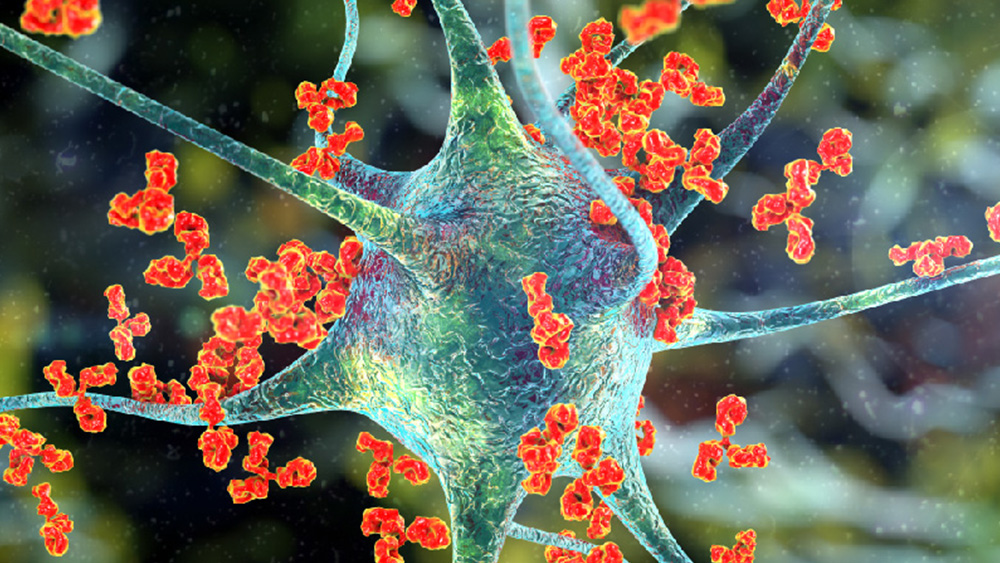
Neurologists may use a blood test, which tests patients for an amyloid (clump of proteins) called pTau217 in specific situations. Higher levels of this protein are strongly linked to Alzheimer’s.
The pTau217 blood test, which is FDA approved, is widely considered to be one of the most reliable amyloid tests for Alzheimer’s disease. That said, it is not a screening test.
Blood tests should not be used for patients who:
- are not experiencing Alzheimer’s disease symptoms
- do not have normal kidney function
- are under age 50
Blood tests are used both to help with confirming an Alzheimer’s diagnosis and to ensure patients will receive the right medications.
“Having this blood test has been a game changer. It’s noninvasive and not as expensive as an amyloid PET scan,” Dr. Bruns said. “Drug companies for amyloid therapies recognize the pTau217 test as sufficient proof that they can start therapy.”
What is the pTau217 blood test?
Recently, a study funded by the National Institute of Health studied tiny pieces of genetic material in the blood to see if they could predict Alzheimer’s symptoms years before they begin. For patients who had higher levels of that material, it “nearly tripled patients’ risk of developing symptoms,” according to researchers.
The results of the study point toward a potential path toward predicting when a patient would start to experience Alzheimer’s symptoms.
“These new blood tests are helpful, but we have a long way to go to figure out what to do with those results,” Dr. Bruns said.
Dr. Bruns also applauded the progress toward diagnosing symptoms earlier while also stressing the importance of finding treatments that can alter the disease itself.
“The future is always working toward prevention,” Dr. Bruns said. “Being able to diagnose earlier is key, but it is also very important to study the medications that can treat it and modify the disease and not just the symptoms.”
Memory care at Rochester Regional Health
Neurology experts at Rochester Regional Health focus on early intervention, accurate diagnosis, and individualized care when it comes to treating patients with memory and cognitive disorders.
With a team of physicians, advanced practice providers, social workers, and strong collaborative relationships with other medical specialties, patients and their families work closely with us to develop personalized plans aimed at improving brain function, enhancing quality of life, and promoting independence.
Ongoing relationships with Lifespan and the Alzheimer’s Association offer additional resources to patients and their loved ones. Every visit and connection is made with the goal of empowering patients and caregivers with knowledge and support, ensuring they are fully involved in every step of their care journey.
“Dementia and mild cognitive impairment are never normal,” Dr. Bruns said. “But our goal is to try to be there for each patient and keep them as safe and independent as possible.”

Related Articles