Key Takeaways
- Start by taking time to let the news soak in, then find a support person to talk with and keep your routine.
- Spend some time asking questions of your cancer care team and getting to know them so you feel comfortable going into your treatment.
- When you decide on your cancer team, outline the goals you have for treatment and life in general. This will help guide your team’s decision-making process.
We know how quickly a breast cancer diagnosis can change someone’s life and the lives of those they love. With a strong support system, a spirit of determination, and modern medicine, we will partner with you to confront this pervasive disease head-on and secure hope for you and your loved ones.
At Rochester Regional Health’s Breast Center, we understand a breast cancer diagnosis can often lead to a flood of thoughts, emotions, and questions. One of the biggest questions we get is What do I do now?
Our breast health experts describe who you might meet with following a diagnosis, along with some suggestions of how to prepare yourself for the road ahead. It’s important to understand that each woman’s journey through breast cancer treatment is unique and the decision on how that treatment unfolds is different for everyone.
Take a breath – and educate yourself
In the first hours and days after your initial diagnosis, take some time to soak it in.
Most women who present with breast cancer are really at a treatable stage and have a very good prognosis. Take a few days to ground yourself and press forward with what you need to do.
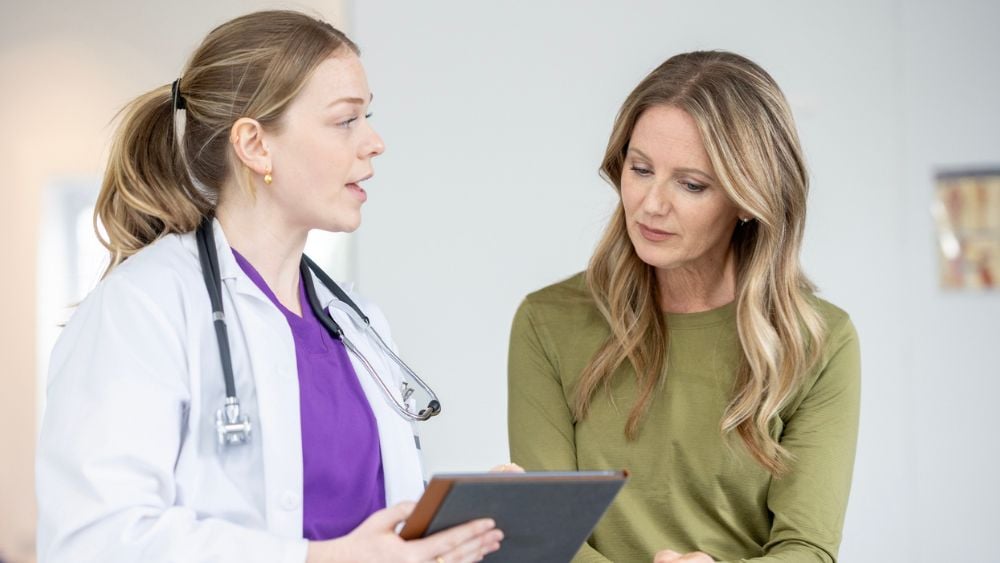
“Every patient's cancer journey is unique,” said Emily Klosterman, DO, MSMEd, a breast surgical oncologist with the Breast Center. “When you talk with other people who may have gone through cancer, just keep in mind that your journey may be different from theirs. The most important thing that you needed to do has already been done: you sought care.”
Find a support person. Ask a close friend or family member to learn with you, attend your appointments, and help support you. A second set of ears and another point of view is invaluable when you are dealing with your new diagnosis.
Do your research. Find the right cancer center or breast center, ensuring they have doctors who are board-certified in their specialty, and are experienced in treating breast cancer. If you are not comfortable with your plan, don’t be afraid to get a second opinion to validate your original plan or reinforce your confidence in your first doctor.
“The best places to look for information are accredited websites with specific organizations that deal with breast cancer like the American Society for Breast Surgeons, the American College of Surgeons’ Commission on Cancer, and the Susan G. Komen Foundation,” Dr. Klosterman said. “Look for resources that have good research and have updated research.”
Keep your routine. Making big lifestyle changes in the midst of a major time of crisis is stressful. One of the only things you can control in the short term of a cancer diagnosis is stress. Do your best to keep your day-to-day schedule and activities the same for now. We will help you navigate all the other very important aspects of nutrition and other risk reduction activities when you are ready.
Get to know your team of providers
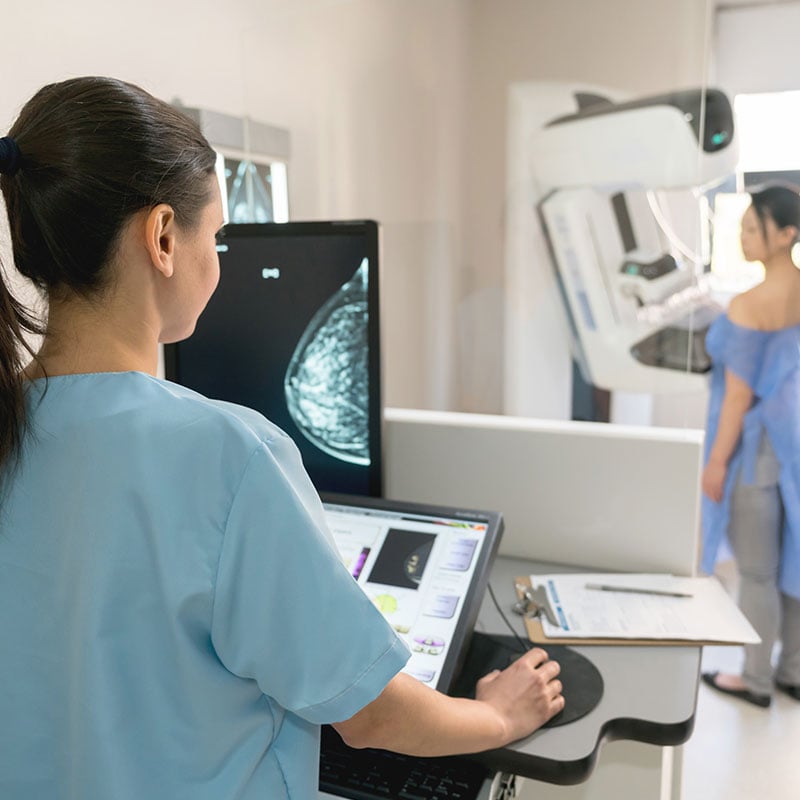
Most women will receive their initial breast cancer diagnosis from either a radiologist who read their mammogram or other imaging results, a pathologist who examined their breast biopsy, their primary care provider, or their OB/GYN provider.
Give your doctor a few days to review the images and formulate a plan before they contact you. This will ensure that they have thoroughly analyzed at your results and taken the time to consult with other specialists as needed in order to give you as complete a picture as possible.
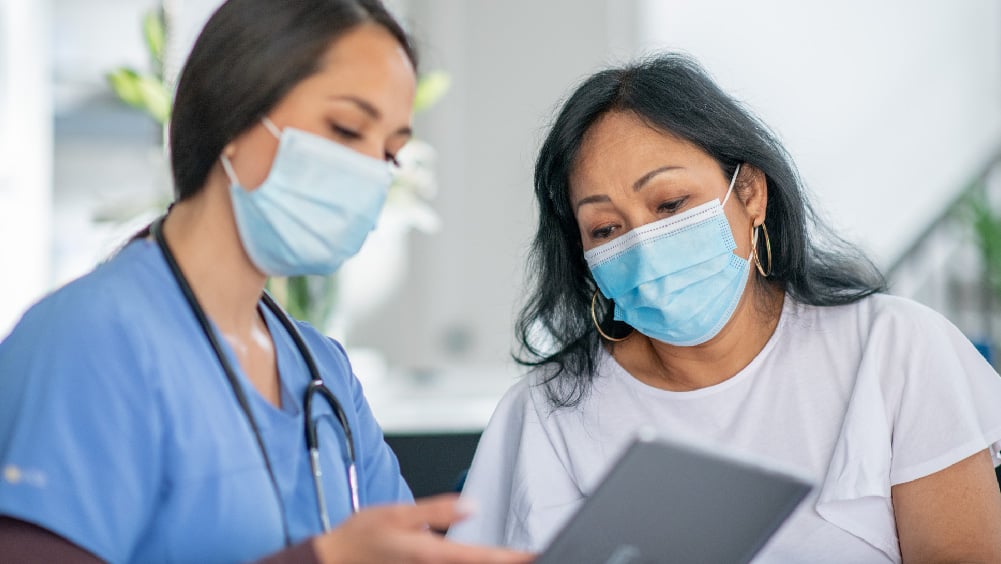
Any patient coming to the Rochester Regional Health Breast Center following a breast cancer diagnosis will be called by a nurse about a week ahead of their appointment. That nurse will ask questions about their medical history, family history, their diagnosis, and what they may be going through physically and emotionally.
Depending on your type of cancer, you will be connected with various members of your care team as part of your initial conversations who will help you to navigate each step of your cancer journey. At the Breast Center, these providers may include a:
- surgeon
- genetics counselor
- cardio-oncologist
- fertility counselor
- medical oncologist
- plastic surgeon
- radiation oncologist
- breast cancer/social work nurse navigator
- emotional support navigator
Our providers strive to align every patient with team of providers who will be with you every step of the way. A nurse navigator will work with you to coordinate appointments, community support groups, financial aid, transportation, and other resources to ensure you get the best treatment possible.
What to expect at your first breast cancer appointment
At your initial appointment, we take in as much information as we can so we can set you up with a personalized treatment plan that meets your specific needs.
You will have someone take your vitals, then meet with your provider in an exam room. During this visit, you can expect to talk about:
- your medical history
- your examination
- symptoms leading up to diagnosis and afterward
- your personal and family cancer history
“Learning your family history helps us to gain more information as to whether you will be a candidate for genetic testing or other testing,” Dr. Klosterman said.
We will do a physical exam and a breast exam of both sides to understand what your baseline is and identify specific issues or changes as part of your diagnosis.
Following the exams, we talk about your specific diagnosis, then review your imaging and the next steps available to you.
“For every patient, I approach them as a unique individual,” Dr. Klosterman said. “I look at their specific imaging, their pathology, as well as their clinical exam and that helps to guide me in terms of what are the next steps for them.”
Before you start to move ahead with treatment, be sure you can work with your particular team of providers. During cancer treatment, you are forming a long-term relationship with providers who are treating this disease. You want to make sure you feel comfortable asking questions and relating to one another throughout the entire process.
“I do recommend bringing a support person with you,” Dr. Klosterman said. “It's always good to have an extra set of ears alongside you, and also someone to ask additional questions that you may not think of.”
Shaping your treatment plan
Your care team will discuss your specific type of cancer, the available treatment options, including medical, hormonal, and radiation therapies, hidden scar surgery, IORT, SaviScout, and clinical trials, and work with you to define a treatment plan that fits your goals and lifestyle.
Rochester Regional Health’s Breast Center not only focuses on treating your cancer, but also you as a person. We strive to get you back to your life as quickly as possible – before, during, and after your treatment. This includes connecting you with services that can help mitigate side effects of cancer and get you back to a healthy life.
Among those services are our Integrated Care Services which are supplemental therapies designed to alleviate disease or treatment-related side effects to promote healing. Examples include cancer pain and rehabilitation, nutrition counseling, behavioral health and emotional support, and fertility counseling, among others.
Being treated for breast cancer is a long process that does not resolve in a matter of days. Rochester Regional Health's Breast Center team will be with you throughout your entire treatment process and bring you the best possible care.
“When we find breast cancers as early as possible, they are more treatable and more survivable,” Dr. Klosterman said. “Patients who find the breast cancers early typically go on to live their normal life expectancy.”
Take our online breast cancer screening assessment to find out.
Related Articles