Key Takeaways
- Get your child involved in a sport or activity when they seem ready. It is never too early or late to start something new.
- For kids who don’t thrive in team sports, get creative with activities like hiking, rock climbing, dance, and others.
- Beyond physical activity, fueling your body with healthy food and drink is important. Avoid too many sugary sports drinks.
From birth through age 21, our pediatric providers are here to give your children the best possible care and help you as they grow.
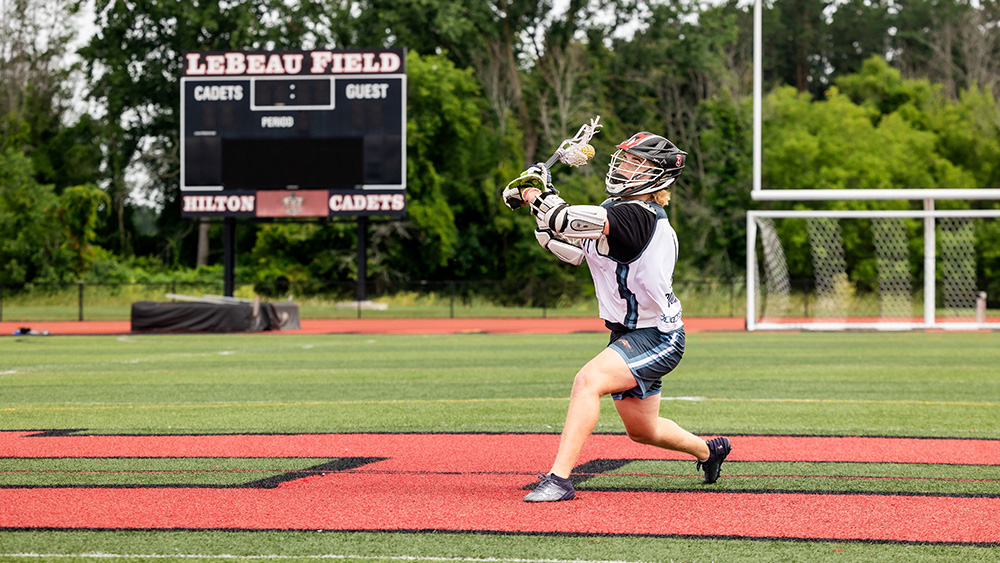
Getting a child involved in a sport or an activity where they are moving their body regularly has a lot of benefits, both physical and emotionally. Playing as part of a team can build teamwork and cooperation, and empower kids with leadership and self-discipline.
“So many important things about adulthood – communication, establishing and maintaining healthy relationships – are built on the impactful learning experiences we have as children in youth sports,” said Doug Liano, MD, a pediatrician with Rochester Regional Health. “They teach us to obey rules, negotiate and resolve conflicts, and work as a team to achieve a goal. It is important to understand the impact that a healthy experience in sports can have on a child as an adult.”
Each year, more than 60 million kids in the U.S. start playing a sport or engage in some sort of physical activity. So when and where do you start?
Dr. Liano regularly sees children who are starting new sports and activities that keep them moving. He shares his advice on when children should start a new sport or physical activity, how to find something physically active to do with children who may not be interested in sports, and things parents should keep in mind for their children with exercise.
How to get your child into sports and exercise
There is no hard and fast rule about when a child can begin playing a sport or starting a class where they are doing something active. If a parent is confident in their child’s ability to participate, any type of movement is a great place to begin.
If you are unsure where to start, here are a few ideas.
Get kids around other kids: Young children will try what they see their playmates doing. one child is at the playground with another child and sees them playing with a ball, chances are they will want to play with the ball too.
“As parents who lead, we can set our children up for success by setting the situation, circumstances, and conditions and allow our children to naturally follow the path wherever it leads them,” Dr. Liano said.
Try everything: Put your child into different classes and activities and see how and where they blossom. Clinics and classes that teach beginner skills for most sports are available for children as young as 2-3 years old.
Know what’s right for them: When your child is trying a new sport or activity, pay attention to how they engage with the body and mind. If they are focusing on what the coaches or leaders are saying, interacting with other kids, and talking about it positively outside of the practice or class, this is likely a good fit for them. If the opposite is true, it may be time to try something new.
For older children and teenagers who may be interested in a new sport or type of exercise, talk with other parents and coaches who know about it. They can give you insight into time commitment, level of fitness required, additional conditioning, and other elements that might factor into the decision to pursue that new activity.
Activities like CrossFit, triathlons, long-distance running, and others may be a good fit – or it might demand more of their body than they can handle at their current age.
“Ask questions and listen with an open mind,” Dr. Liano said. “Coaches and healthcare providers have life experience in how children and adolescents succeed in these environments.”
How to get your child moving outside of sports
While some kids will thrive as part of a sports team and make fast friends with new teammates, other children are not comfortable playing team sports for a variety of reasons.
For children who may not have any interest in team sports or sports in general, there are still plenty of creative ways to be active. Parents can try:
- Walking
- Hiking
- Rock climbing
- Rollerskating
- Bike riding
- Swimming
- Kayaking/canoeing
- Dance
- Ultimate frisbee
- Yoga
- Martial arts
- Playgrounds
Above all, Dr. Liano encourages parents to set a good example for their children. If parents get up early to exercise on their day off from work, get out of the house to play pickup basketball, or even put on music and move around, that sends a powerful message to their child.
“Children derive tremendous information from what we present to them as parents, so we should try to model that behavior,” Dr. Liano said. “You don't have to be a pro athlete or a semi-pro athlete or a devoted athlete yourself. Anybody can be active from a very early age.”
What to avoid with children and exercise
One in five U.S. children is obese, according to the Centers for Disease Control. Severe obesity carries many health risks for children, both in childhood and adulthood.
Dr. Liano acknowledges that being physically active does have an impact on a child’s physical health but strongly discourages parents from looking at sports and exercise purely as a method of weight loss for their child.
While being physically active is an important part of a healthy lifestyle, children who are healthy also balance eating and drinking nutritious food and drinks. Sports drinks often have a lot of sweeteners, which can contribute to an unhealthy lifestyle if they are consumed too often outside of an active setting.
The best thing for any child to drink is water.
“What children are drinking and eating is way more important than getting a lot of exercise,” Dr. Liano said. “If you are going to make one change, consider eliminating sweetened beverages because it is basically liquid candy.”
Finally, if a child does start a sport or a new type of physical activity, knowing your child’s attitude and capacity to try new things is important to factor into their experience. Forcing a child to do something they don’t want to do won’t serve them well in the long run.
“The best thing parents can do for their children is to give them tools and resources to be healthy, grown adults,” Dr. Liano said.

Related Articles