Key Takeaways
- Drink water regularly and take breaks in shade or air conditioning to prevent dehydration and overheating.
- Wear lightweight clothing, use sunscreen, and limit time in direct sun to help your body stay cool.
- Know the signs of heat-related illness and seek care quickly if symptoms appear.
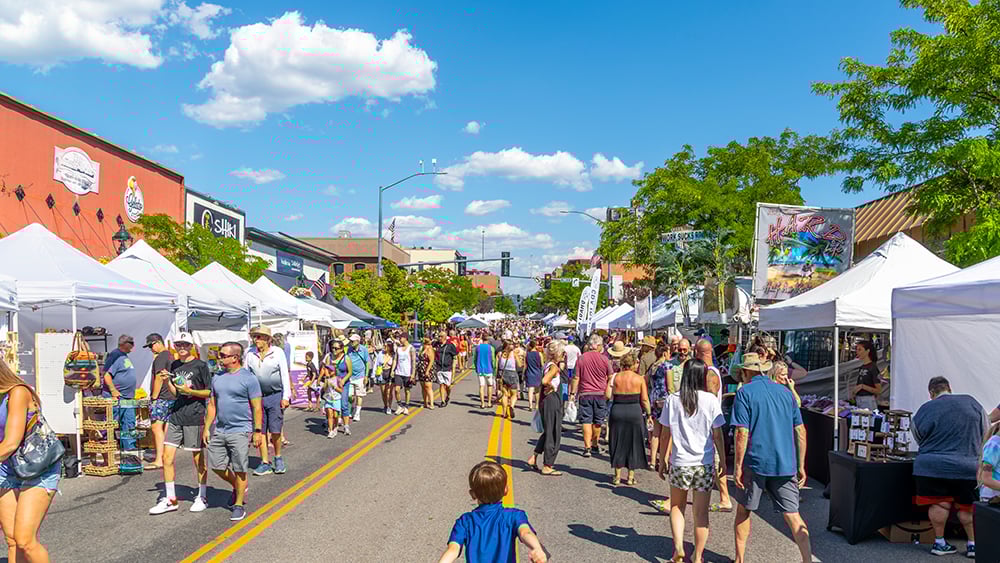
This is the season we have been waiting for: summer festival season.
With live music, great food, and excellent company, it’s easy to enjoy our time at these events. Staying cool during the hot weather can be a challenge, however.
Hot, humid conditions can make it harder for your body to cool itself – raising your risk for dehydration, heat exhaustion, and heat stroke. Our experts suggest a few simple ways to stay safe while enjoying your day.
Stay hydrated
Drink water throughout the day—even if you don’t feel thirsty. Your body loses fluids quickly in the heat, especially if you are walking or dancing outdoors.
Limit your alcohol and caffeine intake. These drinks can increase dehydration and make it harder for your body to regulate its internal temperature.
A good rule of thumb: if you are having a drink with alcohol or caffeine, follow it with water.
Find some A/C indoors
It may not be available everywhere but take breaks in air-conditioned spaces whenever possible. Even short periods in a cool environment can help lower your body temperature and reduce your risk of heat illness.
If indoor areas aren’t available at the festival, consider nearby cooling spaces like shops, buildings, or your car with the air conditioning running.
Cooling towels or small fans
Portable cooling items are big difference makers on hot days. Using a damp, cool cloth or towel on your neck can help lower body temperature. Small handheld or battery-powered fans can also improve comfort and air circulation.
When shade or indoor air conditioning isn’t an option, these are especially great.
Wear light, loose clothing
Choose lightweight, loose-fitting, and light-colored clothing. These materials allow air to move around your body and help sweat evaporate more easily.
Avoid heavy or dark fabrics, which can trap heat and raise your body temperature.
Look for shady spots
When you are outdoors, spend as much time as possible in shaded areas.
Direct sunlight increases your risk of overheating and sunburn. Taking breaks under tents, umbrellas, or trees gives your body time to recover.
Use sunscreen
This can be the trickiest one to remember, but it’s so important. Apply broad-spectrum sunscreen with SPF 30 or higher before going outside - and reapply it every two hours.
Sunburn doesn’t just damage your skin. It also makes it harder for your body to cool down, which also raises your risk of heat-related illness.
Hats and sunglasses are also good accessories for summer event days.
When to find a first aid tent
If you start to feel any of the following symptoms, find a first aid tent or make a visit to a nearby urgent care:
- headache
- lack of sweat
- hot, red skin
- nausea or vomiting
- rapid heart rate
These may be signs of heat exhaustion or heat stroke, which can become serious quickly if not treated. Find a cool place to rest and drink water right away. If symptoms don’t improve, seek out medical care as soon as possible.
Related Articles