
Key Takeaways
- Summer brings people to urgent care for allergies, rashes, tick bites, poison ivy, sunburn, bee stings, and more.
- Most of these conditions are treatable with over-the-counter medications and at-home remedies.
- If you are experiencing severe symptoms such as shortness of breath, fatigue, extreme pain, or low blood pressure, visit an urgent care or emergency department.
Whether you want virtual urgent care on demand, an urgent care location, or a primary care provider, we are here for you. Easily schedule appointments or find walk-in care when and where needed.
Summer brings us outside to spend time enjoying the sun and fresh air.
Being outdoors also brings health concerns that can end up with trips to urgent care or a video call with virtual urgent care. Whether it’s a rash from an unknown plant or a severe sunburn that needs attention, we’re here for it.
Our urgent care experts share what brings patients to see them most frequently, and how the conditions are treated.
1. Allergies
Most people who come into urgent care with allergies are dealing with typically upper respiratory symptoms like
- coughing
- nasal congestion
- scratchy throat
- sneezing
- itchy eyes
These symptoms last longer than a virus or cold, which tends to resolve after 7-10 days.
Treatment
Providers will often suggest taking an over-the-counter antihistamine like Zyrtec or Claritin to reduce the severity of allergy symptoms.
Making adjustments to your environment in the 6-8 weeks that seasonal allergies kick in can help too. This might include keeping windows and doors closed, wearing a mask while doing outdoor work, reducing time outdoors while pollen is higher, changing clothes and showering after coming indoors, or using a dehumidifier.
2. Rash (Contact dermatitis)
Contact dermatitis is a common skin condition where your skin becomes red and itchy after touching something that is either irritating or something that you are allergic to.
For some people, skin can also become cracked or filled with fluid.
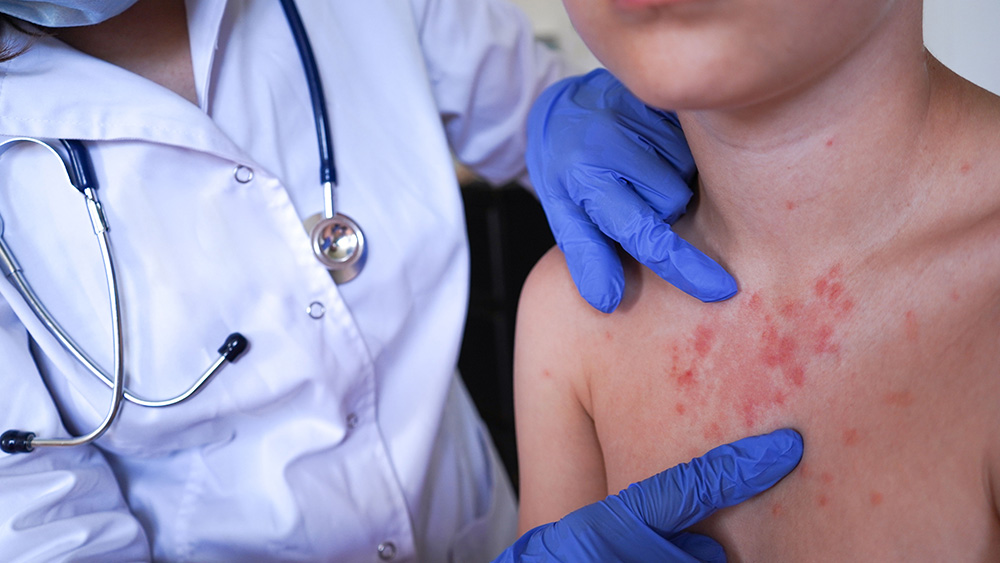
Contact dermatitis can be caused by a new detergent, soap, cosmetic, or other product that your skin is irritated by – or something you are exposed to at work.
People who have contact dermatitis can’t spread it to other people.
Treatment
The best treatment most people can do is avoid the product(s) or allergen(s) that may have caused the irritation in the first place.
There are plenty of over-the-counter creams, lotions, ointments, and emollients that can help to relieve symptoms. Providers can prescribe a topical corticosteroid as needed.
If this keeps happening, consider asking for a referral to an allergist.
3. Tick bites
Reports of tick bites have surged in the northeastern United States over the last decade, including the Rochester and St. Lawrence regions of New York. Ticks tend to be most active from April to September.
Ticks need 48-72 hours to transmit any disease they may carry, so the sooner they are removed, the better. Remove any tick as soon as possible using a pair of tweezers. Grab the tick as close to the skin as possible and pull it straight up and out.
Treatment
Treatment is typically only needed if you develop a rash or fever within 4-6 weeks of the tick bite. The classic ‘bullseye’ rash is a sign of a tick bite.
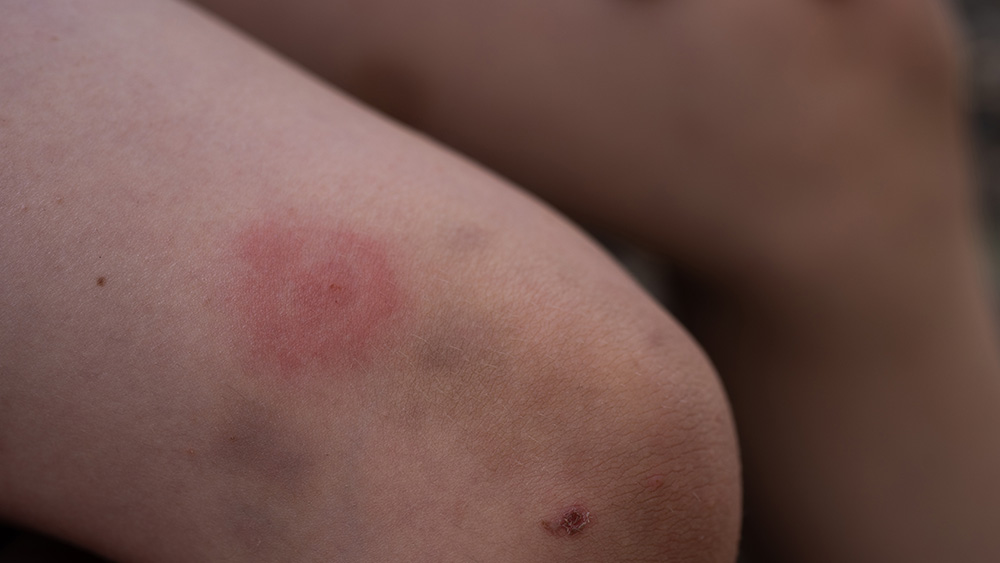
If a tick is found to be engorged and removed, urgent care providers will prescribe a preventative antibiotic (doxycycline) within 72 hours to eliminate any potential bacterial infection that may have been transmitted.
“Longer courses of doxycycline are reserved for patients who develop symptoms consistent with Lyme disease, such as bull's eye rash accompanied by flu-like symptoms including fever, headache, or fatigue,” said Karolina Micalos, NP, a nurse practitioner at Rochester Regional Health Urgent Care – Webster.
4. Sunburn
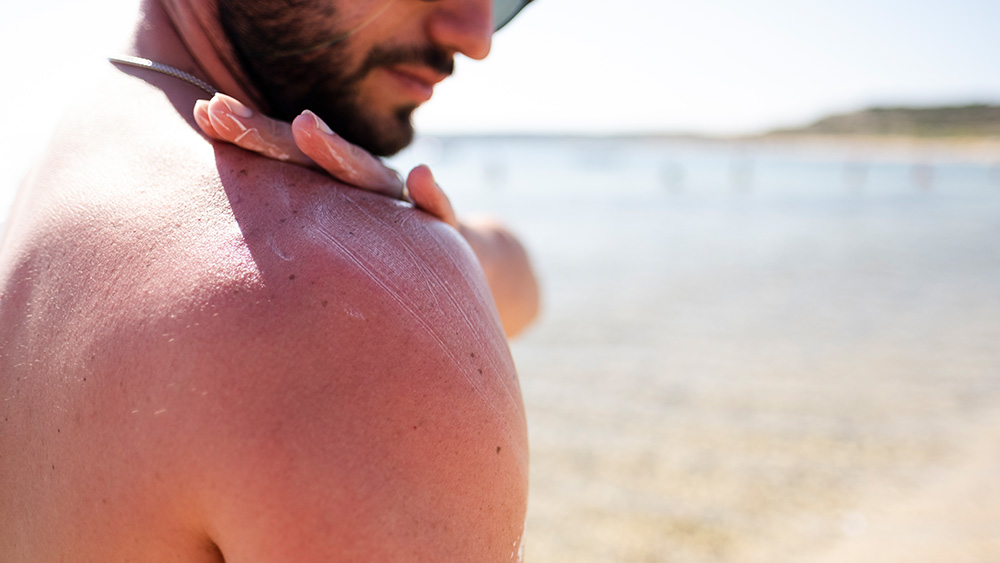
Sunburn is one of the most common health risks we experience over the summer months. Using a high-quality sunscreen when spending time outdoors and regularly reapplying it helps to avoid sunburn.
Most people treat mild sunburn at home with aloe lotion to soothe redness and irritation.
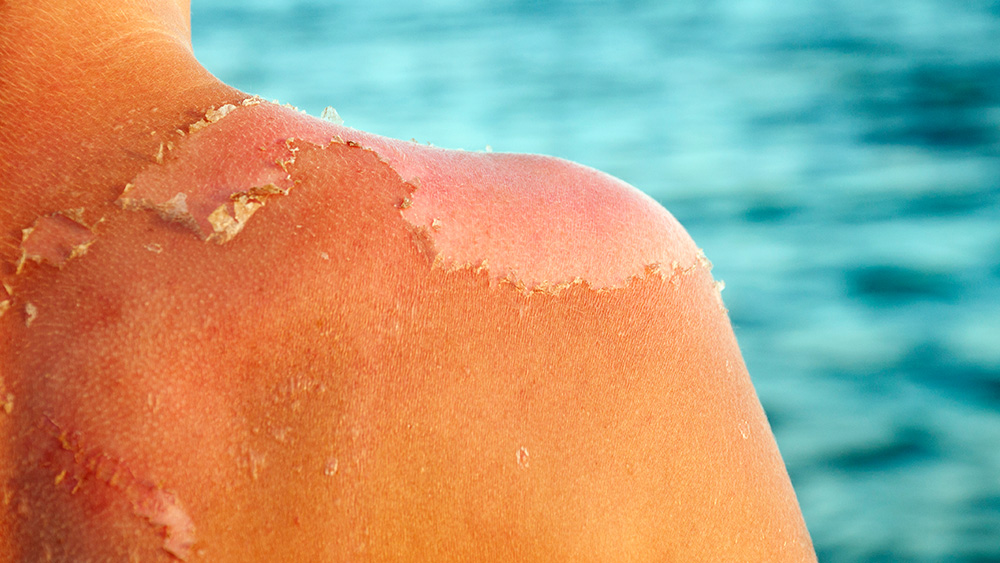
You should visit an urgent care location if your sunburn is
- extremely red
- blistered/splotchy
- leathery or white
“If you have a severe sunburn and are also feeling tired, feverish, nauseous, and short of breath, visit an urgent care as soon as possible to avoid more serious health issues,” Micalos said.
Treatment
The three things you will need to do immediately are get hydrated, get out of the sun, and moisturize your skin.
At an urgent care, providers can look at the sunburn and determine if topical creams and IV fluids are needed to get your body the fluids and infection prevention it needs to heal properly.
5. Bee stings
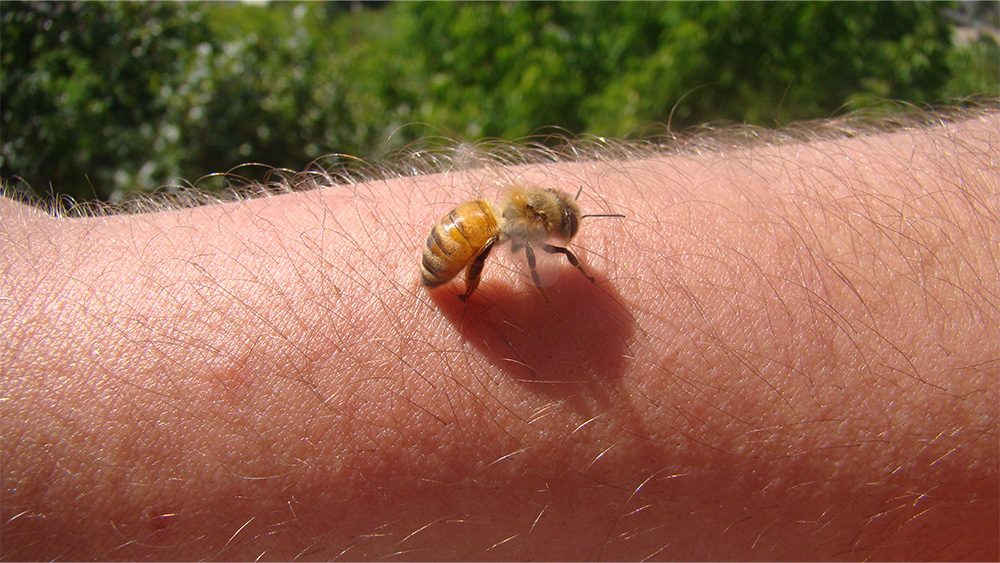
Getting stung by a bee is no fun. Whether a child or adult is stung, it’s typically followed by pain, redness, itching and swelling.
If you are stung, wash the area(s) where the sting happened, put ice on it, then put on a topical steroid cream to relieve any itching.
Treatment
Most bee stings can be managed at home. Antihistamines such as diphenhydramine (Benadryl) or cetirizine (Zyrtec) can help with itching and other mild symptoms. Cetirizine lasts longer and doesn’t lead to the drowsiness compared to diphenhydramine.
If there is unusual swelling or the sting happened in an abnormal part of the body, visit an urgent care.
Fewer than 1 percent of people are severely allergic to bee stings. Life-threatening symptoms develop within seconds to minutes, such as:
- difficulty breathing
- dizziness
- low blood pressure
- nausea
- throat/tongue swelling
“If you have a known severe allergy to bee stings, have epinephrine on hand at all times in case of an emergency,” Micalos said.
6. Poison ivy
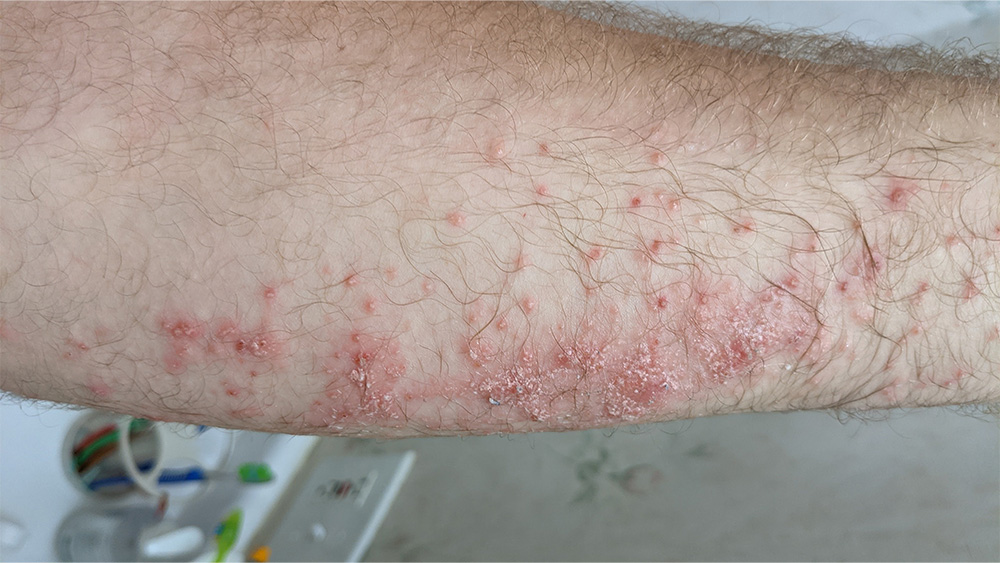
Getting a rash from poison ivy or other similar plants is a common summer health issue. You can easily spot the three glossy leaves that each come to a point for poison ivy. This often found in wooded areas, paths, and sand dunes.
When oil from the leaves or vines on a poison ivy plant comes into contact with skin, it causes itchy blisters and rashes. If a poison ivy plant is burned, inhaling the smoke can be extremely hazardous to the throat and lungs.
Treatment
Wash the affected skin as soon as possible with warm water and a degreasing soap to help remove the plant oil and potentially reduce the severity of a reaction.
Any rash or itchy skin can be treated using hydrocortisone creams or Calamine lotion, or with cool compresses to provide relief from the constant itching sensation.
If you have a severe allergy to poison ivy and topical creams and lotions don’t offer any relief, a provider may prescribe an oral steroid such as prednisone to relieve itching and further spread of the rash.
Any clothes, bedding or other items that may have plant oil on them should be washed to prevent exposing yourself again.
7. Embedded fishhooks
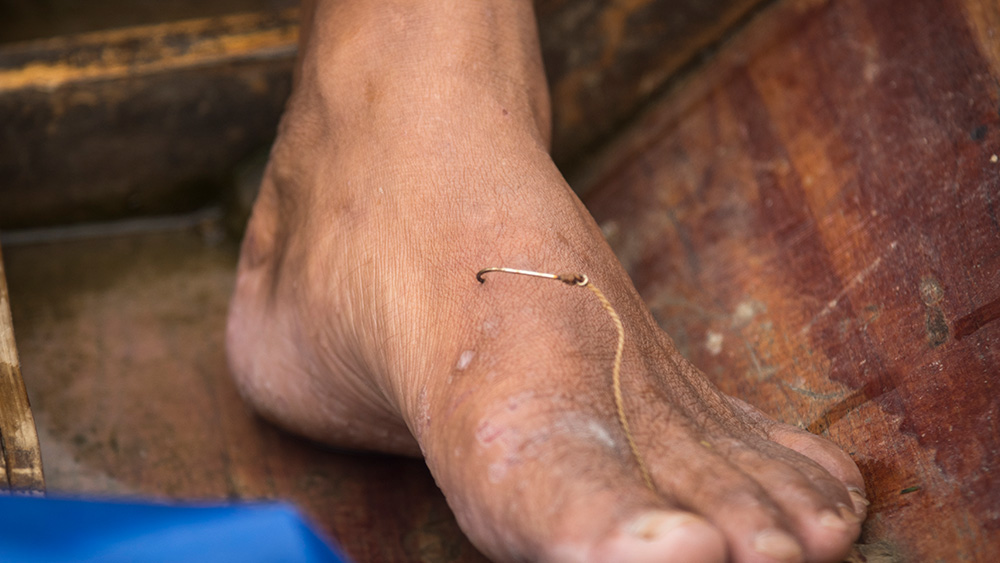
Though not as common as other health conditions, urgent care providers say they see a fair number of patients who need fishhooks removed from their skin.
Often happening while casting a fishing line, patients have the fishhook snag on different areas of the skin – sometimes embedding with the barb under the skin.
Treatment
You should always visit an urgent care to get a fishhook removed if it is embedded on or near:
- a joint or tendon
- an eyelid or eye
- an artery
An urgent care provider will be able to remove the fishhook in a calm, straightforward manner. One of the main benefits is being able to use localized anesthesia as needed so there is little to no pain when the hook is being removed.
Related Articles