
Key Takeaways
- Heart failure with preserved ejection fraction (HFpEF) is estimated to affect roughly half of all heart failure patients.
- With specialized testing, cardiology specialists are able to diagnose and treat HFpEF patients with unique treatment plans.
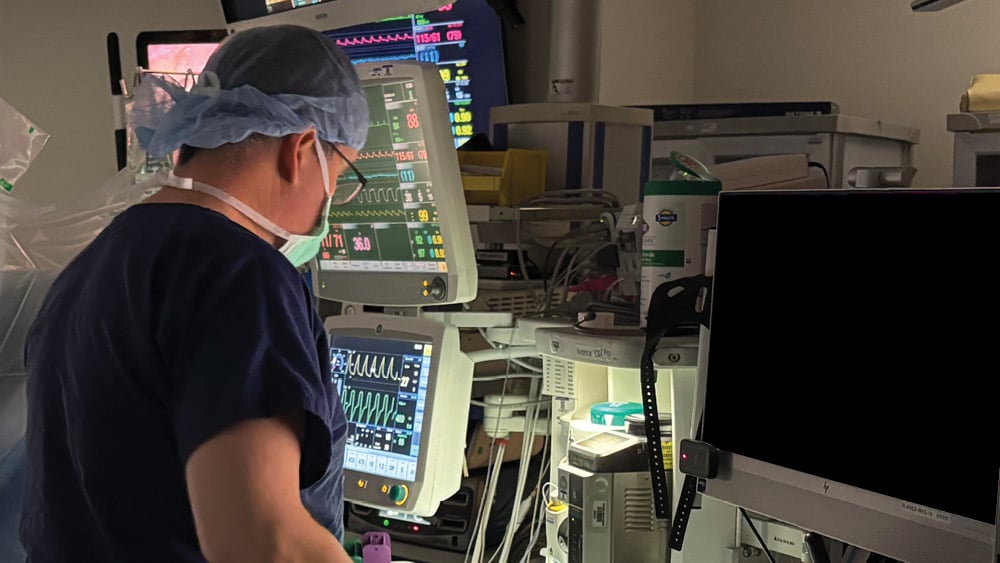
- The HFpEF Center at Rochester General Hospital is one of three programs in the state to focus on this specific condition.
Heart failure happens when the heart is not functioning at its full capacity. Since the heart is a muscle, it needs to contract and relax continuously so it can supply blood to the rest of the body.
For patients who have heart failure with preserved ejection fraction (HFpEF), the heart muscle becomes stiff, meaning it cannot relax well. This prevents blood from fully refilling the heart chambers during the rest period between each beat.
Estimates suggest approximately half of all heart failure cases are related to HFpEF, which is more than 3 million people in the U.S. alone, according to the CDC.
Vishal Parikh, MD, FACC, FHFSA, oversees the HFpEF Center at Rochester General Hospital and meets with patients who potentially have this particular type of heart failure. He explains who is at risk for HFpEF, how the condition is diagnosed, and why Rochester General Hospital can provide the highest level of care for HFpEF patients.
Symptoms and risk factors for HFpEF
When the heart can’t pump enough blood to the rest of the body, patients start to experience several symptoms. HFpEF symptoms may include:
- fluid retention in arms and legs
- shortness of breath
- abdominal swelling
- fatigue
- mental fog
- nausea/poor appetite
HFpEF occurs more often in women than men, so women are more at risk for developing this condition – especially if they have other health conditions or significant risk factors. Some of those include:
- age
- obesity
- high blood pressure
- high cholesterol
- diabetes
- chronic kidney disease
- atrial fibrillation (AFib)
- sleep apnea
“If someone has several of these conditions – especially if they are not well managed, these patients are more predisposed to develop HFpEF,” Dr. Parikh said.
How we diagnose and treat HFpEF
Diagnosing HFpEF
The first step in diagnosing someone with HFpEF, Dr. Parikh says, is to listen to their experience. A patient’s symptoms, personal and family health history, and health risk factors are all vital to understanding how to determine the right diagnosis and best possible treatment.
After evaluating the patient, the next step is testing, which involves an echocardiogram and blood testing, along with specialized functional exercise testing to see how their heart performs while under a moderate amount of stress. To confirm a HFpEF diagnosis, heart care providers will also perform a right heart catheterization procedure – a minimally invasive procedure used to measure blood flow and pressure in the right atrium and ventricle of the heart, along with the pulmonary arteries that supply blood flow to the lungs.
“There are other conditions that can mimic HFpEF, such as sarcoidosis and amyloidosis, so we want to rule those out because the treatment pathway for those conditions are completely different than HFpEF treatments,” Dr. Parikh said.
Treating HFpEF
After confirming a HFpEF diagnosis, one of the most common questions patients ask is how it will affect their quality of life. If the patient takes no action, Dr. Parikh says, their quality of life will be significantly affected. But by acting as early as possible, there is a stronger possibility of slowing down the effects of the condition and potentially reversing it, depending on how far it has progressed.
To start, making lifestyle changes to diet, exercise, smoking, and alcohol use can make a difference. Eating more plant-based foods and limiting processed foods, doing more physical activity, quitting smoking, and reducing or eliminating alcohol are all proven to improve heart health.
At the same time, the patient’s heart care team will look at other underlying causes such as obesity, diabetes, high blood pressure, kidney disease, AFib, sleep apnea, and treat those accordingly by working with specialists in those fields.
Medications, remote fluid level monitoring, and minimally invasive procedures allow cardiologists and their heart care teams to control symptoms and risk factors for patients so they can slow the progression of the disease and improve the patient’s quality of life and potentially live longer. Other procedures are offered according to each patient’s unique needs.
“Rochester Regional Health is the only health system in this region that specializes in this condition,” Dr. Parikh said. “Everything is managed from a holistic, multidisciplinary approach – including their mental and emotional well-being.”
Offering specialized care for complex HFpEF patients
Dr. Parikh and the heart care specialists at the HFpEF Center recognized the unmet need and worked together to create a program that offers more specialized care.
Through the HFpEF Center, patients work closely not only with their own heart care team, but also with other specialists. Heart care specialists will collaborate with:
- pulmonologists to help patients with coexisting lung conditions
- bariatric surgery to assist with weight loss
- sleep medicine to conduct testing and treatment for sleep apnea
- nutrition and registered dietitians to make a plan for healthy eating
- nephrologists to help with dialysis and managing kidney disease
- electrophysiologists who can help manage atrial arrhythmias
- interventionalists who can place stents to help with coronary artery disease
- endocrinologists and heart failure pharmacists to help manage diabetes
- cardiac rehabilitation specialists to work on exercise programs
- psychiatrists and therapists to help manage anxiety and depression
- palliative care specialists to help focus on comfort and goals of care
- genetic counselors to discuss and diagnose possible hereditary conditions related to heart failure
Because the HFpEF Center is so specialized, patients also have access to enroll in clinical trials, offering another route of therapy they may not otherwise be able to have.
Scheduling assistants will connect patients with any specialists as needed.
Support groups bring HFpEF patients and caregivers together, allowing them to connect with other patients and caregivers, along with guest speakers who discuss different aspects of HFpEF care.
“I always tell my patients that this is going to be a journey. I don’t know where it will go, but I will be there every step of the way,” Dr. Parikh said. “I will guide you through the diagnosis, the treatments, listen to how you’re feeling, and be open to pivoting if things aren’t working. As long as we are working together, I will give you all the options available to help you feel better.”

Related Articles



.jpg?h=563&iar=0&w=1000)