Key Takeaways
- The average resting heart rate for a healthy adult is between 60 and 100 beats per minute.
- Underlying health conditions and being ill can affect your regular heart rate.
- If you experience a sudden change in your normal resting heart rate without any outside factors, get in touch with your primary care provider or cardiologist.
Your resting heart rate is a measurement of how many beats your heart makes in one minute.
But knowing your resting heart rate is more than just another number on your list of health statistics. Gaurav Sharma, MD, is a non-invasive cardiologist with Rochester Regional Health and explains how keeping track of your heart rate is a good measure of your overall health, and when it might be time to talk with a cardiologist about changes in your heart rate.
Calculating your resting heart rate
For the average healthy individual, your heart rate should be between 60 and 100 beats per minute (bpm).
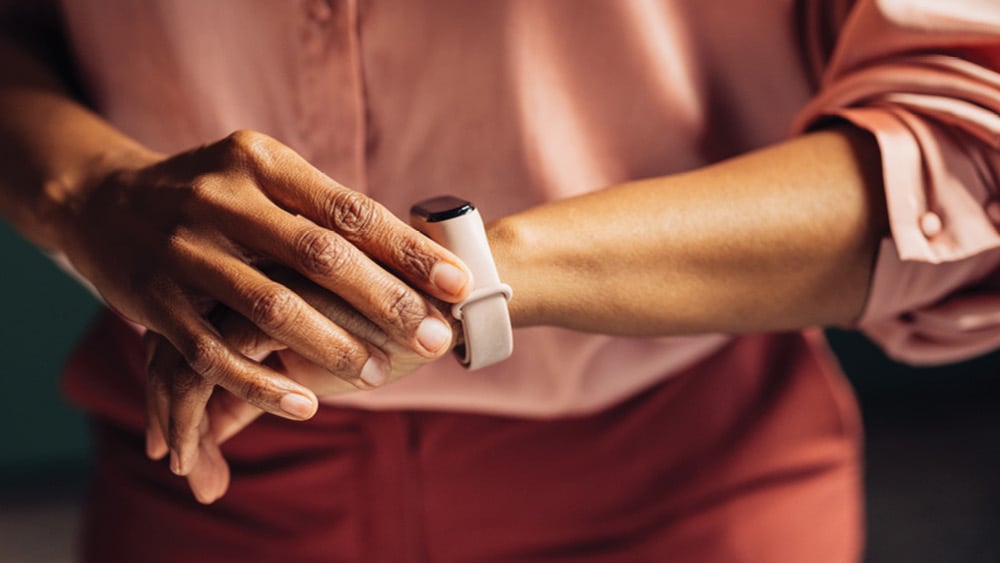
Smart watches like Apple, Google Pixel, Samsung Galaxy, or Garmin watches are fairly common and use special LED light sensors paired with light-sensitive photodiodes to detect the amount of blood running through your wrist at any given point.
The old school analog method of finding your pulse along your wrist or your carotid artery in your neck and timing it works too. Keep track of how many beats happen in 30 seconds and multiply that number by two.
“Your resting heart rate can be indicative of your cardiovascular fitness level,” Dr. Sharma said. “Generally, people who are more fit aerobically will have lower resting heart rates, sometimes down into the 40-50 bpm range.”
Factors that influence your resting heart rate
It is important to keep in mind that a range of factors might be affecting your resting heart rate. Some of these might include:
- thyroid abnormalities
- underlying structural heart condition (congestive heart failure, valve disorder, etc.)
- underlying heart arrhythmia
- anemia
- dehydration
- general illness
- sleep apnea
Dr. Sharma said it’s important to know your regular resting heart rate so that when you exercise or engage in physical activity of any sort, you know what feels normal to you and when something feels off.
“What would trigger us to say that there may be something wrong is if you are getting lightheaded, your heart rate won't pick up, or you are losing consciousness even when your heart rate is in a resting state or slightly elevated on the lower end of activity.”
When to talk with a cardiologist
If you experience sudden changes in your resting heart rate, consider talking with your primary care provider or cardiologist.
Be mindful of what else may be happening in your life and with your body that could influence your heart rate. If you are sick or know that you have any of the underlying health conditions mentioned previously, take that into consideration.
If you have a smart watch or other device that regularly records your heart rate, take advantage of that data and note when something seems off.
“If you're normally someone with a heart rate in the 50s to 60s and all of a sudden it's in the 80s, you know you may want to check with a provider if that's abnormal for you,” Dr. Sharma said.

Related Articles






.jpg?h=563&iar=0&w=1000)