
Key Takeaways
- Mild asthma is the most common form of asthma.
- Mild doesn’t mean harmless. Constantly swollen airways can cause permanent lung damage and sudden severe attacks, even when symptoms seem minor.
- With the right treatment and trigger management, most people with mild asthma can keep symptoms under control and prevent it from progressing.
Our dedicated primary care team is here to offer personalized care tailored to your unique health needs—from preventive care and routine checkups to managing chronic conditions. We help you focus on your long-term wellness so you can live the life you want.
Asthma is generally labeled as mild, moderate, or severe based on the level of treatment needed to control asthma symptoms and how often symptoms happen.
People with mild asthma typically have symptoms more than twice a week, but not every day. Those symptoms might happen at night, but not frequently.
Even when someone’s asthma is considered mild, symptoms, triggers, and treatment needs vary from person to person. Airways are often swollen, which raises the risk of future flare-ups.
Melissa Bremer, FNP-C is a primary care provider with Rochester Regional Health and explains what mild asthma feels like, how it is triggered, and treatments that offer relief.
What does mild asthma feel like?
Mild asthma causes the same symptoms as other forms of asthma but typically occur less often. These include:
- shortness of breath or difficulty breathing
- wheezing
- coughing
- excess mucus in the airways
- tightness, pressure, or discomfort in the chest
Some people also notice symptoms at night. With mild asthma, this doesn’t happen more than twice a month. Symptoms may show up only in specific situations, like during exercise, after laughing hard, or during a cold.

What causes mild asthma?
Researchers don’t know exactly why some people develop asthma, but it appears to be linked to a mix of genetic and environmental factors. Risk factors linked to developing asthma include:
- Living with allergies or eczema (atopy)
- Exposure to toxins, fumes, or secondhand or thirdhand smoke, especially early in life
- Having a parent or sibling with asthma or allergies
- Repeated respiratory infections in childhood, such as RSV
- Being overweight
- Exposure to occupational irritants, such as chemicals used in farming, hairdressing, or manufacturing
Common asthma triggers
For people diagnosed with asthma, certain exposures can set off symptoms or a flare-up. Common triggers include:
- weather changes and cold air
- toxins, fumes, and secondhand or thirdhand smoke
- airborne allergens (pollen, dust mites, pet dander, mold)
- exercise and physical exertion, and for some people, laughing hard
- occupational exposures (sawdust, flour, glues, latex, etc.)
- respiratory infections, including colds and the flu
- strong chemicals or smells, such as perfumes or cleaning products
- emotional stress
- certain medications (e.g., aspirin, NSAIDs, beta blockers)

A trigger doesn’t always cause symptoms right away. An attack can start immediately after exposure or be delayed by hours or even days.
How is mild asthma diagnosed?
If you think you might have mild asthma, schedule a visit with a primary care provider. At your appointment, they will ask about your symptoms, when and how often they occur, and take your medical history.
Some testing may be recommended to confirm the diagnosis and measure how well your lungs are working. This helps to rule out other possible causes of your symptoms. These tests may include:
Spirometry: Measures how much air you can exhale and how quickly, which shows how narrowed your airways are.
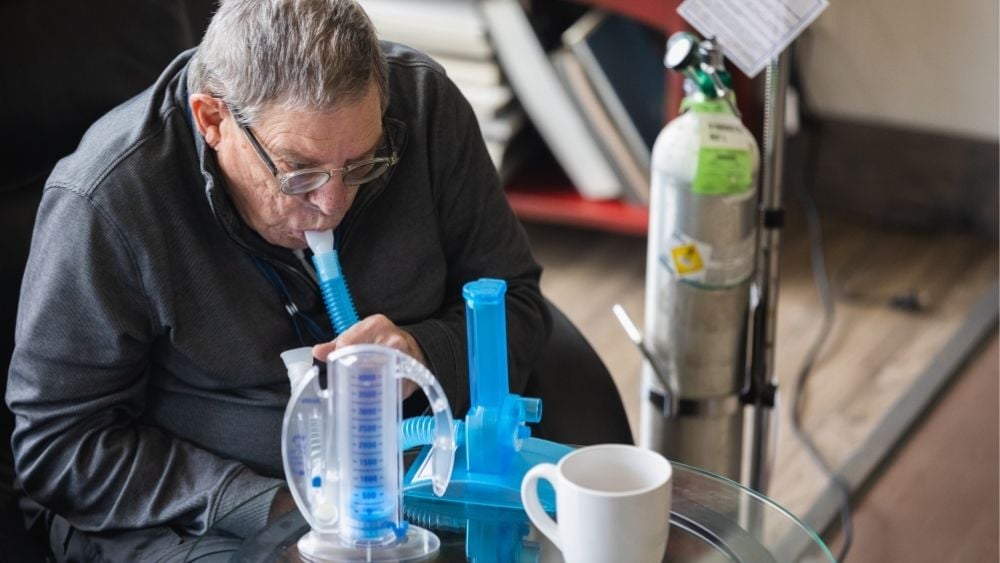
Peak flow testing: Measures how forcefully you can exhale and can help track asthma control over time.
Allergy testing: Skin or blood tests can identify whether allergies are contributing to symptoms.
Blood tests: Providers may check eosinophil, a type of white blood cell linked to inflammation, and immunoglobulin E (IgE), an antibody related to allergic reactions. Elevated levels may be linked to asthma.
Imaging: A chest X-ray or CT scan may be used to rule out other causes of symptoms.
Treatment for mild asthma
Treatment for mild asthma combines medications tailored to how often symptoms occur:
Rescue inhalers: These fast-acting medications, such as albuterol, open the airways during a flare-up or before a known trigger, like exercise.

Daily controller medications: A provider may prescribe a low-dose inhaled corticosteroid to be used regularly to reduce airway inflammation and prevent symptoms. Even in mild disease, inflammation can persist between flare-ups.
Allergy medications: Antihistamines or other allergy treatments may be prescribed if allergies are a significant trigger.
How to prevent asthma flare-ups
Asthma does not have a cure, but flare-ups often can be avoided or minimized by reducing exposure to known triggers.
Reduce allergens at home: Use allergen-resistant bedding and wash linens regularly.
Use air conditioning: Keeping windows closed and running an air conditioner cuts down on pollen and humidity compared with natural air.

Stay current on vaccines: Flu and pneumonia can trigger flare-ups, so get any recommended vaccines and wash your hands with soap & water during peak illness seasons.
Limit cold air exposure: A scarf or jacket covering the nose and mouth can reduce cold air triggered symptoms.
Clean regularly: Prevent mold growth and remove common asthma triggers from your home.
Monitor your breathing: Tracking symptoms and using a peak flow meter, if recommended, can help catch worsening asthma early.
Can mild asthma become severe?
Yes. Asthma severity can change over time, and mild asthma may become more difficult to control if it is not properly managed. Symptoms that become more frequent, increased use of a rescue inhaler, or worsening flare-ups may be signs that your asthma is progressing.
Checking in with your primary care provider regularly can help keep asthma under control and reduce the risk of serious attacks.
When to see a healthcare provider about asthma
See a primary care provider if:
- you have frequent coughing, wheezing, or other symptoms that may be asthma and haven't been evaluated
- you’ve been diagnosed with asthma and need ongoing monitoring
- your symptoms are getting worse, or your medication doesn’t seem to be helping as well as it used to
- you’re relying on your rescue inhaler more often than your action plan calls for

Seek emergency care right away if you or someone else has:
- Rapid worsening of shortness of breath or wheezing
- No improvement after using a rescue inhaler
- Shortness of breath during minimal activity or at rest
- Bluish, whitish, or grayish lips, fingernails, or gums
- Chest pain or pressure
- Difficulty talking or swallowing
- Rapid breathing, or a pale, sweaty appearance
Do people with mild asthma need daily medication?
Usually yes. Even though symptoms are infrequent, many people with mild persistent asthma are prescribed a daily low-dose controller medication because inflammation can be present even without noticeable symptoms.
Can mild asthma go away on its own?
Asthma symptoms can improve significantly with good management and trigger avoidance, and some children see symptoms lessen as they get older.
However, asthma is generally considered a chronic condition that needs ongoing monitoring rather than something that’s cured.
Can mild asthma become severe?
Yes. Mild asthma can become more difficult to control over time, especially if it's not properly managed.
More frequent symptoms, worsening flare-ups, or needing your rescue inhaler more often may be signs that your asthma is getting worse.
What triggers mild asthma symptoms?
Common asthma triggers include pollen, dust, pet dander, mold, smoke, strong odors, cold air, exercise, respiratory infections, and stress.
Knowing and avoiding your triggers can help prevent flare-ups.
When should I see a doctor about asthma symptoms?
See your primary care provider if you have frequent coughing, wheezing, shortness of breath, or chest tightness. If you have asthma, contact your provider if your symptoms are worsening or your medications are not working as well as they should.
Seek emergency care right away if you have severe difficulty breathing or symptoms that do not get better with a rescue inhaler.

Related Articles