Key Takeaways
- Sun poisoning is a term used to describe severe sunburn; there is no actual poison involved.
- Severe sunburn or sun poisoning makes skin white or leathery looking, blistering, and feeling numb. You may also feel fatigue, dizziness, shivering, and pain.
- Get out of the sun, hydrate, and use an aloe vera gel or cream to reduce pain. If your skin is deeply red or turning white and blistered, visit an urgent care.
Whether you want virtual urgent care on demand, an urgent care location, or a primary care provider, we are here for you. Easily schedule appointments or find walk-in care when and where needed.
Spending time out in the sun during the summer months is a joy, especially for those of us living in New York.
At the same time, being out in extreme heat and full sunlight can lead to sunburn. If left untreated, sunburn can become severe.
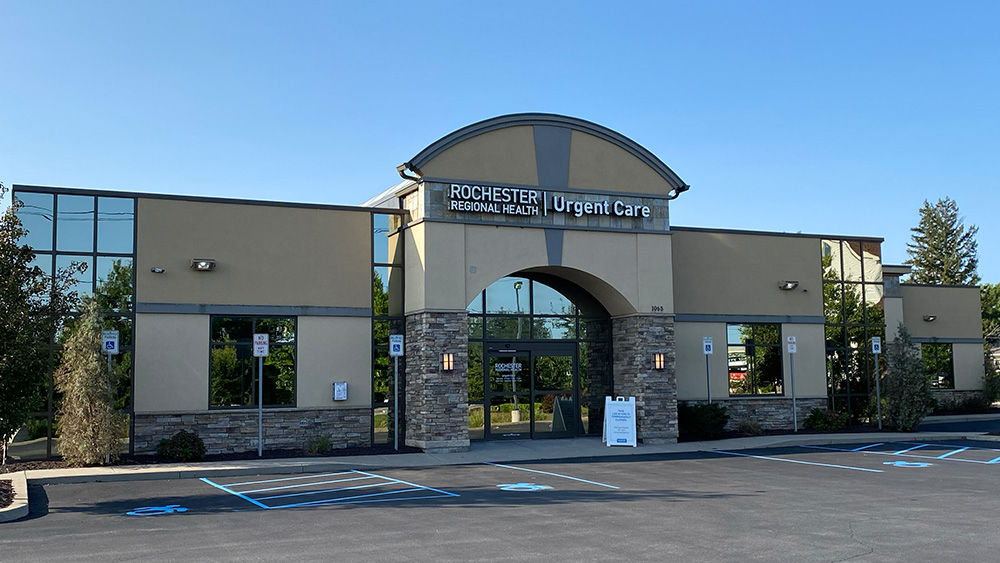
We asked Karolina Micalos, NP, who works at RRH Urgent Care in Webster, to explain sunburn, sun poisoning, and share ideas on how to prevent sun-related illnesses.
What is sun poisoning?
Sun poisoning is not a formal medical diagnosis; it is a term used by regular people to describe as a moderate to severe sunburn.
Most people who spend time outdoors in the summer sun will develop a sunburn if they do not protect their skin.
Sunburn and sun poisoning symptoms
Mild sunburn
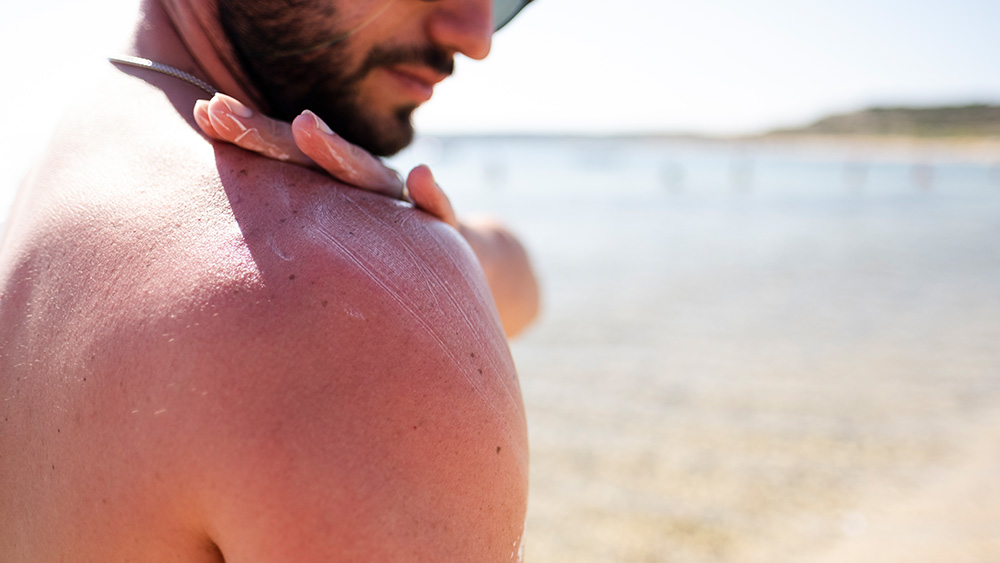
Many children and adults are familiar with a mild to moderate sunburn caused by leaving your skin directly exposed to direct sunlight for long periods of time.
In addition to skin becoming red and irritated, symptoms of mild sunburn include
- feeling warm
- slight swelling
- peeling/flaky skin after 1-2 days
- mild fatigue
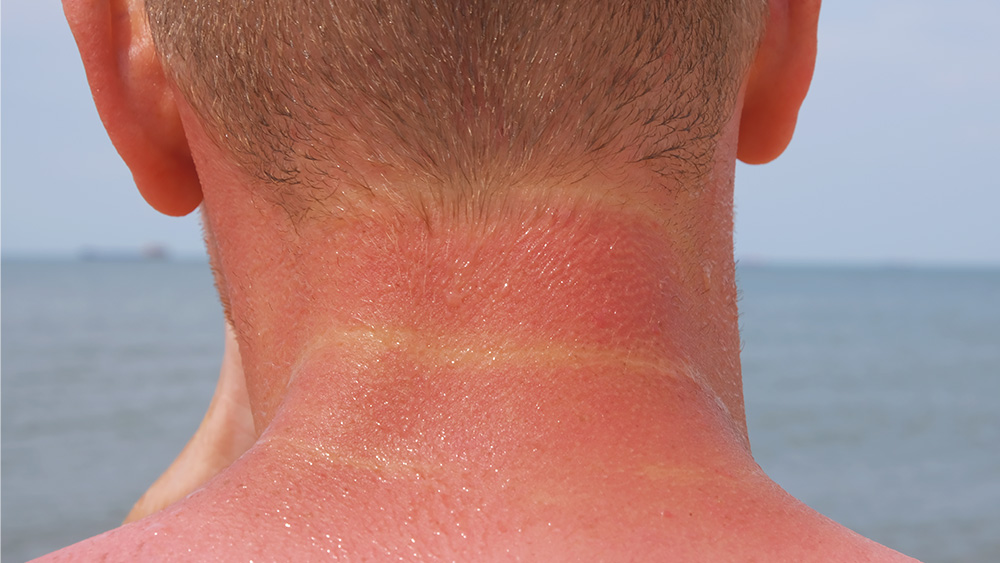
With a more moderate sunburn, the effects on the skin and rest of the body are more pronounced, including:
- very red skin
- blisters
- skin appearing wet
- slight skin discoloration
- fever
- headaches
- muscle cramps
- confusion
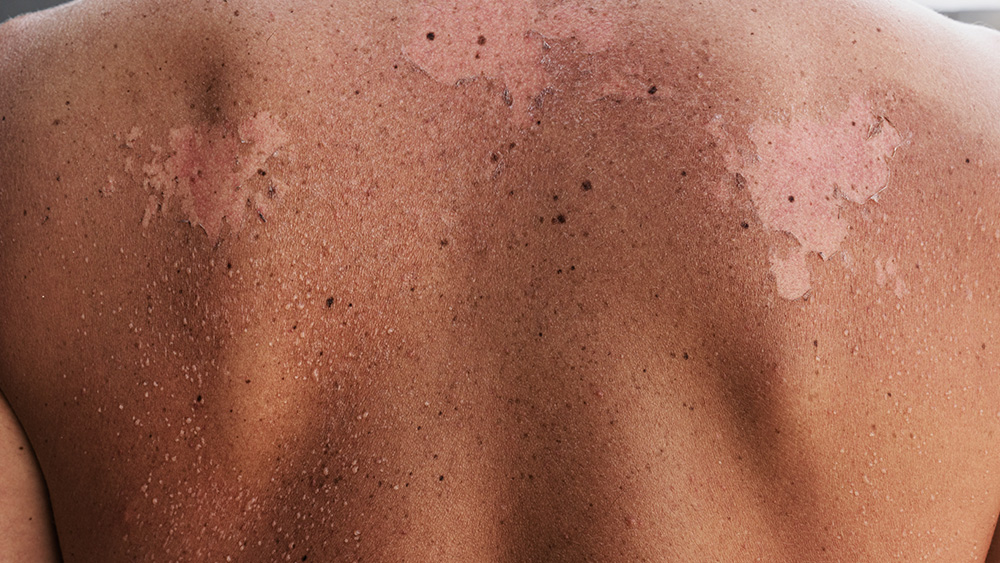
Sun poisoning
When sun damage becomes severe, some people may refer to its effects as sun poisoning.
Severe sunburn symptoms include any of the signs of mild or moderate sunburns, as well as:
- numb skin
- skin appearing white or dull
- leathery-looking burns
- shivering
- shortness of breath
If left untreated, sun poisoning may leave permanent damage.
“Damaged, prematurely aged skin and increased skin cancer risk are two of the most long-lasting effects of severe sunburn,” Micalos said.
Treating sunburn and sun poisoning
As soon as you start to notice your skin burning, do your best to get out of direct sunlight.
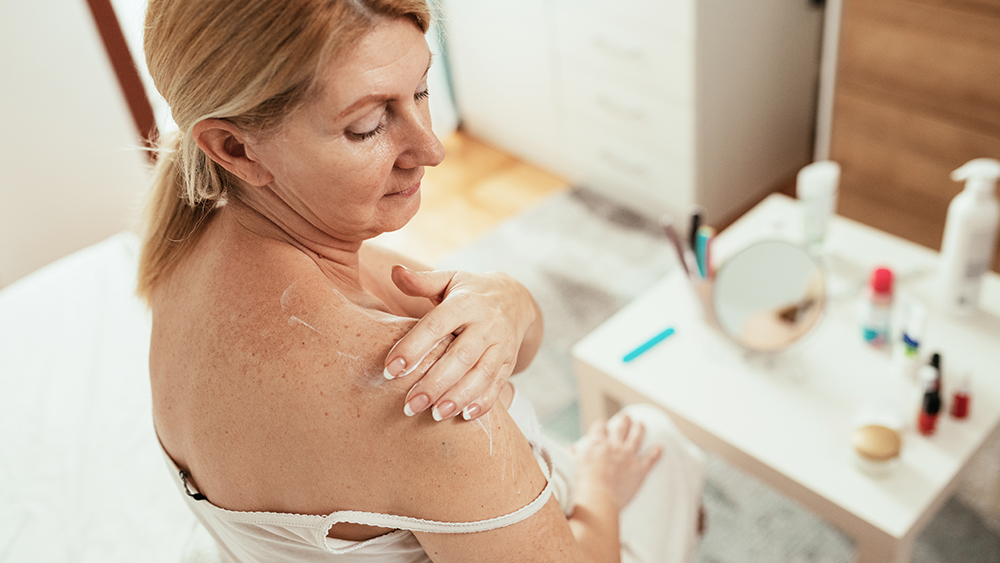
Apply aloe vera gel or cream to cool and hydrate your skin. This will also reduce any burning sensation or pain. Drink water to rehydrate your body and cover your skin with loose-fitting clothing, especially if you are going to remain outside.
If your skin is a deep red color or turning white or grey and blistering, you should consider visiting an urgent care to seek treatment.
Best ways to prevent sun poisoning
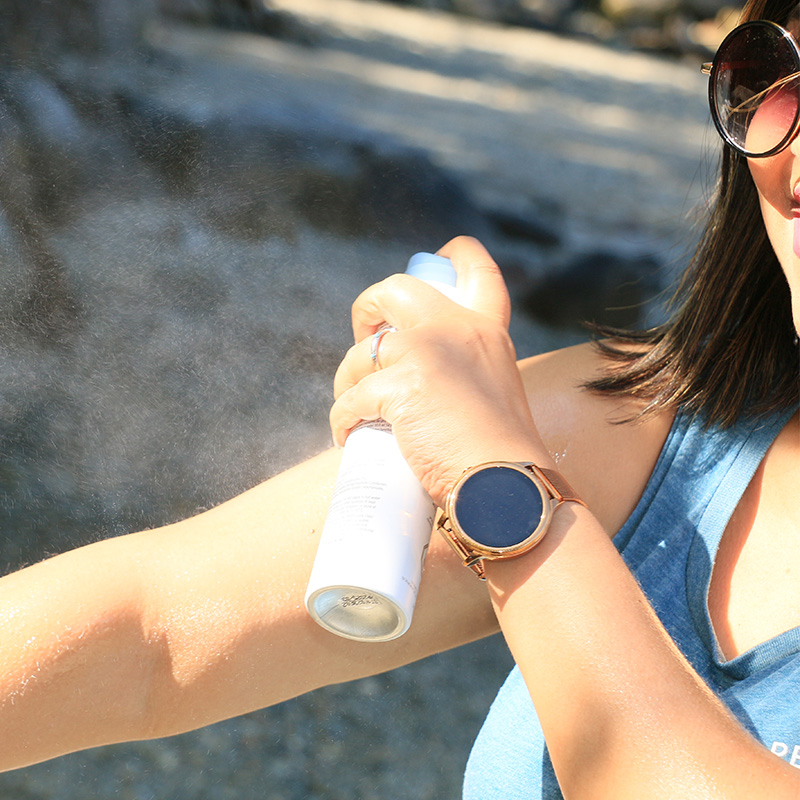
Preventing any degree of sunburn or sun poisoning starts with knowing your environment. If you are going to be outdoors and expose your skin to the sun, use sunscreen with at least SPF 30.
Cover up: Wear loose-fitting, light-colored clothing that will keep your body from sweating too much or attracting too much sunlight. This includes a hat to protect your scalp.
Drink water: Hydration benefits your body many ways, especially during hot summer weather. This will keep your skin from drying out in the sun and protect it from intense sun exposure.
Check the clock: Peak hours for UV rays from sunlight are between 10 am and 4 pm. Limit the amount of time you spend outside during these times to reduce your risk of skin damage.
Skin cancer screening: Know your risk for skin cancer and do a self-check or visit a dermatologist to have a skin cancer screening done.
“You need to be a little extra careful during summer days,” Micalos said. “Taking the right precautions to protect your skin from the sun will be good for your body in the end.”
Explore Care For Patients Like You
Related Articles