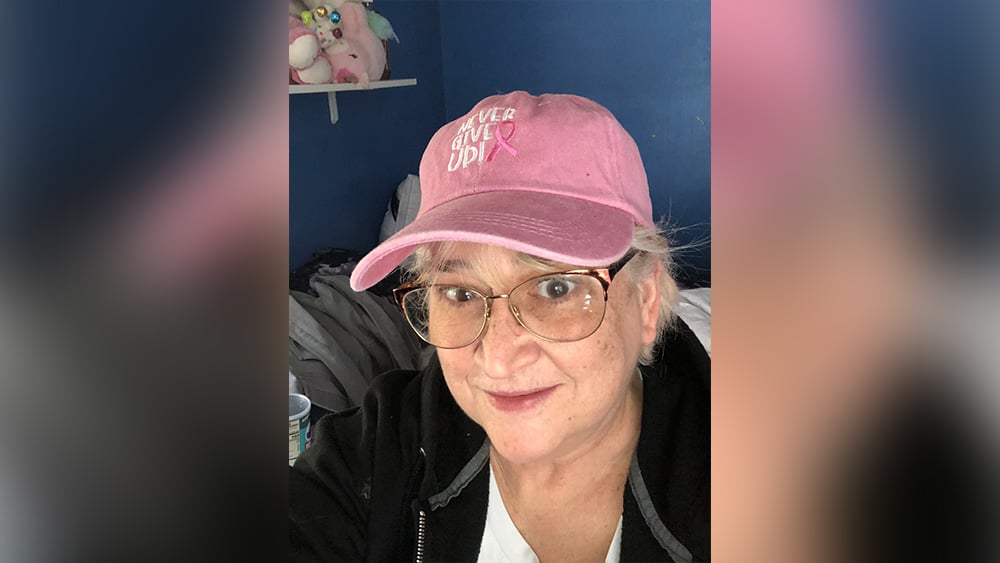
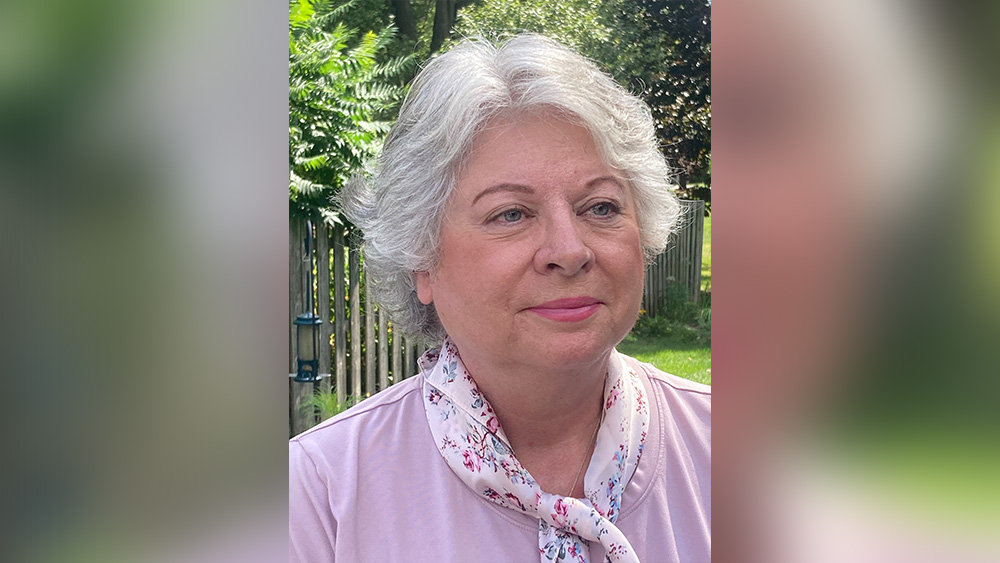
Patricia Sevier knew about breast cancer from career and personal experience.
For decades, Patricia, who everyone calls ‘Trish’, worked as a radiology technologist with Rochester Regional Health. She saw and talked with hundreds of women who needed to go through routine mammograms or follow ups.
Even when her career changed and Trish shifted away from being in a hospital, those stories stuck with her and made an impact as she traveled across the country working with an imaging technology company.
“I’ve had a lot of conversations with a lot of women,” Trish said. “It was really engaging and educational – it was a good thing to have.”
Trish’s own experience with breast cancer
With the knowledge from her professional experience and her own family history, Trish started getting regular mammograms when she turned 40 as recommended by the American College of Radiology.
“My mother had cancer in both breasts, my sisters and aunt also had it, so based on that, I never skipped my mammograms” Trish said.
For more than 25 years, Trish got her annual mammogram done, then left and got the results via a phone call or text message. Then in 2024, she went to have her imaging done but decided to wait at the clinic for the results this time.
They called her back in that same day for additional imaging, including ultrasounds and a biopsy.
“Based on my experience as a mammogram technician, I was pretty sure I knew why I was getting extra views,” Trish said.
Her suspicions were correct, and Trish was diagnosed with invasive lobular breast cancer – a common type of breast cancer.
The next day, Trish scheduled an appointment with Kelly Krupa, MD, who would perform her surgery less than a month later.
“She was just wonderful,” Trish said. “She was so giving and kind and warm and thorough in her explanations of everything.”
Trish had a lumpectomy performed and had three lymph nodes removed, all of which were negative for breast cancer. Following the surgery, she had full breast radiation and three localized radiation boosts.
Following her treatment, she started hormone replacement therapy for five years. Now she sees Dr. Krupa, a medical oncologist, and her cancer team to check in every six months.
Moving through breast cancer treatment to survivorship
In the time since Trish completed her treatment, she has branched out to meet with other breast cancer survivors to discover what a post-breast cancer treatment life looks like.
Now 72 and living in Penfield, Trish has joined the Breast Cancer Coalition and taken part in some of their programs – including exercise programs and visiting speakers. She also joined the LiveStrong program at YMCA of Greater Rochester, which brings cancer patients and survivors together for twice-a-week training sessions alongside YMCA-certified fitness instructors.
“I spend my time doing whatever I want. After that year I went through, it’s a beautiful thing,” Trish said.
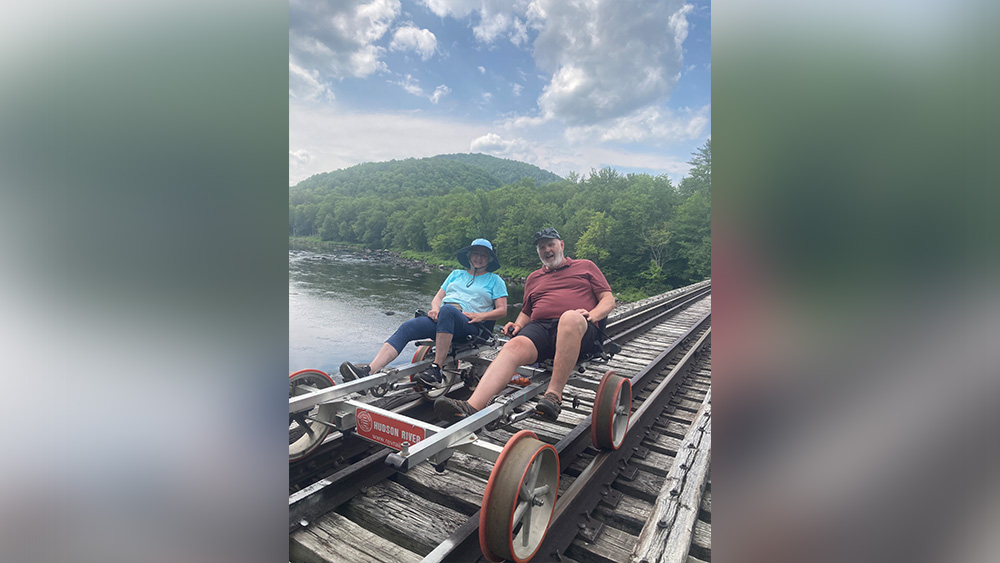
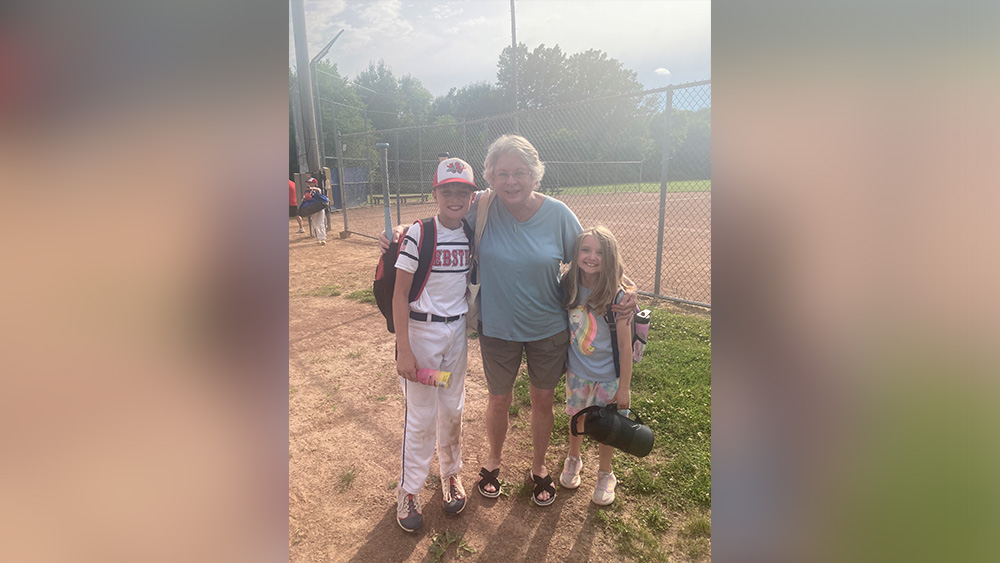
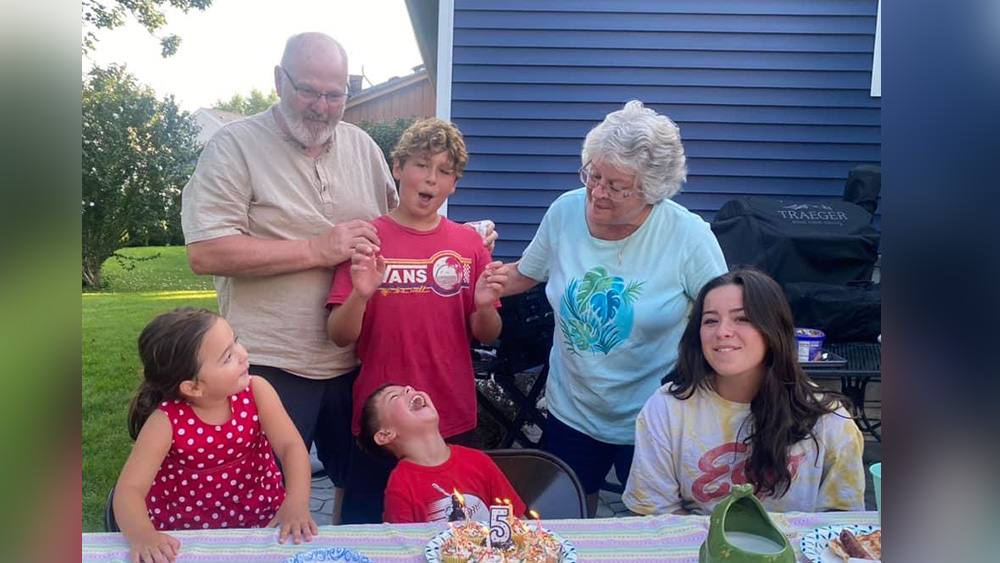
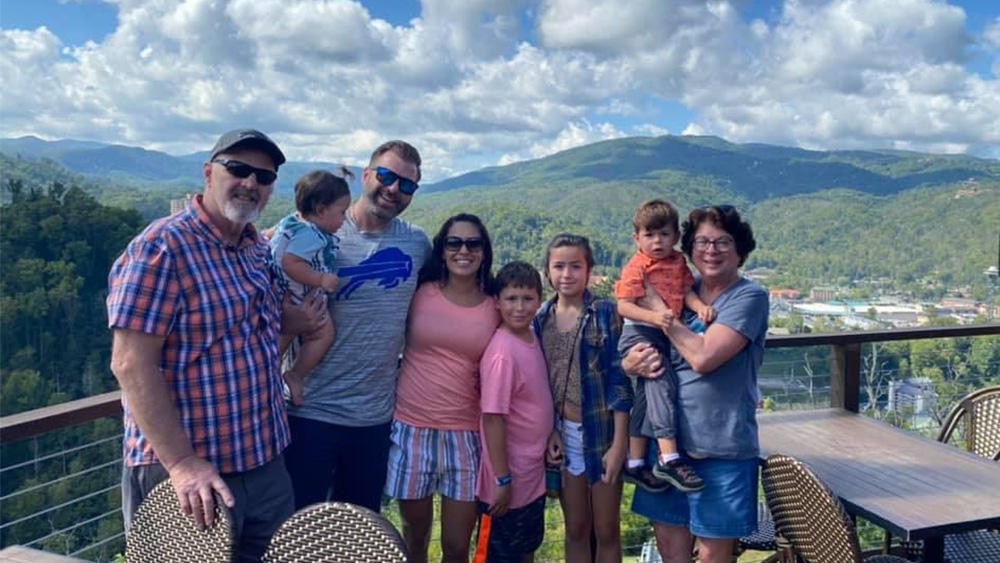
That time includes gardening, walking, and enjoying the company of her children and six grandchildren. Trish and her husband also travel in an RV and abroad – visiting Amsterdam, Germany, France, and Switzerland over the last year or so.
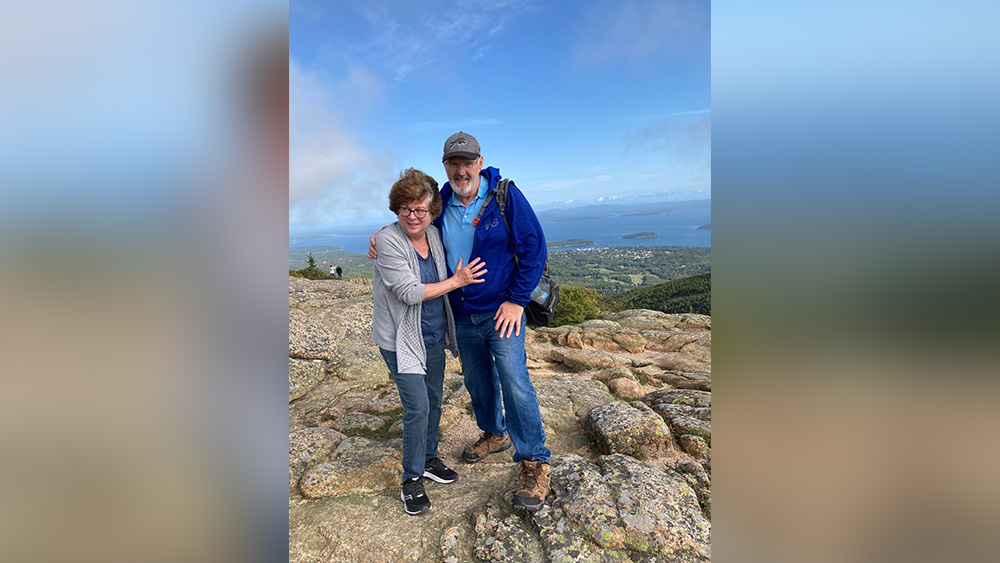
Having talked with so many women about mammograms, Trish knows there are plenty of reasons why women avoid getting them done – but the benefits are so much more important than any other inconvenience.
“This is less than a few seconds to do something that could save your life. It’s still the best tool we have to find it,” Trish said.
Take our online breast cancer screening assessment to find out.
Related Articles