Emergency Medical Services
Emergency Medical Care and Transports
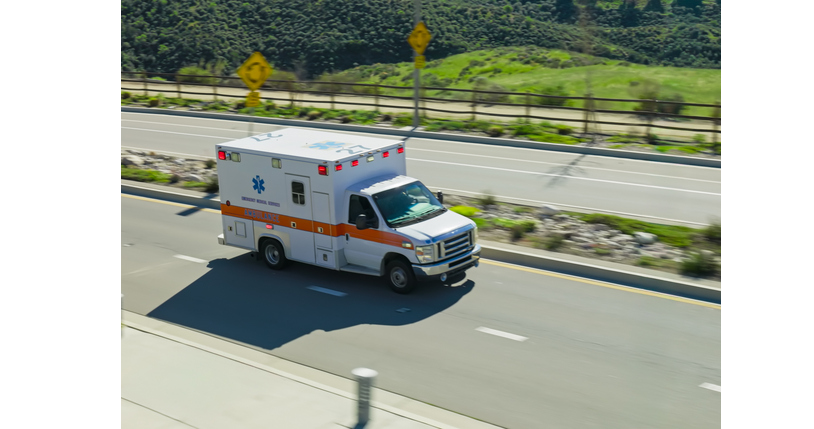
When every second counts, our dedicated Emergency Medical Services (EMS) team is ready to respond with life-saving care—wherever you are in the St. Lawrence Region. With EMS stations in Gouverneur and Massena, we coordinate with all hospitals across the region to deliver expert, compassionate care from the moment we arrive until you safely reach the care you need.
Highly Trained. Rapid Response. Compassionate Care.
Emergency Response
24/7 emergency response with on-scene assessment, treatment, and Advanced Life Support (ALS) or Basic Life Support (BLS) services.
Patient Transports
Critical care, specialty, and interfacility transport services that help patients safely reach the care they need.
Mobile Integrated Health
Community-based healthcare support that helps high-risk patients remain safe and healthy at home.
Highly Trained and Qualified EMS Professionals
Our EMS team includes dispatchers, drivers, emergency medical technicians (EMTs), advanced emergency medical technicians (AEMTs), paramedics, and critical care transport paramedics (CCTP) who work together to provide emergency medical care, patient transportation, and coordinated support throughout the St. Lawrence Region. Team members maintain specialized certifications and ongoing training to deliver safe, high-quality care.
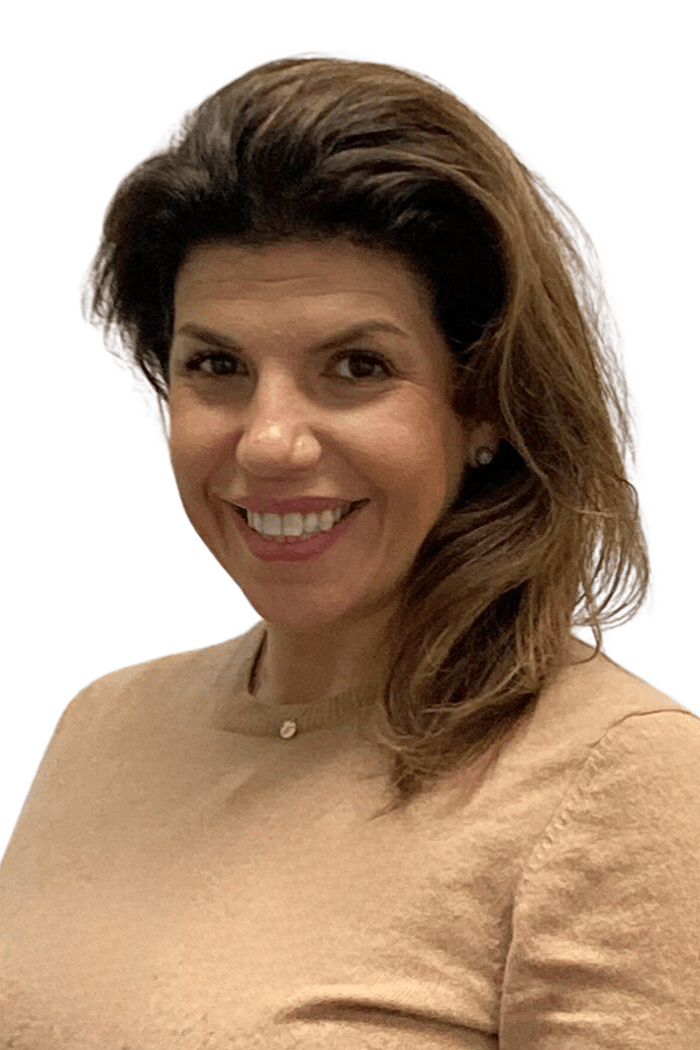
Meet Our EMS Medical Director
Mary C. Slome, MD
Mobile Integrated Health
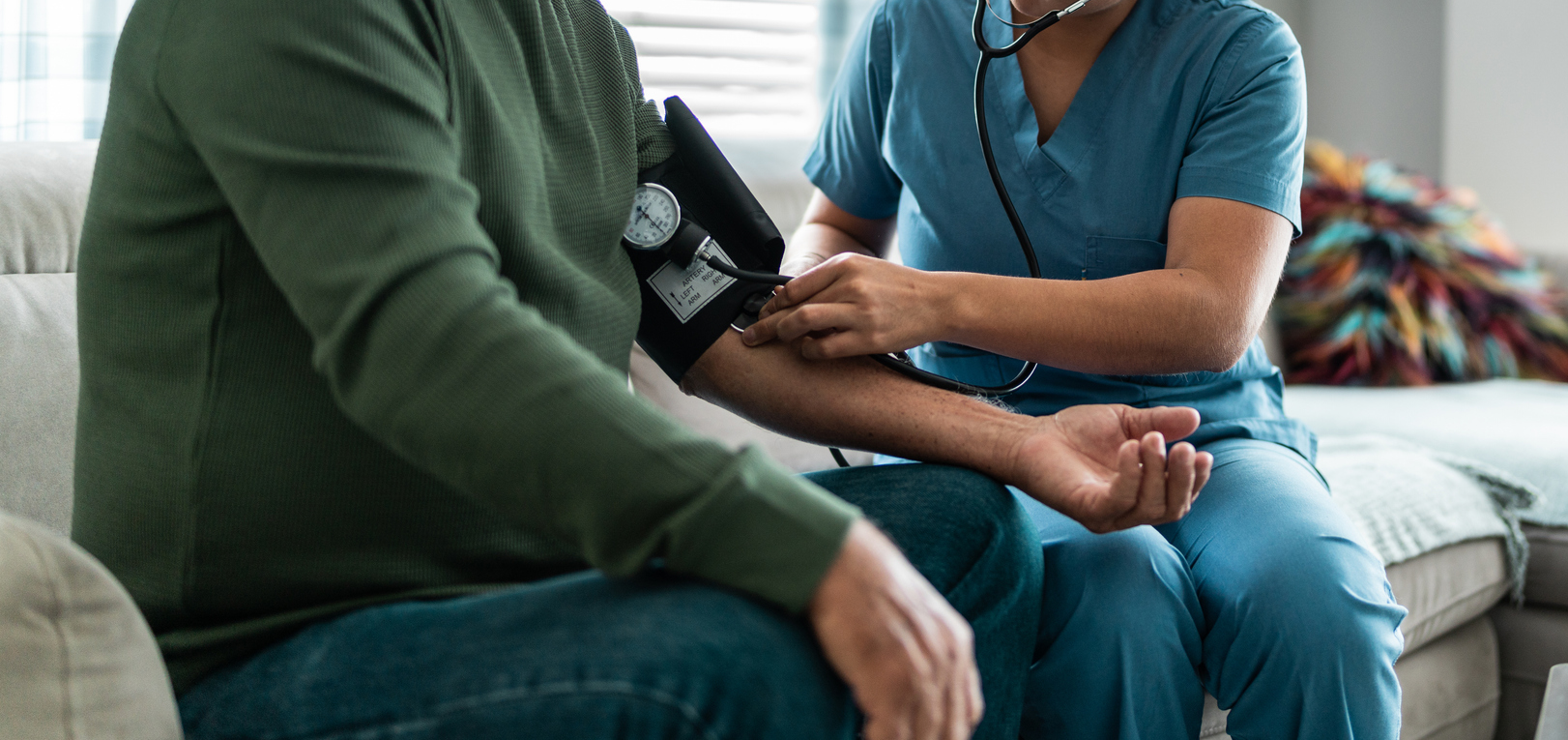
Mobile integrated health is a grant-funded innovative approach to the delivery of health services by EMS professionals, which allows them to use their training and expertise in a community-based, non-emergency care role.
Who is Eligible?
This program is designed for high-risk individuals living with complex medical conditions such as diabetes, chronic obstructive pulmonary disease (COPD), congestive heart failure, or other health challenges that may increase the risk of falls or hospital visits. It also supports patients who need additional assistance to safely manage their health and maintain independence while living at home.
Ways We Can Help
- Conduct scheduled and unscheduled in-home visits
- Assist with medication management
- Perform home safety evaluations to help reduce fall risks
- Complete patient assessments and monitor vital signs, including blood glucose, oxygen saturation, 12-lead EKGs, temperature, and more
- Educate patients and caregivers on health, safety, and disease management
- Help prevent unnecessary emergency department visits and hospital admissions
- Connect patients with community resources and support services
Questions? Contact us at MIHSpecialist@rochesterregional.org.
Frequently Asked Questions
If I call 911, will I be transported to Rochester?
No, EMS professionals transport patients to the most appropriate care facility based on your medical needs and the severity of your condition. In many cases, you can receive the care you need at your local hospital.
When should I call 911?
Call 911 for serious or life-threatening symptoms such as chest pain, stroke symptoms, difficulty breathing, severe bleeding, or loss of consciousness. If symptoms are severe, do not drive yourself—EMS can begin care right away.
What are the signs of a stroke?
Signs of a stroke may include sudden numbness or weakness (especially on one side of the body), confusion, trouble speaking, vision problems, dizziness, or loss of balance. Call 911 immediately if you notice these symptoms.
What are the symptoms of a heart attack?
Heart attack symptoms may include chest pain or pressure, discomfort in the arm, back, neck, jaw, or stomach, shortness of breath, nausea, or lightheadedness. Call 911 immediately if these symptoms occur.
Should I drive myself to the hospital during an emergency?
If symptoms are severe, do not drive yourself. EMS professionals can begin treatment on the way and communicate with the hospital to prepare for your arrival.
What happens when EMS arrives?
EMS will assess the patient, begin treatment, and determine the best course of care, including whether transport to the hospital is needed.
Can EMS treat me without taking me to the hospital?
In some cases, EMS may provide care on scene and discuss next steps with you. Patient safety is always our top priority.
Can I choose which hospital I'm taken to?
When appropriate, patient preference is considered. However, EMS may recommend or transport to the closest or most appropriate facility based on the medical situation.
Will I receive a bill for EMS services?
Yes, EMS services are typically billed. Coverage depends on your insurance plan.
What if I don’t have insurance?
Care is provided regardless of ability to pay. Financial assistance options may be available.
How can I prepare for an emergency?
Keep a current list of medications, allergies, emergency contacts, and your primary care provider's information easily accessible. Having this information available can help EMS provide faster, more effective care.
How can I make my home easier for EMS to find?
Make sure your home address is clearly visible for first responders. Use visible, well-lit address numbers, keep driveways clear, and provide clear directions if you live in a rural or remote area.
What information should I provide when calling 911?
Be ready to share the address of your location, what happened, the person's condition, and any known medical history. Stay on the line and follow the dispatcher's instructions.
How else can I prepare for a medical emergency?
Consider designating someone to meet EMS at the entrance of your property, securing pets when possible, and learning basic first aid or CPR. A little preparation can help emergency responders focus on providing care when every second matters.
Why is emergency preparedness important?
Being prepared allows EMS professionals to provide care more efficiently during an emergency. Having important medical information available and ensuring responders can easily locate your home can help save valuable time.
Where should I keep my MOLST form?
Our EMS professionals are trained to look for MOLST forms on your refrigerator.
Related Articles