

Key Takeaways
- Gonorrhea, chlamydia, trichomoniasis, and syphilis are some of the most commonly treated STDs.
- STDs don’t always have symptoms. If they do, they typically include unusual discharge, genital sores or warts, itching, soreness, or bleeding.
- Most STDs can be treated with antibiotics or a shot. However some can only be treated for symptoms.
Sexually transmitted diseases (STDs) are far more common than many people realize. Roughly 1 in 5 people living in the U.S. has a sexually transmitted infection with more than 20 million new cases diagnosed each year.
At Rochester Regional Health urgent cares, we offer testing and treatment for some of the most common STDs. If you think you might have an STD, you can visit an urgent care in the Rochester or Finger Lakes area for discrete testing.
Parker Remelt, PA-C, is a lead physician assistant who works at our Rochester Regional Health urgent care locations. He explains the symptoms and treatments of some of the most common STDs he sees and how to prevent them.
Common STDs and STIs treated at urgent care
Gonorrhea
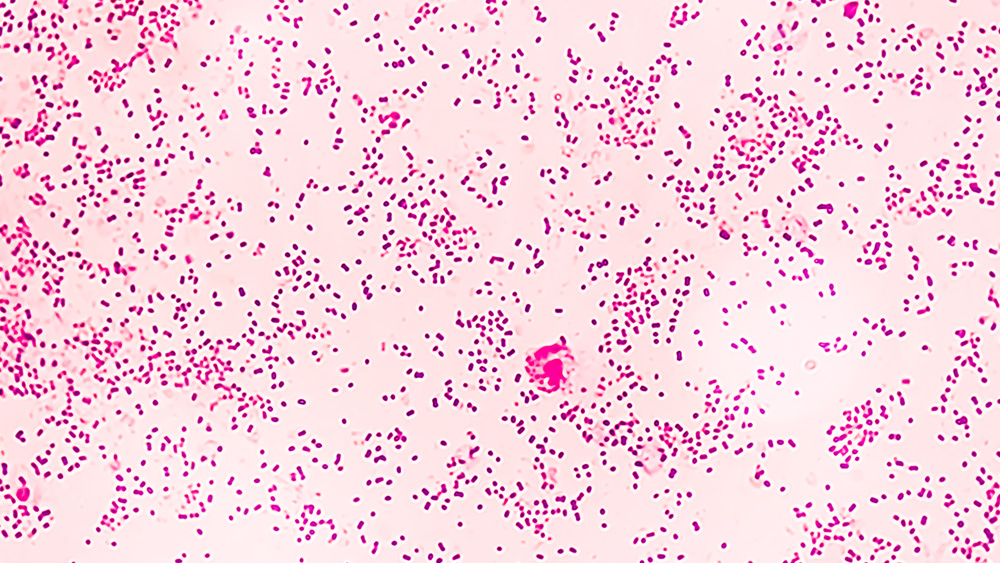
Gonorrhea is a bacterial infection that is sometimes referred to as ‘the clap.’ It can be transmitted from person-to-person through vagina, oral, or anal sex.
Symptoms include pain when urinating and unusual discharge for both men and women. Women may also have bleeding between periods.
Gonorrhea is diagnosed by a swab for women and urine sample for men. Once a diagnosis is confirmed, the infection is treated using antibiotics that are prescribed by a provider.
Chlamydia
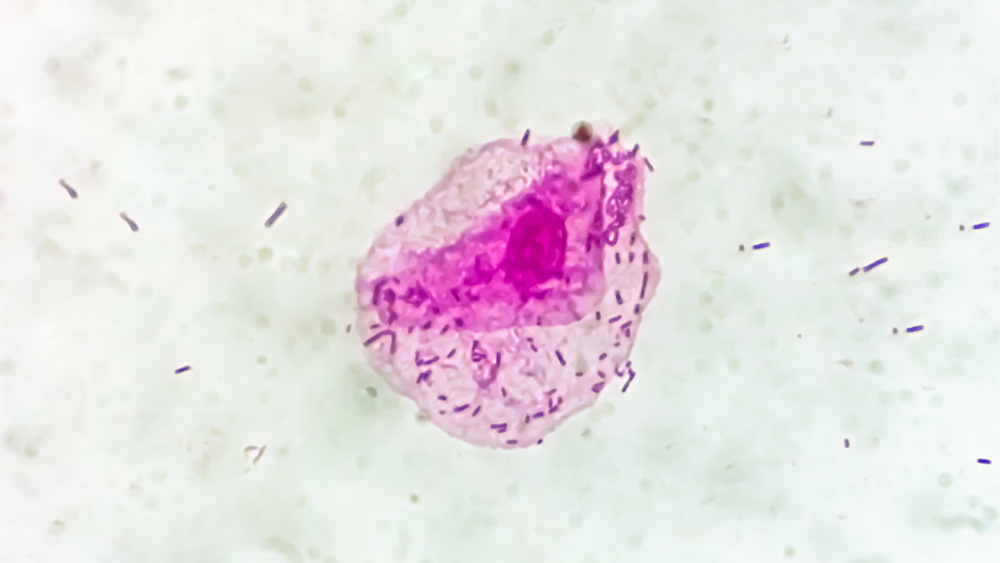
Chlamydia is a bacterial infection that can re-infect people who have had an infection before. This STD is transmitted through anal, oral, and/or vaginal sex.
For both men and women, symptoms of chlamydia include a burning sensation while urinating and unusual discharge. If the rectum is infected, it can lead to pain, discharge and bleeding.
Chlamydia is diagnosed using a urine sample or vaginal swab. Treatment is prescribed as an oral antibiotic.
“We normally encourage waiting until testing has confirmed a diagnosis of a sexually transmitted infection before initiating treatment,” Remelt said. “Rates of resistance to antibiotics are increasing locally and we are trying to be as responsible as possible when treating these conditions to not increase resistance.”
Trichomoniasis
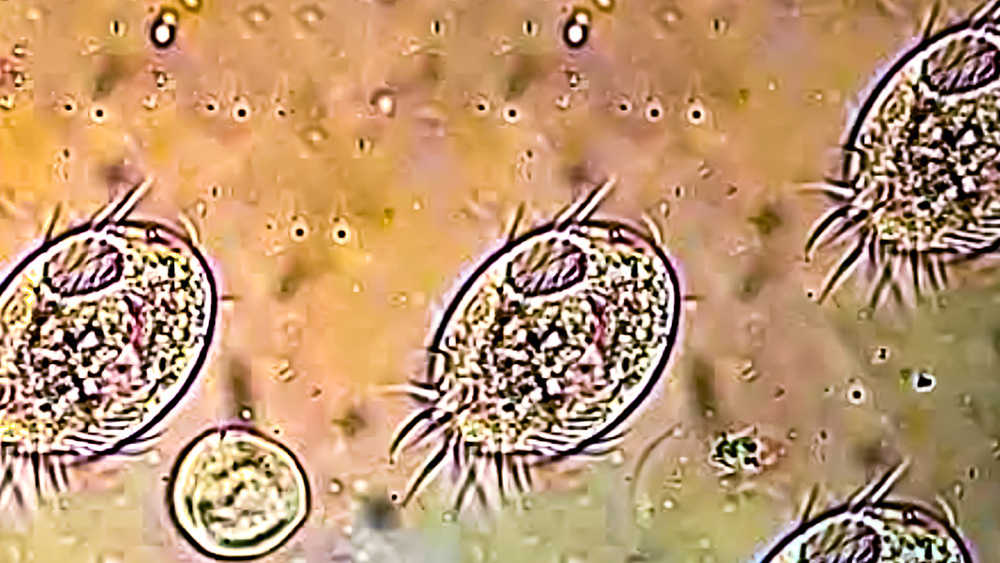
Trichomoniasis is caused by a parasite that spreads from person to person during sex, most often vaginal sex.
Symptoms are similar for men and women with itching and burning genitals and urination, as well as unusual discharge. For women, painful sex and a vaginal odor are signs of an infection.
A healthcare provider will swab the affected area for women or take a urine sample for men to test for trichomoniasis. If the test comes back positive, an antibiotic will be prescribed.
Syphilis
Syphilis is a bacterial infection that can spread through oral, anal, or vaginal sex.
Symptoms don’t always appear right away. If they do, symptoms include a small, painless sore or a skin rash on your hands or feet that doesn’t itch. Many people don’t notice symptoms for years.
Providers will check for syphilis using a blood sample that tests for specific antibodies.
If caught early, syphilis can be cured using antibiotics.
Herpes Simplex Virus (HSV)
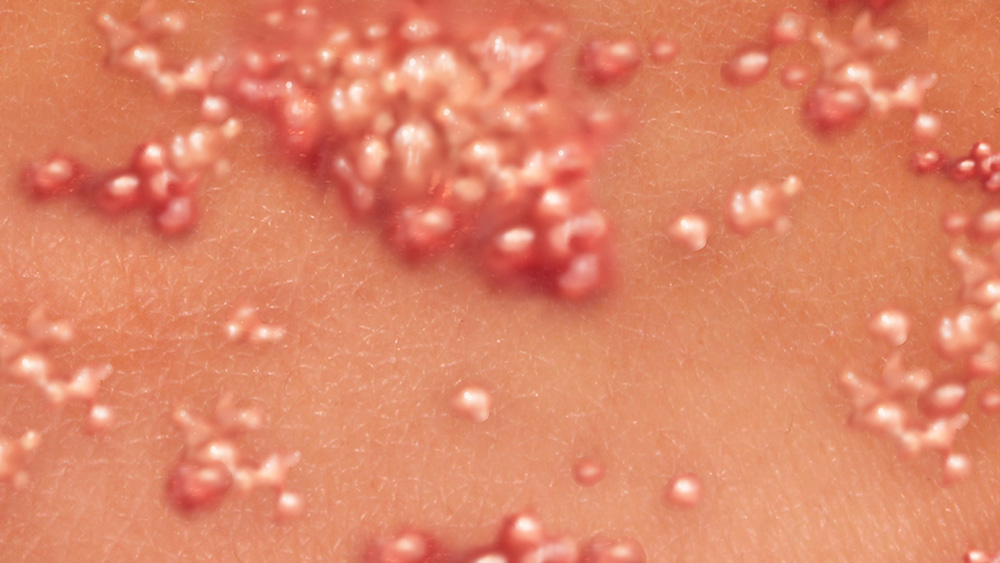
HSV is a viral infection transmitted from person to person through vaginal, oral, or anal sex. Herpes usually shows up in the form of sores where the virus entered the body; some people don’t develop sores at all.
Providers will diagnose herpes by swabbing a sore, then sending it out for a test.
Unlike most other STDs, HSV (herpes) does not have a treatment that cures the virus.
Providers can prescribe an antiviral medication that reduces the severity of symptoms. They also suggest washing the sores gently using soap and water, then patting them dry. Taking acetaminophen or ibuprofen for pain relief can help as well.
Herpes outbreaks typically go away within 1-2 weeks.
Testing for other STDs
Testing through blood work is available for patients who may have other STDs, including:
- HIV
- Hepatitis B
- Hepatitis C
Results are usually sent to a lab and return in 24-48 hours with results.
Preventing STDs
There are two straightforward ways to prevent most sexually transmitted disease.
The first is not having sex at all. The second is using male condoms every time you have sex. Whether engaging in vaginal, oral, or anal sex, using a male condom is highly effective at preventing an STI.
“Using protection is especially important when having sex with a new partner,” Remelt said. “Aside from preventing pregnancy, avoiding unwanted sexually transmitted infections or diseases is very important.”
Talk about STIs with your partner and getting tested if you think an infection is possible.
Whether you want virtual urgent care on demand, an urgent care location, or a primary care provider, we are here for you. Easily schedule appointments or find walk-in care when and where needed.
Related Articles