
Key Takeaways
- Heart failure happens when the heart cannot pump blood as well as it should, which can cause fatigue, shortness of breath, and fluid buildup.
- With an early diagnosis, heart failure patients can start treatment quickly. This will help them feel better, stay active, and avoid hospital visits.
- The Sands-Constellation Heart & Vascular Institute offers advanced heart failure care, including specialized medications, infusion therapies, pharmacists, and nurse navigators.
Our experts are specially trained to evaluate, treat and provide acute and long-term care for people with any stage of heart failure. We strive to provide expert care that results in improved outcomes, no matter how complex the case.
Heart failure affects roughly 6.7 million adults living in the U.S., according to the CDC. There are several types of heart failure that are described by the problem the heart is having.
Congestive heart failure happens when the heart cannot pump blood as well as it should. Sometimes the heart is too weak to pump blood. Other times, the heart is too stiff and cannot relax to fill all the way up with blood.
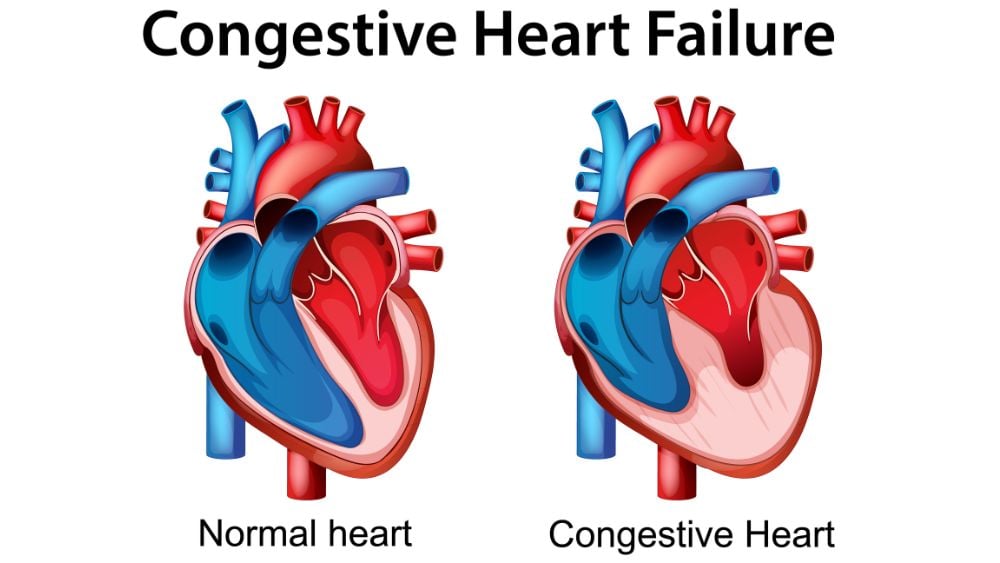
When the heart is unable to move blood the way it should, fluid gets backed up into the lungs, legs, and abdomen – which can cause heart failure.
Tricia Oates, PA, works as the lead advanced practice provider for heart failure patients at the Sands-Constellation Heart & Vascular Institute at Rochester General Hospital. She explains the causes and risk factors related to congestive heart failure, how it is diagnosed, and how patients can manage the condition.
What causes congestive heart failure?
Congestive heart failure is a chronic condition that has many different causes. Some of these include:
- coronary artery disease (blocked arteries)
- high blood pressure
- heart valve disease
- heart arrhythmias (abnormal heart rhythms)
- genetic mutations

People with certain diseases or health conditions have a higher risk of developing congestive heart failure, such as:
- diabetes
- obesity
- chronic kidney disease
- sleep apnea
- family history of heart disease
- age
Lowering your risk of congestive heart failure
If you or your loved one has a higher chance of developing heart failure symptoms or are already showing early signs, there are immediate steps to take to reduce that risk.
Control blood pressure: Reducing your salt intake, getting better quality sleep, and drinking more water each day can help to regulate your blood pressure.
Stay active: Getting 30 minutes of physical activity 5 days a week is strongly encouraged by heart experts. Start small and work your way up.
Maintain a healthy weight: Everyone’s body is different, so a healthy weight looks different too. Work with your primary care provider to keep a weight that makes sense for you.
Manage diabetes: If you know your blood sugar is not in the proper range, take the steps to bring it under control. This helps your whole body stay healthy.
Quit smoking: Tobacco is very unhealthy for your lungs and heart. Every day you are not smoking, your heart is getting healthier.
Reduce or eliminate alcohol: Having 1-2 drinks is considered moderate by most health experts. For patients with certain heart rhythm disorders or heart failure, however, alcohol should be avoided altogether.
Warning signs of congestive heart failure
“Someone might start to notice symptoms of congestive heart failure all at once or they might see them build gradually,” Oates said. “It looks different for different people.”
These symptoms often look like:
- fluid buildup (edema)
- shortness of breath
- worsening fatigue
- can’t walk far without being out of breath
- shortness of breath while lying flat
- weight gain from fluid retention
- feeling bloated
- decreased appetite
Diagnosing congestive heart failure
The process of diagnosing a potential congestive heart failure patient begins with having a conversation between the patient and their provider. Whether the person brings up their concerns to their primary care provider or their cardiologist, they should bring up any concerning symptoms.

How doctors test for congestive heart failure
The provider will do a physical exam and then order tests and imaging, which often includes:
- blood tests (check for elevated levels of certain biomarkers)
- EKG (records electrical signals of the heart)
- chest x-ray (shows size and shape of heart)
- echocardiogram (ultrasound to see how well the heart squeezes and relaxes)
Cardiology providers may also do a lab test called an NT-proBNP, which helps them figure out if the heart is under stress.
“Some patients may need more imaging and diagnostic testing to help their cardiology team determine what the cause of the symptoms are and find the next steps toward a treatment path,” Oates said.
Can congestive heart failure be reversed?
Heart failure is a serious health diagnosis. Each patient’s medical history, genetics, lifestyle, and symptoms are different. For that reason, heart failure patients will see different levels of improvement.
By following their treatment plans and working closely with their heart health care team, patients can live for decades with heart failure.
“A heart failure diagnosis is serious, but not hopeless,” Oates said. “There are so many advances in medications, devices, and other specialized care that have really improved outcomes.”
Managing congestive heart failure
Most heart failure patients take a specific combination of medications (Guideline-Directed Medical Therapy or GDMT) that is proven to help them live longer, feel better, and avoid repeated hospital visits.
Patients are also encouraged to limit their salt intake, manage other health conditions that affect their heart, stay physically active, and monitor their daily weight.
“We work closely with our patients with the goal of helping them feel better and avoid hospitalization,” Oates said.
How Sands-Constellation Heart & Vascular Institute is different
The cardiology team at the Sands-Constellation Heart & Vascular Institute is highly skilled, well trained, and have strong experience that guides their decision making and collaboration with patients.
Heart failure patients work closely with a dedicated heart failure pharmacist who helps to determine their exact dosage of each medication and therapy, and plans their diabetes management.
Patients have access to IV Lasix and all-day Lasix infusions to help to remove fluid buildup, as well as IV iron infusions for anemic heart failure patients. These IV therapies reduce the chances of repeated visits to the hospital.
Perhaps most importantly, heart failure patients at Rochester Regional Health are paired with nurse navigators who review their medications, provide them with additional education, help them through appointments, let them know what symptoms to look for, and are available to answer any questions through a direct phone line to their office.
“All these things together serve our goals of helping patients not only feel better but stay out of the hospital as much as possible,” Oates said.
Related Articles





.jpg?h=563&iar=0&w=1000)