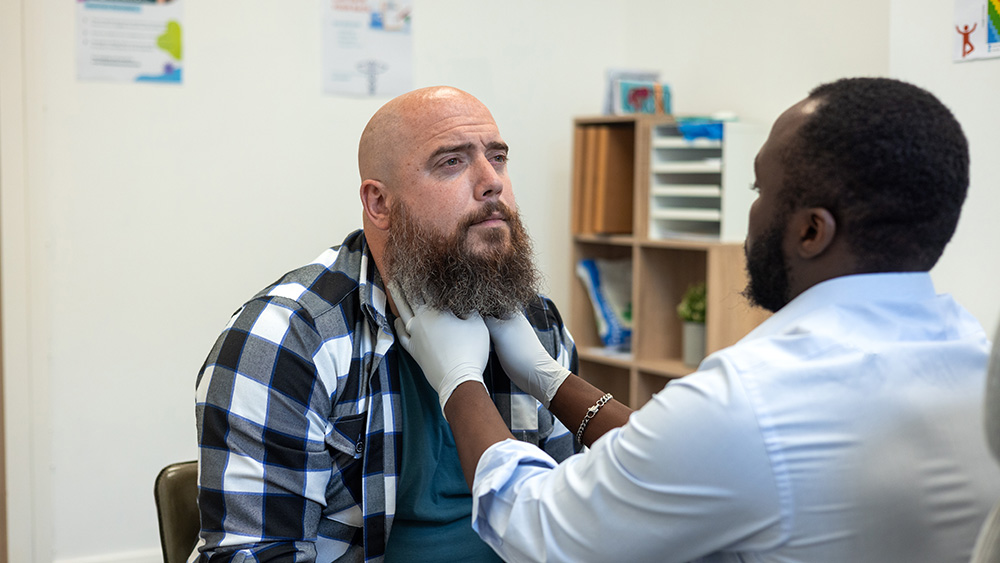
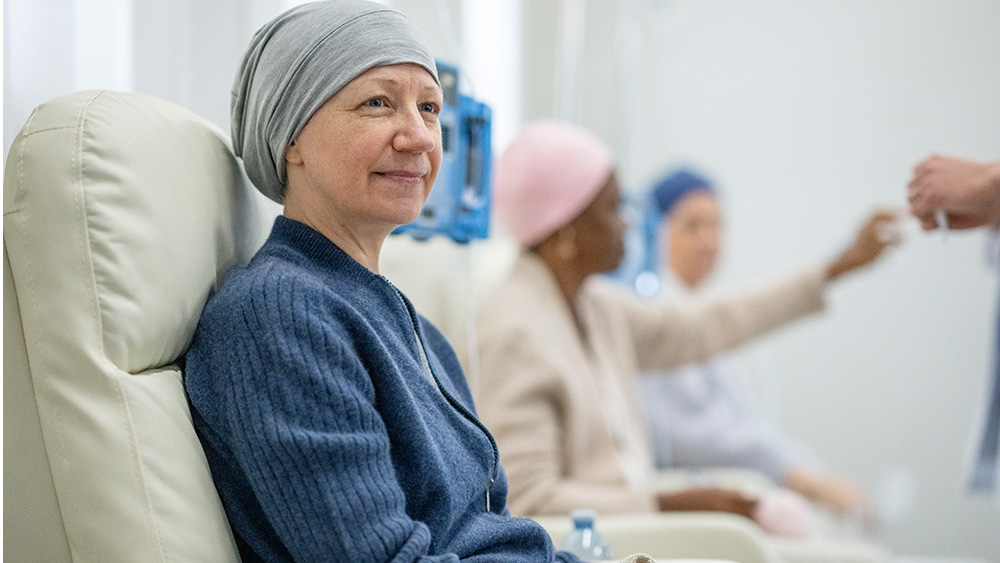
If you or a loved one is undergoing cancer treatment, you know that there are often side effects like nausea, hair loss and pain, which affects 50 percent of cancer patients.
Our pain management specialists with the Rochester Regional Health Spine and Pain Center and Lipson Cancer Institute Cancer Pain Program describes how our teams work together to help control patients’ cancer pain so that they can participate in the things they love.
What causes cancer pain?
Pain can develop for a number of reasons when you have cancer. Sometimes the pain is caused by your treatment, like chemotherapy or cancer surgery. Other times, it’s caused by a tumor pressing against your organs, nerves or bones.
Cancer pain is complex. It can change over time, depending on the stage of the disease and method of treatment, so providers routinely assess the pain to ensure it is being appropriately diagnosed and managed effectively. Information such as the location of your pain, its severity, its impact on you and what your future goals are helps providers develop a plan to get your pain under control.
Innovative ways to control cancer-related pain
Over the past decade, we’ve learned more about how pain starts and ways to control it.
Finding new ways to treat chronic, disease-related pain has become a significant priority in light of the opioid epidemic across the country. Advancements in precision medicine allow providers to specifically isolate the source of the pain and focus our treatments and therapies right at the source.
Innovative ways that Rochester Regional Health providers are using technology to treat pain include:
Radiofrequency ablation
This therapy allows us to target specific nerves or lesions using radiofrequency (heat waves) and destroy them to provide more precise, effective and durable pain control, with fewer side effects.
Neuro-modulation
During a quick, 15-20 minute procedure, a pain specialist places a tiny wire with electrodes around the spinal cord or nerves to block the pain signals that are originating from the cancer site without using any medication.
Chemical neurolysis
This treatment method uses chemicals to destroy the nerve and eliminate the pain signal. Our team uses x-ray or ultrasound guidance and tiny needles to access nerves, destroy them and alleviate symptoms.
Patient-controlled intrathecal analgesia
During this procedure, the physician inserts a catheter directly into the patient’s spinal canal and connects it to a pump, which the patient can then use to administer the medication when he or she feels pain. The medication goes directly to the source of pain, rather than through the patient’s entire body, avoiding the potential for addiction and side effects.
How your care team helps
Your care team will work with specialists across the health system to not only help manage your pain, but the impact your pain has had on your life and your mental health.
Rochester Regional Health providers offer a comprehensive approach to cancer pain management. We work closely with our psychology, physical and occupational therapy, social work, palliative medicine, oncology and surgeon colleagues to develop a plan that’s centered around you, the patient.
Related Articles