Key Takeaways
- Transoral Robotic Surgery (TORS) is a minimally invasive surgery that helps to remove cancer from the tonsils or back of the tongue.
- Compared to other treatment methods, patients need less radiation after surgery, spend less time in the hospital, and reduce their risk of infection.
- Most patients stay in the hospital 2-5 days after surgery and are recovered from surgery in 2-4 weeks.
Transoral Robotic Surgery (TORS) is a minimally invasive surgery for patients who need to have cancer removed from the tonsils or the back of the tongue.
Patients who have TORS often need less chemotherapy and radiation later on. Many patients often swallow better and return to normal activities sooner after surgery.
William Stokes, MD, FACS, is an otolaryngologist and head and neck cancer surgeon who works at Rochester Regional Health. He has performed robotic surgery on dozens of patients and explains how TORS works, who is eligible for the procedure, and how it benefits patients.
Types of cancer and non-cancerous treated by TORS
Head and neck cancer surgeons can use TORS to treat patients with
- HPV-driven cancers in the back of the throat (oropharyngeal)
- Minor salivary cancers
- Non-cancerous cysts on back of tongue or voice box
- Laryngoceles/mucoceles (non-cancerous, fluid-filled cysts)
TORS is best for patients with small tumors on the tonsil or back of the tongue that are 2cm or smaller and not embedded in the deeper muscle of the tongue or tonsils.
“As the tumors get bigger, they require reconstruction,” Dr. Stokes said. “For those situations, the surgery gets a lot more complex, which would then require more radiation and chemotherapy.”
How TORS works for cancer patients
Research shows TORS can help some patients with head and neck cancer need less radiation after surgery. This approach is also more likely to lead to fewer side effects and a stronger recovery.
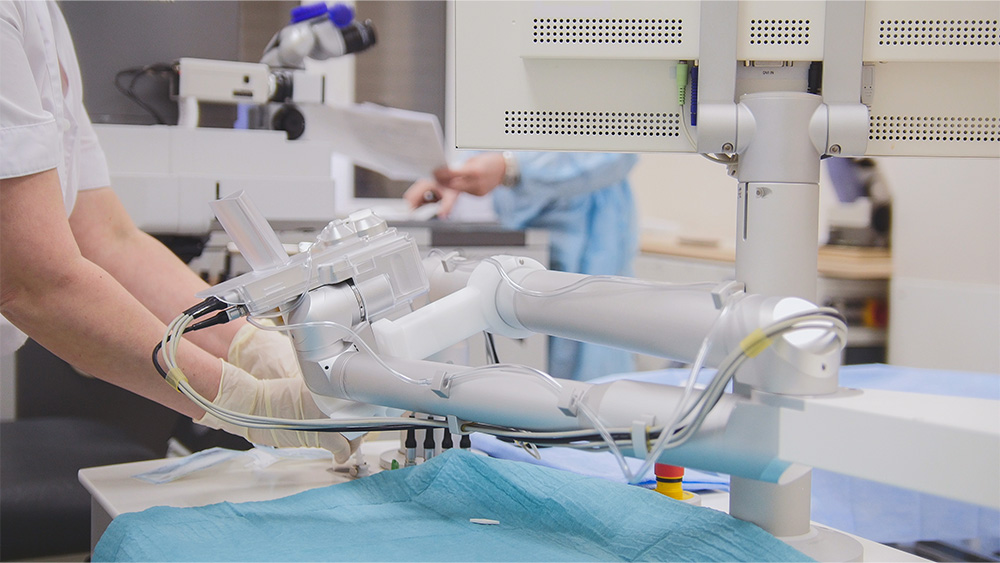
During the surgery, a head and neck cancer surgeon uses precise techniques to control small robotic arms on the daVinci robotic surgical system while sitting at a monitor.
“Before robotic surgery was an option, we had to be much more invasive to work on these tumors,” Dr. Stokes said. With this minimally invasive option, we can simply work through the neck to get into the mouth.”
Head and neck cancer surgeons are trained through a year-long fellowship that focuses on TORS. They are required to complete several surgeries and coursework to continue performing TORS.
What patients can expect before TORS
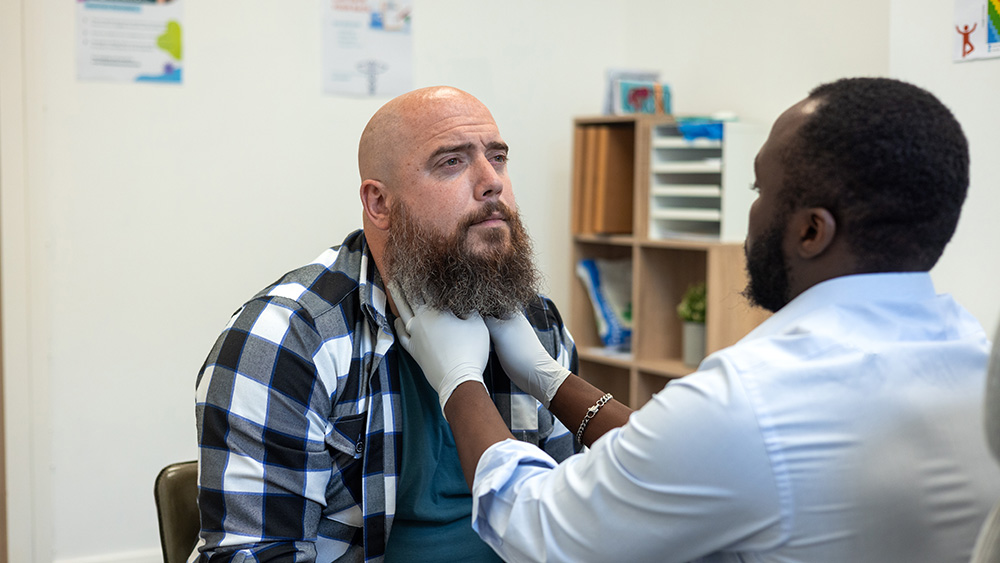
Before surgery, the patient meets with the head and neck cancer surgeon and a radiation oncologist. Together, they will assess whether the patient is a good candidate for surgery.
“There is not a set checklist that makes someone a good candidate for TORS,” Dr. Stokes said. “It depends on several factors, including how superficial vs. deep the tumor is, how many lymph nodes they have, and how much radiation may be needed after surgery.”
If they decide to move forward, the surgeon and radiation oncologist will evaluate the patient by using:
- a biopsy to confirm diagnosis
- blood tests
- imaging tests (such as a PET CT scan)
- physical exam
A specialized speech therapist will also meet with the patient to work on swallowing strategies beforehand.
How long is recovery after TORS?
After surgery, patients stay in the hospital for 2-5 days to recover while being observed. Once they are discharged, patients will remain on a liquid diet for 2-3 weeks following the surgery before going back to a regular diet.
One week after being discharged, the patient meets with their surgery team to check in. They will come back again 2-3 weeks later to meet with the surgery team and speech therapist to ensure their recovery is progressing well.
Patients complain of a painful sore throat and swallowing difficulties for about 2-3 weeks afterward. If they have lymph nodes removed, they tend to feel numbness and stiffness in the shoulder and neck. Physical therapy can help to reduce those symptoms.
Throughout the entire process, patients work with a nurse navigator who helps them through the logistics of setting up appointments for radiation, speech therapy, etc. An oncology nurse is also available to answer any questions the patient may have before or after surgery.
Why patients should consider TORS at Rochester Regional Health
Prior to robotic approaches, surgeries to remove tumors from the back of the throat were more invasive. These procedures required a 1–2-week hospital stay with a temporary tracheotomy.
TORS offers patients a less invasive option for cancer treatment. This surgery offers patients many benefits, including:
- Reduced need for radiation
- Reduced risk of infection
- Better access to surgery site
- Fewer days in hospital
- Less scarring
“At Rochester Regional Health, we have a defined head and neck cancer surgery team with excellent experience,” Dr. Stokes said. “We can offer our patients dose reduction for radiation, and our patients are very satisfied and have great outcomes.”

Related Articles