
Key Takeaways
- Human papilloma virus (HPV) now leads to 60-70 percent of head and neck cancers.
- Symptoms may include voice changes, painful swallowing, ear pain, coughing up blood, or neck bumps that won’t go away.
- Head and neck cancers have an 80-90 percent survival rate over 5 years.
More than 72,000 people are diagnosed with head and neck cancers each year, according to the National Cancer Institute.
In the past, head and neck cancers were linked to heavy smoking and drinking alcohol. Today, about 60-70 percent of head and neck cancers are linked to the human papilloma virus (HPV).
Despite the steep rise in this type of cancer, research shows patients have an excellent survival rate with appropriate treatment – about 80–90 percent over five years.
Andrew Coniglio, MD, is an otolaryngologist and head and neck cancer surgeon at Rochester Regional Health, and has treated thousands of patients with head and neck cancers. He explains the early signs of head and neck cancers, how they are diagnosed, and how people can reduce their risk of HPV and non-HPV head & neck cancers.
Types of head and neck cancers
Head and neck cancers can affect many areas of the face, mouth, throat, and neck. These cancers may include but are not limited to:
- Tongue cancer (oral cavity cancer)
- Tonsil cancer
- Hypopharyngeal cancer
- Jaw cancer
- Laryngeal cancer
- Nasopharyngeal cancer
- Neck lymph node cancer
- Throat (pharyngeal) cancer
- Salivary gland cancer
- Skin cancer
- Thyroid cancer
“At Rochester Regional Health, we offer a multi-modality, and evidence-based approach that is tailored to the patient based on their cancer type, the severity of disease, and their wishes and desires”, Dr. Coniglio said. “Everything is very patient centered.”
Early signs and symptoms of head and neck cancer
Common signs of head or neck cancer may include:
- Voice changes
- Painful swallowing
- Ear pain
- Coughing up blood
- Neck lumps and bumps
Some of these symptoms may sound like they could be a virus. Dr. Coniglio says the way to tell the difference between a virus and potentially something more serious is how long the symptoms last.
“Usually in these cases, these issues don’t go away after 2-4 weeks,” Dr. Coniglio said. “Many people have sore throats from colds or viruses. These usually get better in a few weeks. If symptoms last longer or start to get worse, it’s important to see a healthcare provider.”
Risk factors for head and neck cancers
Two of the most common risk factors for head and neck cancers are tobacco use and alcohol use. People who use tobacco are about 2 ½ times more likely to develop head and neck cancer. Heavy alcohol use also raises the risk. Using both tobacco and alcohol together increases the risk more than 30-fold.
Other risk factors include sun exposure for skin cancers and genetics for all types of cancers – especially thyroid cancers.
Risk factors for HPV
For people diagnosed with HPV, increased sexual encounters put people at risk of developing head and neck cancers.
Research suggests people who have more than 6-7 sexual partners begin to see an elevated risk of developing HPV. Men are five times more likely to develop HPV than women.
HPV is a very common virus. Many adults are exposed to it at some point in their lives, often without knowing it. In some people, the immune system clears the virus on its own. In others, the virus can stay in the body for many years.
Over time, it may lead to cancer, often in the tonsils or back of the tongue.
“Since HPV is a sexually transmitted disease, many people’s first instinct is to think their partner may not be faithful,” Dr. Coniglio said. “The tricky part of HPV-related cancer is that it can hide in your body for years, even decades, from the time you were a teenager until mid-to-late adulthood.”
Can head and neck cancers be prevented?
The earlier you focus on prevention, the better chance you have of a good outcome.
The American Academy of Pediatrics encourages parents to give their children the HPV vaccine at age 9-12.
“This is why the HPV vaccine is so important. You want to have the vaccine be effective before your first sexual encounter,” Dr. Coniglio said.
Other ways to reduce the risk of head and neck cancers include quitting smoking and tobacco use, limiting or eliminating alcohol use, and scheduling regular visits with your dentist and primary care provider.
How head and neck cancers are diagnosed
Primary care providers, dentists, ENT doctors, and other providers will send patients to a head and neck cancer specialist if they suspect a risk of head or neck cancer.
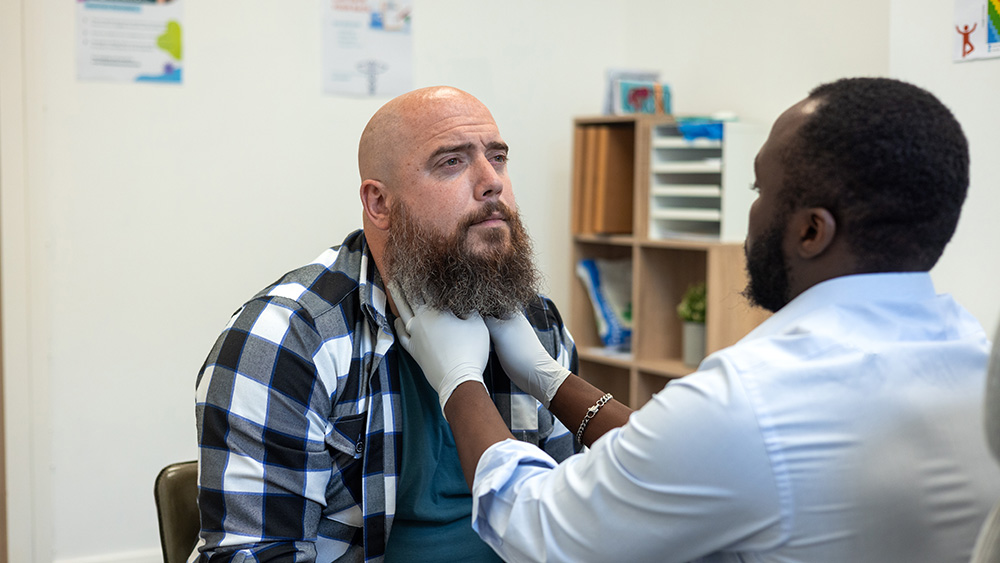
Patients will meet with a provider, talk about their medical history and symptoms, undergo a clinical exam and have the provider look in their nose, mouth, and/or throat with a tiny camera. Each patient has a tissue sample taken so it can be tested.
“Each part of the diagnosis and treatment process is tailored to the individual patient, with a multidisciplinary team approach to ensure each patient gets the exact care they need,” Dr. Coniglio said. “We are fellowship trained head and neck cancer surgeons who take time and advocate for our patients and work closely with other services to come up with a patient-centered approach for the treatment of head and neck cancer. We will always do what is best for our patients.”

Related Articles