Key Takeaways
- Colorectal cancer is the 3rd most commonly diagnosed cancer in the U.S.
- Symptoms may include pain in the abdomen, blood in the stool, change in bowel habits, constipation, narrow stools, and passing excessive amounts of gas.
- To avoid raising your risk of colorectal cancer, eat fewer processed foods, eat more fiber, use less tobacco and alcohol, and exercise more.
If you have a first degree relative who has/had colorectal cancer, you have a higher risk of getting the disease.
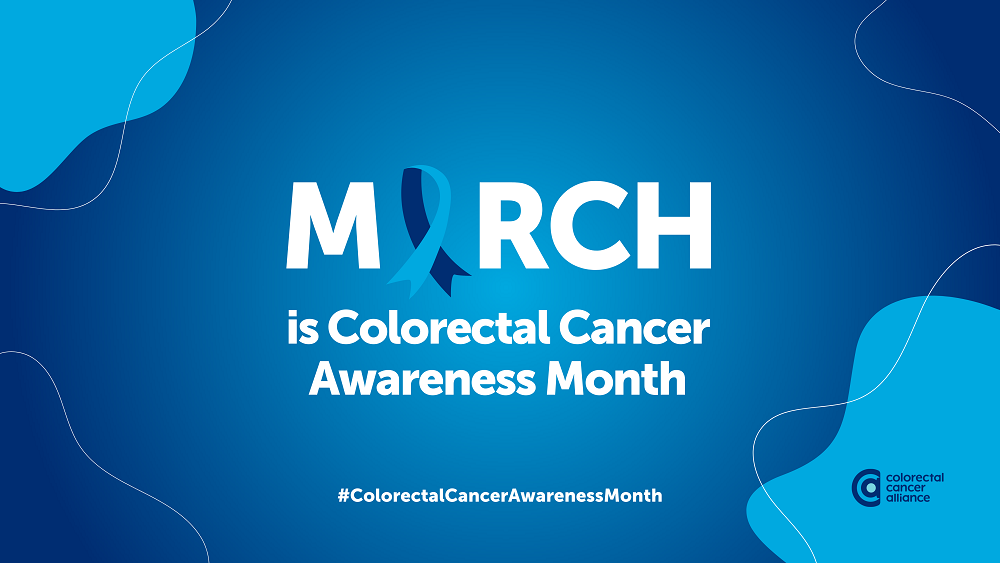
March is Colorectal Cancer Awareness Month, and the team of gastroenterologists in the St. Lawrence Region want to reinforce the importance of being screened via a colonoscopy.
According to the American Cancer Society, excluding skin cancers, colorectal cancer is the third most common cancer diagnosed in both men and women in the United States.
Not all cancers are hereditary, and if someone has or gets colon cancer, that does not mean they will get rectal cancer, and vice versa. The symptoms are the same for both cancers.
Symptoms may include:
- pain in the abdomen
- blood in stool
- change in bowel habits
- constipation
- narrow stools
- passing excessive amounts of gas
Some individuals may also feel tired or experience weight loss. There may be few to no symptoms in the early stages of colorectal cancer, so yearly screening beginning at age 45 is important; earlier if risk factors are involved.
The lifetime risk of developing colorectal cancer is about one in 23 for men, and one in 26 for women. Each person's risk, however, might be higher or lower than this, depending on their risk factors. Some of the factors, like smoking or being over weight, can be changed; others, like a person’s age or family history, cannot be changed.
It is important to realize that having a risk factor, or even many, does not mean a person is destined to get the disease. Some people who get the disease may not have any known risk factors.
To avoid raising your risk of developing colorectal cancer, you can:
- eat fewer processed foods
- eat a diet high in fiber
- exercise more
- reduce alcohol and tobacco use
Related Articles