Key Takeaways
- Most colonoscopies require 48-72 hours of preparation before the procedure.
- Follow a low fiber diet starting 72 hours prior to the procedure, then drink a recommended liquid laxative the afternoon/evening before (and sometimes the morning of) the procedure.
- Arrange for someone to drive you to and from the appointment, as you will receive sedation during the procedure.
There are estimated to be more than 154,000 people who were diagnosed with colorectal cancer in 2025, according to the National Cancer Institute.
Overall, the number of colorectal cancer cases in the U.S. continues to decline as more people choose to be screened for colorectal cancer. Research consistently shows screening as the best method of preventing colorectal cancer. There are several different methods of colorectal cancer screenings, but the gold standard is a colonoscopy.
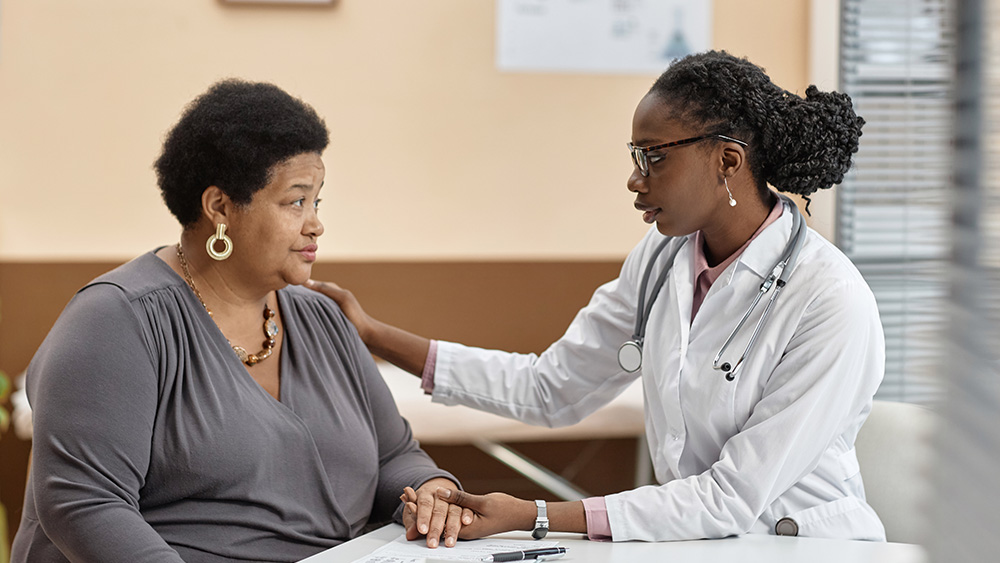
We asked Jason Gutman, MD, a gastroenterologist with Rochester Regional Health, to share his insights about how to best prepare for a colonoscopy.
Why preparing is important
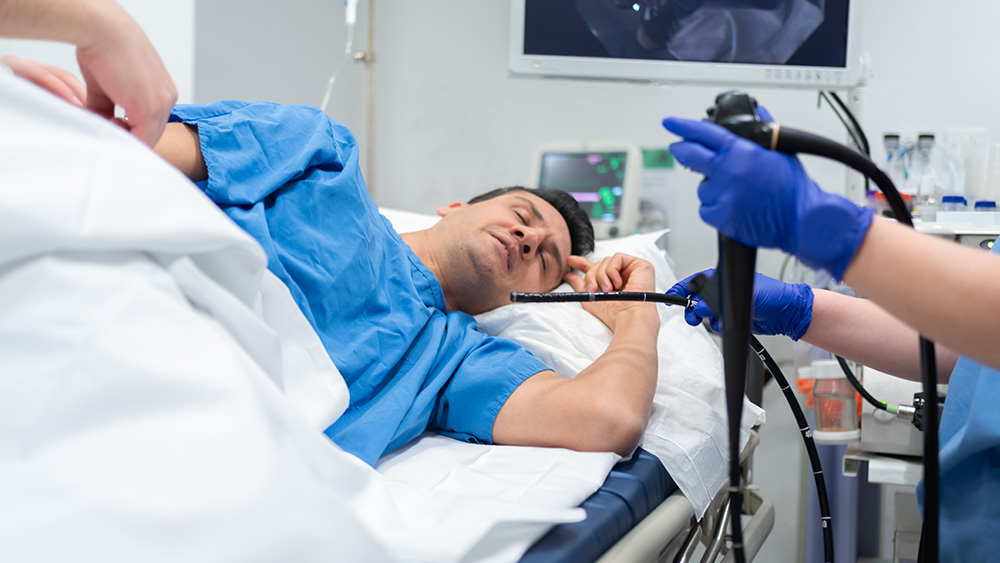
A colonoscopy is an exam in which a provider uses a long, flexible tube with a tiny camera on the end to examine the inside of a patient’s colon and rectum. The procedure allows providers to detect pre-cancerous polyps (small growths on the inner lining of the colon or rectum) and early stage colorectal cancer before they become symptomatic.
Properly preparing for a colonoscopy is important because it allows the provider to clearly see the lining of the bowel.
“Having a clean environment while screening a person’s colon and rectum is essential to being able to identify changes that could potentially point to pre-cancerous or cancerous tissue,” Dr. Gutman said. “The better the prep, the less likely doctors are to miss a small polyp or growth. If the prep process is not done correctly, there is a possibility that the patient may have to go through it all again.”
Getting ready for colonoscopy prep
Patients should carefully review the instructions that are provided to them by their physician or care team. These instructions include information about how and when to prepare for the procedure. Often these instructions involve steps that need to be taken 48-72 hours before the procedure itself.
The most common method of colonoscopy preparation involves a low fiber diet in the days leading up to the procedure and drinking large amounts of a liquid laxative solution the afternoon/evening before (and sometimes the morning of) the procedure. For this reason, patients should not wait until the night before or the morning of their colonoscopy to begin reading any provided instructions.
In the days leading up to the procedure, patients will need to follow a colonoscopy prep diet, which means consuming clear liquids and avoiding solid foods for 24 hours.
Some items to buy at the grocery store ahead of a colonoscopy might include:
- Coffee or tea
- Broth
- Popsicles or gelatin (no orange, red, or purple)
- Beverages
- Plain water or coconut water
- Apple juice or white grape juice
- Sports drinks (no orange, red, or purple)
- Medicated wipes and/or soft toilet paper
- Book, movie, magazine, or other activity to occupy time spent in the bathroom
Because sedation is used, patients must arrange for someone to drive them home afterwards. If a patient is unable to secure transportation to and from the procedure, they should contact their provider to see if medical transportation is available.
Patients should also arrange for the time and privacy needed to complete the prep with as little stress as possible. Patients should clear their schedule, and plan to be at home to start the prep process. If patients have children or aging parents who need attention, they should arrange for someone else to be at home to tend to them while they are indisposed.
Starting the colonoscopy prep
24 hours before the procedure
The day before the scheduled procedure, patients should start fasting from solid foods.
Providers and patients alike suggest refrigerating the colonoscopy prep drink before drinking it; having the drink chilled helps a little bit with the taste. For prep drinks that do not come flavored, ginger, lemon, or lime juice can be added to help with the taste.
Follow your provider’s instructions carefully when doing the preparation. Stay near a restroom, as the medication works by causing frequent bowel movements until the colon is fully cleared. It is wise to wear loose clothing and stay near a restroom during the colon cleansing process.
The morning of the procedure
Unless directed by their provider, patients should avoid drinking any liquids at least two hours before the start of the procedure. Some providers direct patients split drinking the colonoscopy prep drink between the evening before and the morning of the procedure. If a patient is splitting their prep drink, now would be the time to finish it.
Those who take daily medication in the morning should follow the instructions they have received from their provider.
“Once a patient arrives for their colonoscopy, a colonoscopy typically takes no more than 2 hours from the time they come in the building until the time they exit,” Dr. Gutman said. “Patients should arrive 30-45 minutes before the procedure. The procedure itself takes about 30 minutes, then another 30-45 minutes for sedation recovery.”
What to expect after the procedure
For the rest of the day, take it easy and rest since you may be drowsy from sedation.
Any eating should be limited to easy-to-digest foods for the first 24 hours after the procedure is complete. Avoiding alcohol and strenuous activity during that time is recommended, as well.
Most people are able to resume their normal diet and schedule the following day.
If a polyp is removed, there may be a small amount of blood in the stool for 1-2 days after the procedure. Most people who experience this issue see it resolve itself within 48 hours. If it continues, patients are encouraged to call their provider.
“Colonoscopies are the most effective way to screen for colorectal cancer,” Dr. Gutman said. “Colonoscopy prep can be challenging, but taking care of your body through a preventative screening is better than placing yourself at risk.”
Related Articles