
Key Takeaways
- Bursitis is caused by irritation or inflammation of fluid-filled sacs that cushion your joints, often from repetitive motion or pressure.
- Common symptoms include joint pain, swelling, and limited movement, especially in the shoulder, hip, knee, or elbow.
- Most cases improve with rest, ice, and physical therapy, but ongoing pain may require medical treatment.
Bursitis is a type of painful joint inflammation that happens in small, fluid-filled sacs called bursae. A bursa is a cushion between a bone and other moving parts of the joint like muscles, tendons, or skin.
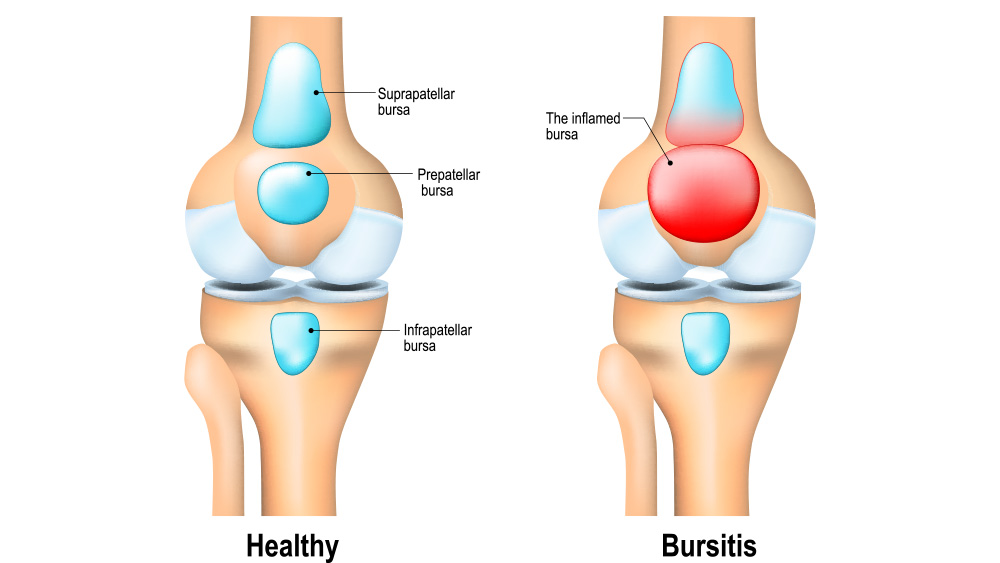
There are several different causes of bursitis, depending on which joint is affected. For example, hip bursitis may be linked to repetitive walking or running, while shoulder bursitis is often tied to overhead movements.
We asked Nicholas Loffredo, DO, an orthopedic surgeon at Rochester Regional Health’s Batavia Medical Campus to explain the symptoms of bursitis, walk through different treatment options, and share what to do if the pain doesn’t go away.
Common causes of bursitis
Bursitis most often develops from repeated movement or pressure on a joint over time.
Common causes include:
- Repetitive motions (kneeling, lifting, throwing)
- Too much pressure on joints
- Injury/trauma (fall, impact, etc.)
- Poor posture or joint alignment issues
- Underlying condition (arthritis, gout, infection, etc.)
You may have an increased risk of bursitis if your job or hobbies include repeated movements, such as gardening, carpentry, or sports.
Symptoms of bursitis
Your symptoms depend on the affected joint, but most people experience:
- Pain with movement or pressure
- Limited range of motion
- Stiffness/tenderness
- Redness or warmth
- Swelling near the joint
Depending on whether there is an injury to the joint, pain may come on suddenly. If bursitis develops due to overuse, the symptoms will build more slowly.
Treating bursitis
Most cases of bursitis improve with simple, non-surgical treatments. Orthopedic specialists with Rochester Regional Health can help to determine which therapy or therapies are best for your lifestyle.
Physical therapy: Exercises that target and strengthen specific muscles around the affected joint can help to improve flexibility and reduce stress.
Over-the-counter pain relief: Using anti-inflammatory medications like ibuprofen or naproxen can reduce swelling and pain. Creams and gels can also be rubbed directly onto the affected joint to provide similar relief.
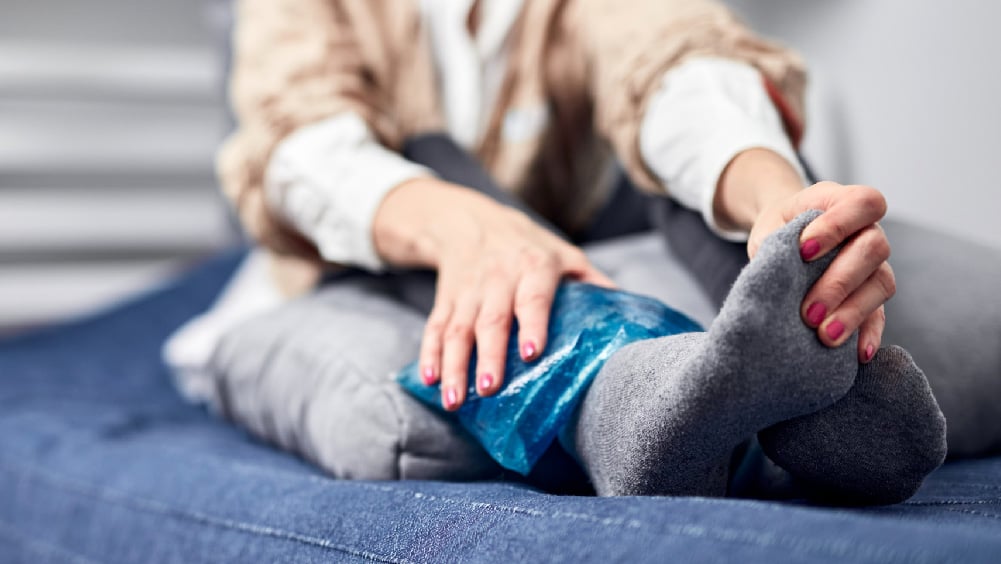
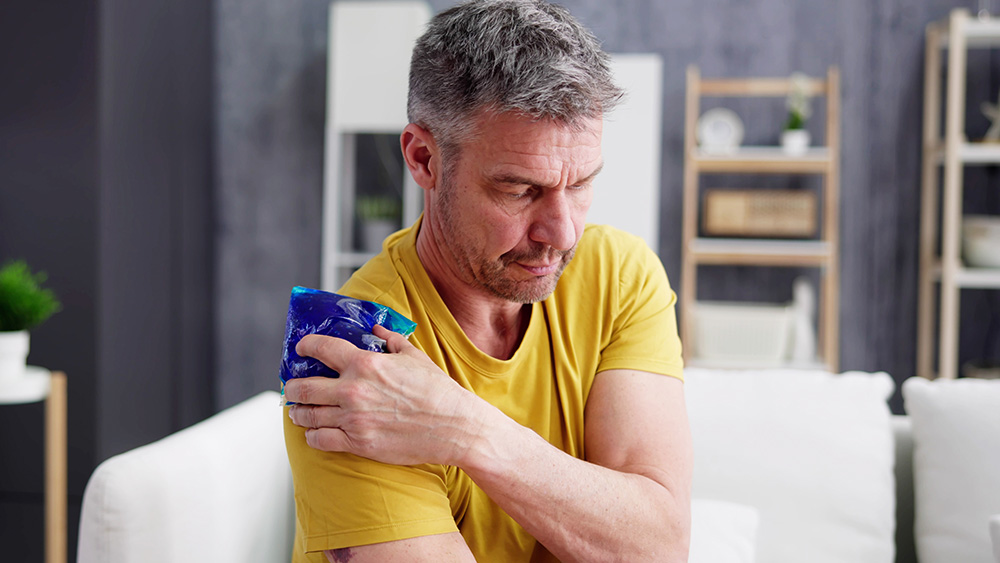
Home remedies: Rest and ice can help to reduce swelling. Avoid repetitive activities that cause pain and use supportive braces or cushions if they help.
Injections: If therapies have not worked, your provider may offer corticosteroid injections to relieve inflammation and pain.
Surgery: This is rarely needed for bursitis, but if symptoms do not improve with other treatments, it may be recommended by an orthopedic surgeon.
Is heat or cold better for bursitis?
The answer depends on your symptoms.
Cold therapy is best for flare-ups or early stages of bursitis where there is swelling and inflammation. Cold helps to bring those symptoms down.
Heat therapy is helpful when your joint is feeling stiff more often, typically for people who are having chronic bursitis issues. Heat helps to increase blood flow and relax the muscles around the bursa.
Try to remember: ice for swelling and heat for stiffness.
What to do if bursitis pain doesn’t go away
If pain, stiffness, or other symptoms related to bursitis last more than 2-3 weeks and are not improving with physical therapy and at-home treatments, ask your primary care provider for a referral to one of our Rochester Regional Health orthopedic specialists.
You should visit an urgent care immediately if you are experiencing any of the following symptoms:
- Severe pain
- Fever or chills (potential infection)
- Redness or warmth around the joint (potential infection)
“If treatments for bursitis don’t provide adequate relief, an orthopedic specialist may suggest imaging, fluid testing, or other tests to rule out any underlying infection or condition,” Dr. Loffredo said.

Related Articles