Key Takeaways
- Computed Tomography-Fractional Flow Reserve (CT-FFR) uses non-invasive testing methods to create a 3D model of a patient’s heart.
- Heart care providers use this modeling to see analyze blood flow and potential blockages to customize a treatment plan specific to each patient.
- Bringing this technology to patients in rural communities provides heart care that allows them to remain close to home.
If you are having symptoms related to heart disease, it’s time to meet with one of the cardiologists at the Sands-Constellation Heart & Vascular Institute. With an experienced team of specialists and state-of-the-art technology, you can trust that you are in good hands.
Coronary artery disease is one of the more common types of heart disease, affecting millions of men and women in the U.S.
Coronary artery disease develops when tiny deposits of cholesterol, calcium, and fat (also called plaque) build up and cause the walls of the arteries to narrow – restricting the flow of blood and oxygen to the heart.
An advanced new imaging system is giving Rochester Regional Health heart care providers the best possible insight into screening for potential heart disease and related blockages so they can diagnose each patient and create a treatment plan that puts them on the path for recovery.
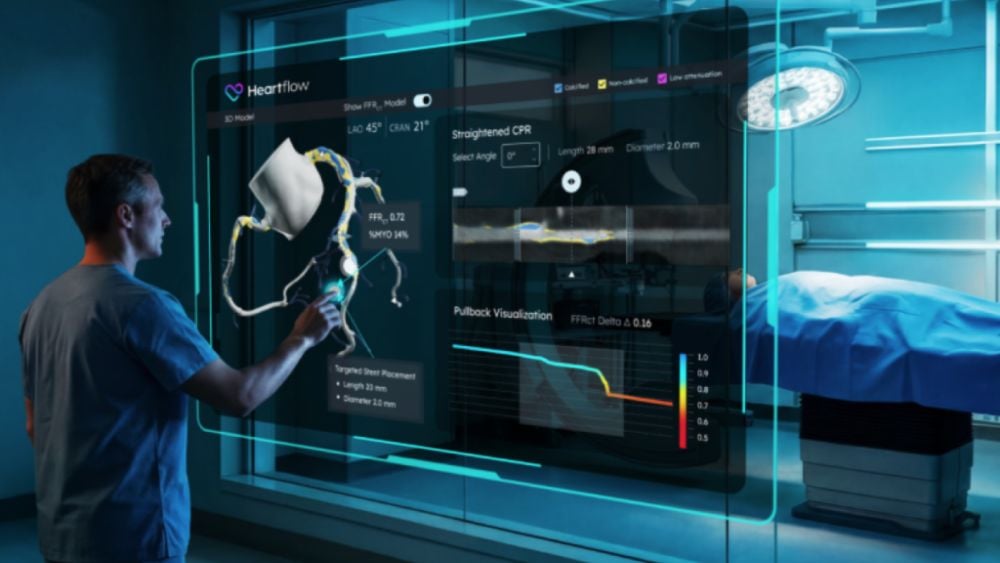
Cardiac Computed Tomography-Fractional Flow Reserve (CT-FFR) uses non-invasive testing methods to create a 3D model of a patient’s heart, which then helps their heart care team determine an individualized treatment plan.
How CT-FFR works
Patients who are being evaluated for coronary artery disease typically need to undergo diagnostic testing to determine if they have any blockages and how significant the blockage may be. This can include stress testing or cardiac catheterization. CT-FFR is much better at accurately diagnosing obstructive blockages compared to traditional stress testing and has been shown to avoid unnecessary cardiac catheterization (angiograms).
Using CT-FFR, heart care providers can use non-invasive methods to determine the next steps for a patient. Patients receive an IV contrast dye that is used to image the arteries supplying the muscle of the heart during the CT scan.
If patients have a high heart rate, a nurse will administer medication to help control the heart rate just for the test.
CT-FFR creates a detailed 3D model of a patient’s heart and uses advanced technology to calculate blood flow through the coronary arteries. Based on each patient’s assessment, heart care specialists can see:
- which areas of the arteries may be narrowing
- how much plaque buildup exists
- where blood flow is restricted
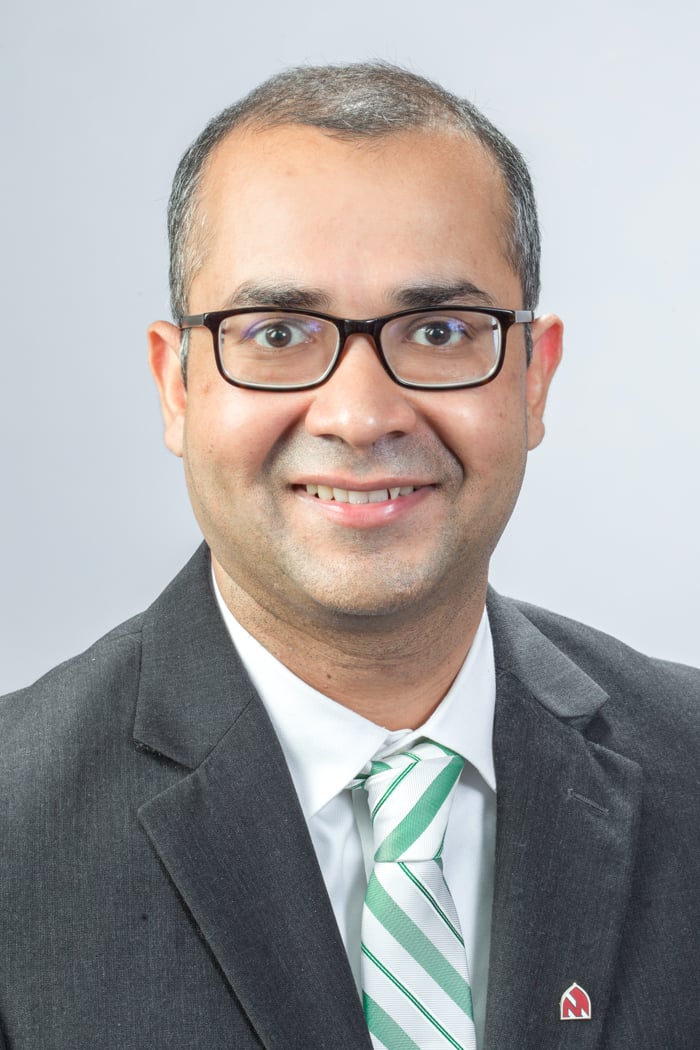
“This is good care for our patients,” said Bipul Baibhav, MD, a cardiologist with expertise in multimodality cardiac imaging at Rochester General Hospital’s Sands-Constellation Heart & Vascular Institute. “We detect disease, avoid unnecessary procedures, and patients can be placed on medications if they have non-obstructive disease to reduce their risk of heart attacks in the future.”
“If CT-FFR is positive, patients may need a cardiac catheterization (angiogram) to look more closely at their heart arteries. They are more likely to have a blockage in these arteries. If a serious blockage is found, a stent may be needed to help keep the artery open.”
Recent studies show using CT-FFR helps to avoid unnecessary testing such as cardiac catheterizations.
How long does CT-FFR take?
From when patients arrive to when they leave, the CT-FFR appointment takes 60-90 minutes – most of which is spent ensuring the patient’s heart rate is optimal for imaging. The IV contrast dye and the CT scan itself only takes a few minutes.
Providers will review the imaging and send results to patients via MyCare within 1-2 hours.
Rochester Regional Health’s Sands-Constellation Heart & Vascular Institute is offering this innovative diagnostic method for patients in the Rochester and Finger Lakes regions, beginning at United Memorial Medical Center in Batavia as well as expanding to the St. Lawrence region later this year.
“With this type of non-invasive cardiac imaging, we are trying to provide the specialized care our patients need right in their communities,” Dr. Baibhav said. “As much as we can, we want to take care of our patients so they can remain close to home and only need to come to Rochester if they truly need a procedure done.”
By expanding this testing, the goal is to bring more heart patients in more quickly to have access to the heart care and treatments they need.
“With the increase in access to cardiac imaging procedures that the Sands-Constellation Heart and Vascular Institute is planning, we hope that we reduce these wait times for these tests to a couple of weeks,” Dr. Baibhav said.
Most major insurance plans cover CT-FFR, so patients should be able to use their health insurance to cover the visit.
What happens next after CT-FFR imaging
Once the imaging is completed, a member of the patient’s heart care team will contact them with the results and help them schedule an appointment to determine a treatment plan.
If a minor blockage is found, providers may choose to treat the patient with medications and lifestyle measures. If a more significant blockage is found and the patient is also experiencing heart-related symptoms, other treatments may be considered.
“This is an investment for our patients and rural communities,” Dr. Baibhav said. “With our state-of-the-art scanners that provide high quality imaging, we have more accurate testing for detecting disease. We are excited about this technology and what this means for our patients in the community.”
Talk With A Cardiologist
If you are having symptoms related to heart disease, it’s time to meet with one of the cardiologists at the Sands-Constellation Heart & Vascular Institute. With an experienced team of specialists and state-of-the-art technology, you can trust that you are in good hands.
Related Articles



.jpg?h=563&iar=0&w=1000)