Key Takeaways
- Plantar fasciitis and Achilles tendinitis both affect people who have repeated foot impacts or are on their feet more often.
- Maintaining a healthy weight, foot support, and stretching can help to relieve the pain.
- Rest, physical therapy, and getting the right footwear (including orthotic inserts) can help you heal from both types of injuries. If conservative treatments don’t work, surgery is an option.
Our Orthopedic Urgent Care centers in Victor and Henrietta offer same-day treatment for unexpected injuries involving bones, joints, and muscles. With convenient walk-in hours available during the day, evenings, and Saturdays, we’re here when you need us most.
Millions of people are treated for plantar fasciitis and Achilles tendinitis each year, according to the American Academy of Orthopedic Surgeons. Those numbers are expected to grow over the next several years.
We asked Peter Stasko, DPM, a board-certified podiatric foot and ankle surgeon with Rochester Regional Health, about these health conditions and what may be driving more people to seek out treatment from providers.
Plantar fasciitis
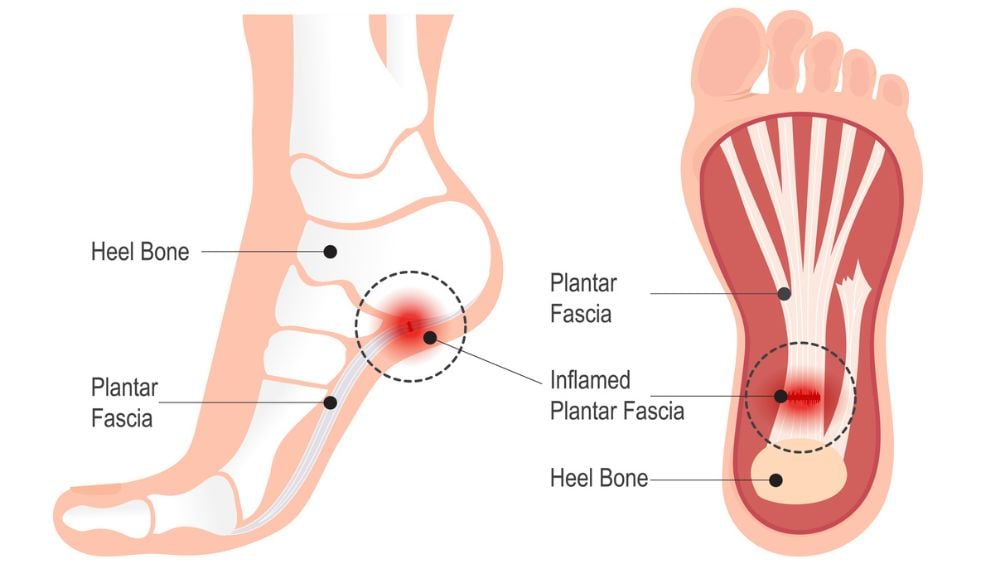
The plantar fascia is a band of tissue running along the bottom of the foot that connects the heel bone to the toes while bolstering the arch. When this becomes inflamed, the condition is known as plantar fasciitis.
Doctors say there are multiple causes for the condition, but there are many factors that can raise a person’s risk, including:
- being overweight
- having repeated impacts on your feet (e.g., long-distance running)
- having a high arch
- having a flat foot
- autoimmune diseases such as rheumatoid arthritis or lupus
- having an altered gait pattern due to injury
“Plantar fasciitis is sometimes called ‘first step pain’ because of the discomfort felt when a person first begins walking in the morning,” Dr. Stasko said. “Eventually the pain can lessen as the day goes on, but it can also be accompanied by stiffness.”
Achilles tendinitis
Achilles tendinitis occurs when the Achilles tendon becomes inflamed. The Achilles tendon is the most powerful tendon in the human body. It is a strong, fibrous cord that connects the calf muscles to the heel bone. The tendon stretches from about the middle of the calf down to the top of the heel.
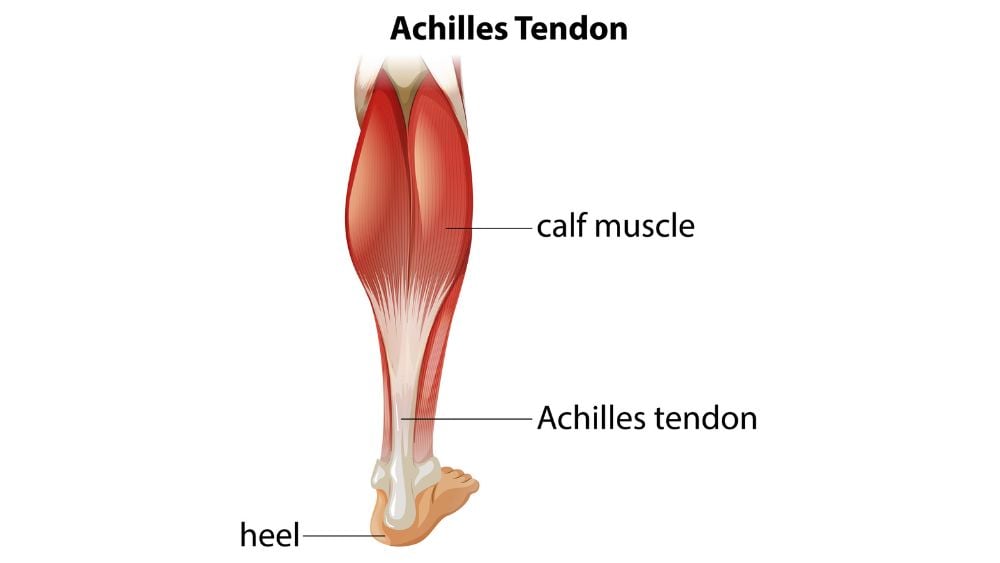
Inflammation with the Achilles tendon can happen in two areas: where the tendon inserts into the heel bone (insertional) and just above where the tendon inserts into the bone (non-insertional).
Some of the reasons for inflammation along the tendon may include:
- continuous high-impact sports (e.g., running, soccer, basketball)
- Haglund’s bump – an enlargement on the bone on the back of the heel that irritates the underside of the tendon
- sudden increases in amount or duration of intense physical activity
- tight posterior muscle group
“People with Achilles tendinitis will often see swelling along the tendon or back of the heel,” Dr. Stasko said. “They will also likely feel pain in those same areas and have a more limited range of motion.”
Ways to prevent plantar fasciitis and Achilles tendinitis
Foot and ankle specialists will recommend different ways to prevent plantar fasciitis and Achilles tendinitis. However, there are two that both conditions share: reducing your weight and transitioning to lower-impact activities.
“Finding ways to lose weight may lessen the stress on your body,” Dr. Stasko said. “Changing how you stretch and perform a variety of exercises with foot support can lessen stress on your feet.”
Treatments for plantar fasciitis and Achilles tendinitis
Plantar fasciitis
For plantar fasciitis, there are several options for remedies and treatments.
Good quality shoes: Seeing wear on the sole of your shoes is a good indication that you should change to a new pair. This can give you more support and reduce the strain on your arches.
No smoking: There is not a relationship between plantar fasciitis and smoking, but if you need a medical intervention, smoking reduces the chances of that intervention working.
Footwear accessories: Inserting items such as arch supports or heel cups, or wearing night splints can help to ease pain and cushion the heel.
Achilles tendinitis
People diagnosed with Achilles tendinitis are referred to other therapies.
Rest: Dialing back your overall level of physical activity gives your body time to heal and reduce inflammation on its own. While other treatments are sometimes needed, this is a good first step to take.
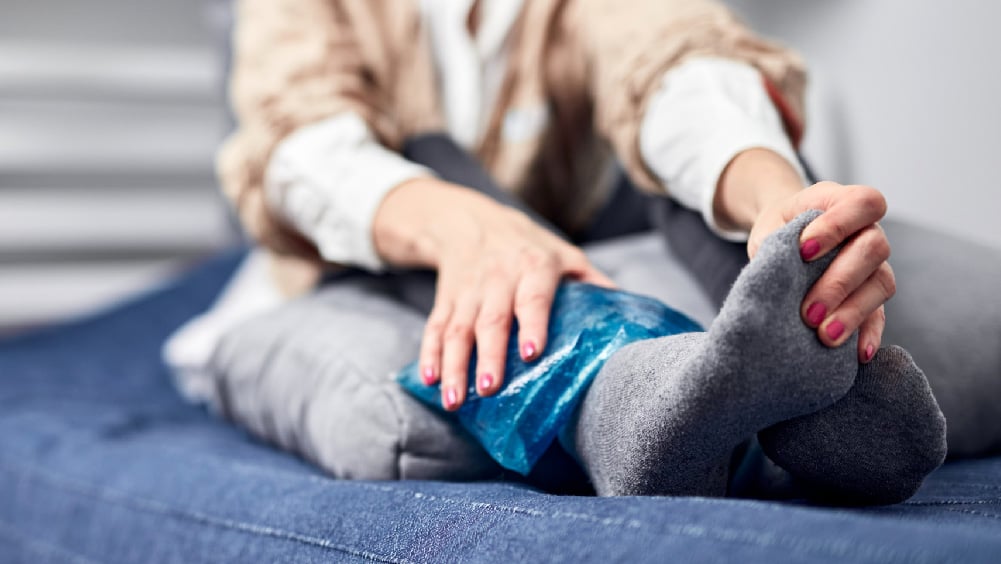
Icing: Using ice as needed can help to reduce inflammation and lessen the pain felt along the Achilles tendon. Place the ice on the tendon for 20 minutes, then remove it and rest for 20 minutes.
Physical therapy: Visiting a physical therapist or sports medicine specialist can be beneficial in many ways. They can suggest stretches or exercises to help, along with short-term treatments. Treatments like needling, shock therapy, cortisol injections, or PRP injections can be performed by podiatric foot and ankle specialists or sports medicine specialists.
“No matter which type of treatment you are seeking, we are ready to give you the information and support you need to get you back on your feet as soon as you are healthy,” Dr. Stasko said.

Related Articles