Key Takeaways
- Turf toe is an injury that happens when the biggest joint of the big toe is hyperextended while pushing off the ground.
- Treatment for turf toe ranges from immobilizing the injured foot to surgery, depending on the severity of the injury.
- Wear proper fitting cleats when playing sports to prevent turf toe injuries.
Our Orthopedic Urgent Care centers in Victor and Henrietta offer same-day treatment for unexpected injuries involving bones, joints, and muscles. With convenient walk-in hours available during the day, evenings, and Saturdays, we’re here when you need us most.
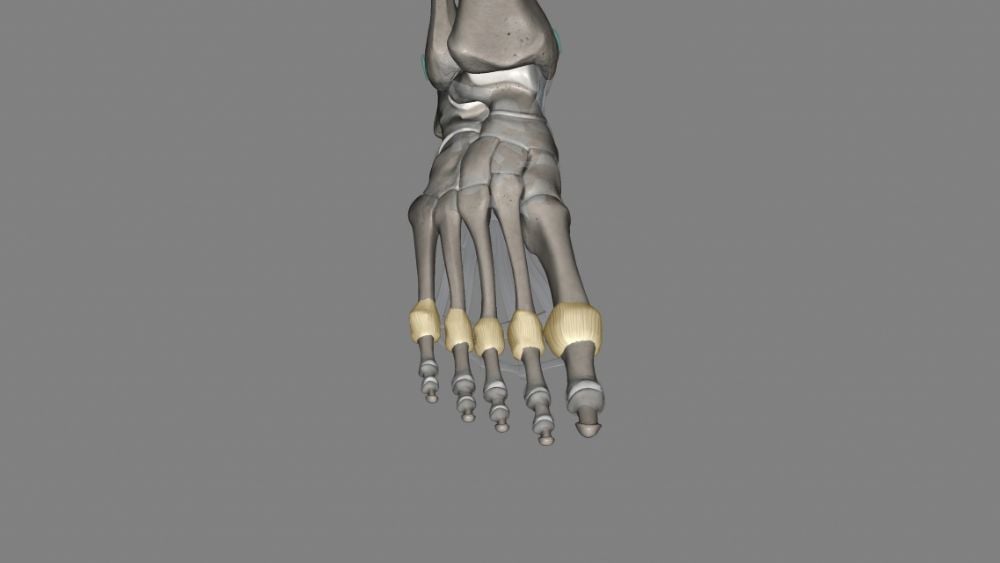
Turf toe is the common name for an injury to the largest joint of the big toe, called the metatarsophalangeal (MTP) joint. The name of the injury stems from the playing surface where it commonly happens.
Football players are the most likely to suffer a turf toe injury, but soccer and lacrosse can also see this happen. Turf toe happens from either a single acute injury or damage from chronic overuse of the ligament.
Paul Stasko, DPM, is a podiatrist and board-certified foot and ankle surgeon with Rochester Regional Health and explains how these injuries happen, how they are repaired, and what athletes can do to prevent them.
What causes a turf toe injury?
Turf toe injuries happen underneath the MTP joint within a couple of the small bones that run under the joint. This can happen either from a single incident or gradually from overuse.
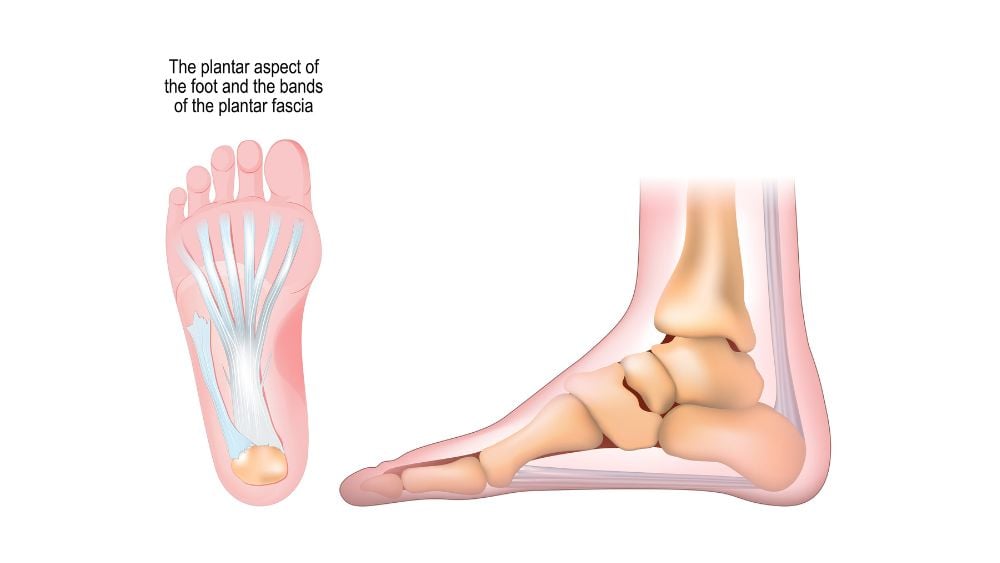
With an acute injury, athletes will often be pushing off the ground – raising up their heel while keeping the front of the foot planting. This can hyperextend the MTP joint.
“You see this often with football players,” Dr. Stasko said.
Some athletes will suffer an injury from chronic overuse of the MTP joint, often from repetitive motions such as planting their feet and throwing a football or kicking a soccer ball.
Since turf is more resistant to force than grass surfaces, athletes’ feet absorb more of the force of their movements, which raises the chance of an injury.
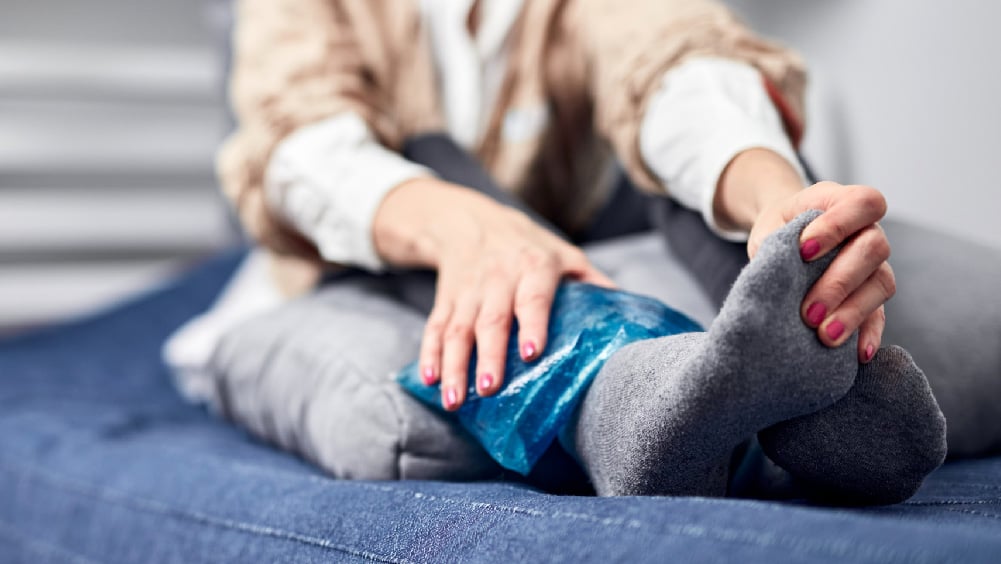
Turf toe injuries will be noticeable fairly quickly after an injury, with pain, tenderness, and swelling in the big toe joint. Use the RICE treatment (Rest, Ice, Compression, Elevation) as soon as possible to reduce swelling or risk any further injury.
How turf toe is diagnosed
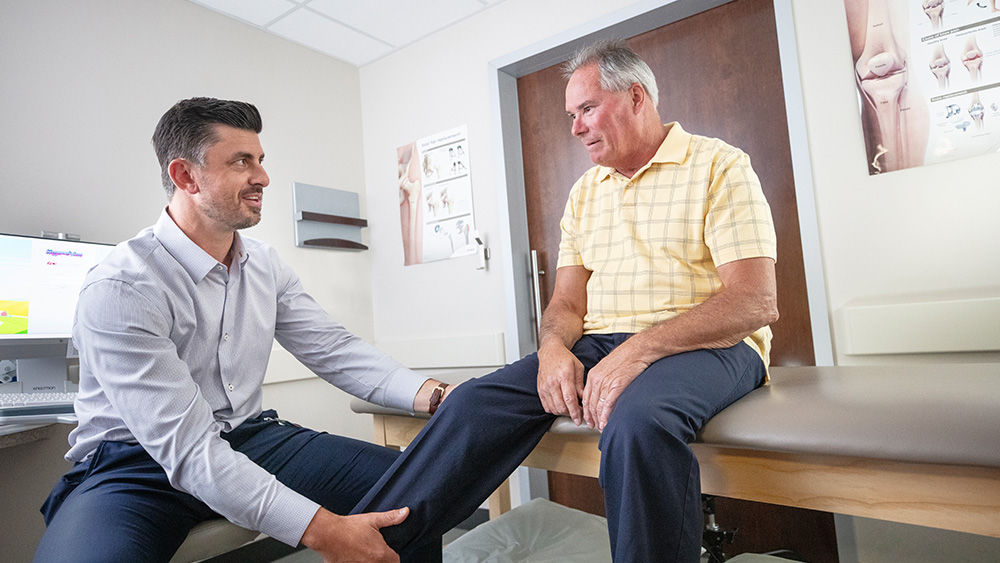
A possible turf toe injury can be diagnosed by orthopedic providers at an orthopedic urgent care. To properly diagnose the injury, a provider needs to know the contributing factors, including:
- How was the joint injured?
- What was the timing of the injury?
- What direction did the joint bend?
Following a careful physical exam of the injured foot, providers will take x-ray images to determine how severe the injury might be.
If soft tissue damage is suspected, they may perform an MRI to get more information for a detailed diagnosis and treatment plan.
Once all the information is gathered about the MTP joint injury, providers will determine how to treat it based on the grade of injury. The grade is based on the damage to the sesamoid bones and ligament structures.
Grade 1: Mild swelling and tenderness in MTP joint
Grade 2: Partial tear of ligaments in MTP joint, moderate swelling, tenderness, and bruising
Grade 3: Complete tear of ligaments and tendons supporting MTP joint
Treating turf toe
Each athlete’s treatment and recovery depend on the severity of their injury.
For sprains and light tears, the patient may continue to use the RICE treatment until swelling and pain go away. They may also have their foot immobilized using a walking boot to let the body heal itself.
With more severe injuries, a foot and ankle surgeon can perform surgery to tighten the ligament and repair the tear.
“Overall, a patient with a low-grade turf toe injury will be out for 2-4 weeks,” Dr. Stasko said. “If the patient needs surgery, they could be out of their sport for 6-8 weeks while their body heals from surgery.”
Once surgery is complete, the patient will undergo routine follow-up visits to evaluate their range of motion and check on how the tissue is healing.
Meeting with a physical therapist is also strongly recommended.
“Getting physical therapy is going to restore a better range of motion and function to that area,” Dr. Stasko said.
Preventing turf toe
One of the best ways to prevent turf toe is to wear cleats that fit properly.
When you try on your cleats, make sure they are tight to your toes so there is no wiggle room. The more stability you have in your cleats, the better protected your feet will be.
“If your cleats that have a lot of flexibility to them, you’re going to be more prone to a turf toe injury,” Dr. Stasko said.

Related Articles