Key Takeaways
- Radon cannot be seen, smelled, or tasted. Testing is the only way to know for certain where it is.
- When someone is exposed to radon gas frequently, their risk of lung cancer goes up.
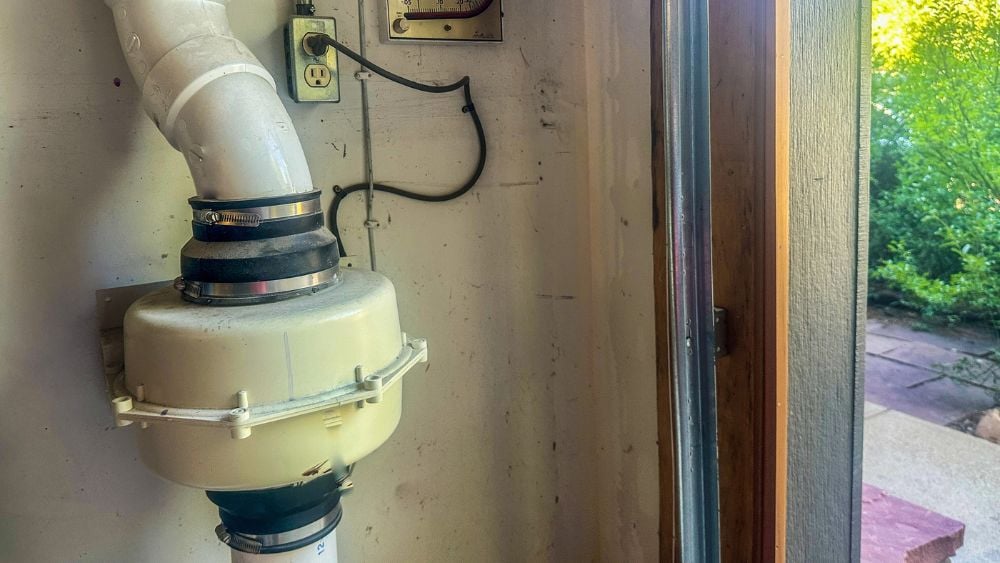
- If your home or workplace have high radon levels, radon reduction systems can be installed to bring them down.
Lung cancer is the leading cause of cancer deaths in the U.S. but finding cancer early often means we can treat it. Take our health risk assessment and see if you are eligible for our non-invasive lung cancer screening.
Smoking is the most common cause of lung cancer in the U.S. The second most common cause is radon. Among people who have never smoked, radon is the leading cause.
Radon is a radioactive gas that cannot be seen, smelled, or tasted. It naturally occurs in the soil and rock. It can move from the ground into the air both indoors and outdoors as it naturally breaks down over time.
According to the Environmental Protection Agency, about 21,000 lung cancer deaths are linked to radon every year. While most radon-related lung cancers develop in people who smoke, about 2,900 of those deaths are in people who have never smoked.
Zainub Ajmal, MD, is a medical oncologist and hematologist with Rochester Regional Health’s Lipson Cancer Institute and explains how people are exposed to radon, how to test for it in homes and workplaces, and what to do if you are exposed to radon.
How are people exposed to radon?
Most radon exposure happens inside buildings; radon gas disperses in the open air and has very low levels outdoors.
Radon can enter homes, businesses, or any other type of building through several exposed areas, including:
- cracks in foundations or concrete
- exposed soil near sumps
- gaps near water or gas pipes
Radon occurs throughout New York and has varying levels in the Rochester, Finger Lakes, and St. Lawrence regions.
Some people may be exposed more often than others, especially if they are in situations such as:
- working or living in a basement
- moving into a new home without radon testing
- renovating a home that changes airflow
- working in a building with higher levels of radon
“The best way to know if you are being exposed to radon is to have testing done at that specific location,” Dr. Ajmal said.
The link between radon and lung cancer
Radon is strongly linked to the risk of developing lung cancer.
Radon is a known cause of lung cancer. As radon gas breaks down, it forms tiny radioactive particles. When you breathe them in, these particles can stick to the lining of your airways and give off radiation that damages the DNA in lung cells. Over many years, that damage can lead to cancer.
Your risk depends on two things: how high the radon level is, and how long you are exposed. Living for many years in a home with elevated radon carries greater risk.
Does radon cause lung cancer for people who don’t smoke?
Radon is the leading cause of lung cancer in people who have never smoked. In the U.S., about 10% to 20% (20,000 to 40,000) of people diagnosed with lung cancer have never smoked and radon is linked to about 2,900 lung cancer deaths each year in this group.
Many people who have never smoked don't think of themselves as being at risk for lung cancer. That makes radon testing especially important for them.
Risk for smokers with radon exposure
For people who smoke or used to smoke, radon and tobacco work together. The combined risk is higher than the two risks added together. Because of this, most radon-related lung cancer deaths happen in people who smoke or have smoked in the past.
If you smoke, quitting is the most important step you can take to lower your lung cancer risk, including the risk that comes from radon. Testing your home is the next step.
Symptoms of lung cancer
Some patients who develop lung cancer may have few or no symptoms at all. It is important to consider other lung cancer risk factors such as smoking or family history when thinking about your risk of developing lung cancer.
Symptoms of lung cancer may include:
- Cough that worsens and won’t go away
- Chest pain
- Shortness of breath/wheezing
- Coughing up blood
- Chronic fatigue
Testing for radon at home or work
Radon cannot be seen, smelled, or tasted. The only way to know if it is present is by testing.
Both short-term and long-term radon tests can be purchased by homeowners or business owners and set up at home. Qualified radon testing professionals can also come to homes or businesses to conduct testing.
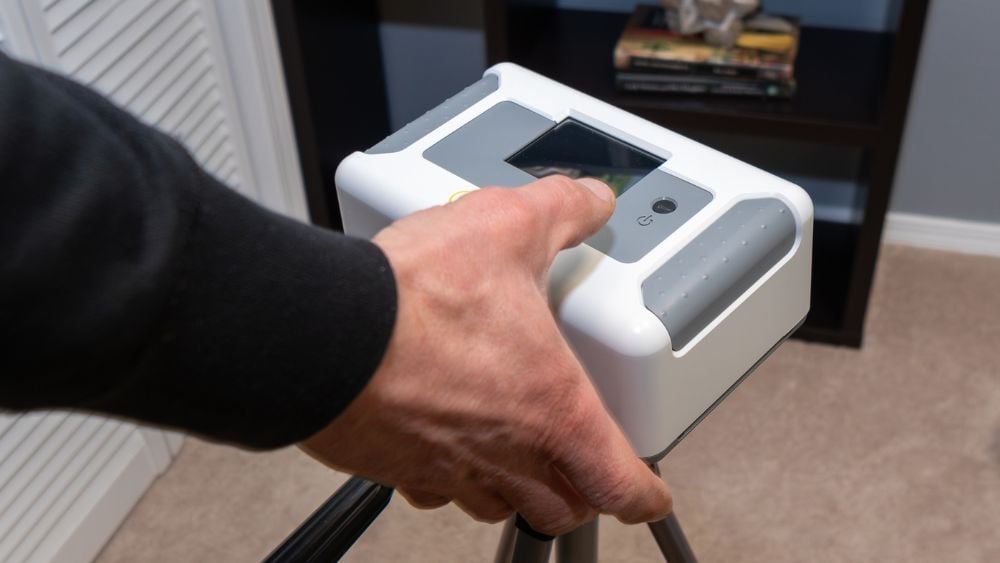
Tests use a small measuring device set up in the basement or lowest level of the building. Short-term tests run 2-90 days; long-term tests run more than 90 days.
Test results measure radon in units of picocuries per liter (pCi/L) of air. Depending on the results of the tests, different actions need to be taken.
| Lower than 2 pCi/L | No action needed. |
| Between 2-4 pCi/L | Consider a radon reduction system and retest after installation. |
| Above 4 pCi/L | For short-term tests: take a 2nd test and calculate the average between the two. If results are still above 4 pCi/L for the average and/or a long-term test has results over 4 pCi/L, have a professional install a radon reduction system. Retest after a few months to ensure levels are reduced. |
The New York State Department of Health offers home test kits for $12.25 that can be ordered online through an order form.
What do I do after radon exposure?
If radon levels come back high or you find you have been exposed to radon, don’t panic. While radon does raise your risk of lung cancer, that risk develops over time. You can take concrete steps to reduce that risk.
A new radon reduction system reduces radon levels by approximately 99 percent, according to NYS DOH estimates. Installing the system costs an average of $2,500 and loans and grants are available to assist with the efforts for those who need them.
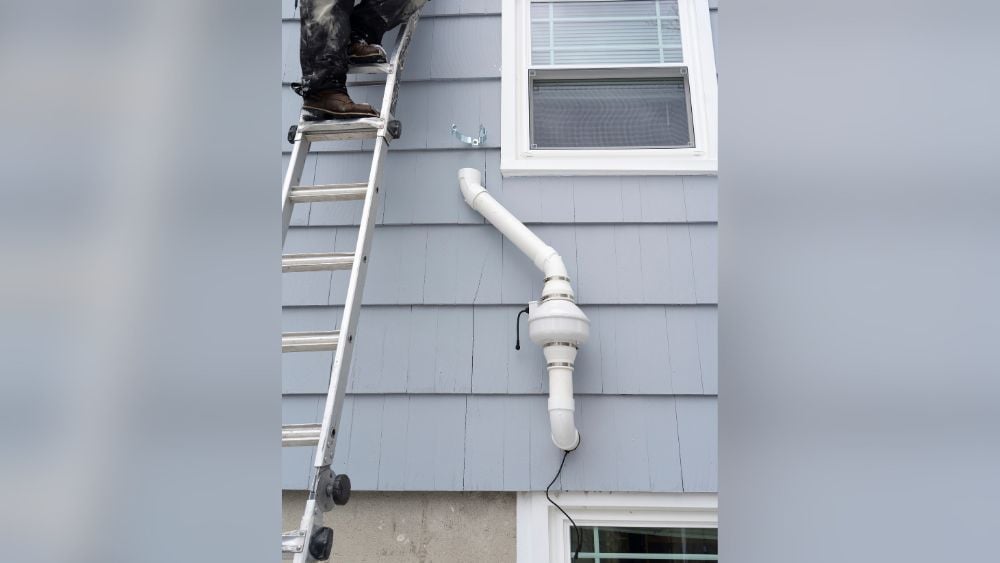
Test for radon again after installation. Retest every few years or after major building renovations to make sure levels stay low. Never turn off or disconnect the system's fan.
In addition to testing and radon reduction efforts, you should talk with your primary care provider to discuss your overall lung cancer risk. While radon exposure can be a factor in a lung cancer diagnosis, it is one of many factors that affect the full picture of your health.
“If you smoke, get help quitting. Quitting is the single most effective way to lower your lung cancer risk, including the risk from radon,” Dr. Ajmal said. “Talk with your primary care provider about your overall lung cancer risk. Radon is one of many factors that affect the full picture of your health.”
Are You Eligible For Lung Cancer Screening?
Lung cancer is the leading cause of cancer deaths in the U.S. but finding cancer early often means we can treat it. Take our health risk assessment and see if you are eligible for our non-invasive lung cancer screening.

Related Articles