Key Takeaways
- Heart failure specialists with Rochester Regional Health are helping to lead nationwide clinical trials to find new treatments for patients.
- Current research efforts are focusing on medications and procedures that help heart failure patients reduce their symptoms.
- Research staff at RGH’s Center for Clinical Research help screen heart failure patients for clinical trials that could improve their symptoms and overall health.
Don't let heart failure symptoms control your life. Our heart failure team specializes in diagnosis, management, and clinical trials for this complex and often difficult to treat form of heart failure. We are ready to listen to your story and create a personalized care plan just for you.
Thousands of patients across Western New York are treated for heart failure each year. Heart failure happens when the heart cannot pump blood as well as it should or fill effectively enough to meet the body’s needs, which can cause fatigue, shortness of breath, and fluid buildup.
There are several types of heart failure, all of which are treated using a variety of treatments and therapies that are tailored to each patient based on their unique personal health history, genetics, physical condition, and other factors.
At Rochester Regional Health’s Sands-Constellation Heart & Vascular Institute, our advanced heart failure specialists treat heart failure patients and help to improve their symptoms and quality of life. Beyond treating these patients, we are also part of multiple nationwide research efforts to deepen our understanding of heart failure and expand new treatments to help patients who need them most.
Vishal Parikh, MD, FACC, FHFSA, is an advanced heart failure specialist and the Director of the Heart Failure with Preserved Ejection Fraction and Pulmonary Hypertension Center at the Sands-Constellation Heart & Vascular Institute. He explains the research being done to benefit heart failure patients and how the Sands-Constellation Heart & Vascular Institute is playing a vital role in moving the future of cardiology research forward.
How heart failure patients find treatment
For most patients, the search for treatment begins with a visit to their primary care provider or general cardiologist.
If symptoms remain difficult to control, their medications are not helping, or simply needs more specialized care, their primary care provider or general cardiologist will refer them to a heart failure specialist.
Heart failure specialists use evidence-based, guideline directed medical therapy (GDMT) when appropriate. Depending on the type of heart failure, these treatments can reduce hospitalization risk, improve symptoms, and potentially improve survival.
“When I see a patient and they are following all of the standard GDMT and their symptoms are still not improving, I start to look at options that are outside of our usual methods of treatment with the goal of helping their symptoms improve,” Dr. Parikh said.
What clinical trials are available for heart failure patients through Rochester Regional Health?
Through Rochester Regional Health’s Sands-Constellation Heart & Vascular Institute, there are multiple clinical trials aimed at helping heart failure patients using new medications or procedures. Currently there are two active trials for treating patients specifically with heart failure with preserved ejection fraction (or stiffening of the heart).
The LEVEL Trial
The LEVEL clinical trial is a phase 3, double-blind, randomized, placebo controlled study that is testing the efficacy of oral levosimendan for patients living with HFpEF (heart failure with preserved ejection fraction) and pulmonary hypertension (high blood pressure in the arteries carrying blood from your heart to your lungs).
The goal of the study is to see a measured improvement in quality of life and reduced heart failure symptoms in patients taking the drug.
Approximately 20-30 eligible subjects in the clinical trial were enrolled in the Rochester region for a 12-week period, where they were administered either levosimendan or a placebo. Before starting their assigned oral medication, each subject walked for six minutes, measured how far they walked, and reported how they felt afterward. When they completed their 12-week regimen, each subject repeated the six-minute walk and reported how they felt afterward again.
After 12 weeks, the subjects who took the placebo were given levosimendan as well.
For part 1 of the trial, Rochester Regional Health featured the 2nd highest enrollment of subjects in the country. As a principal investigator for the LEVEL trial, Dr. Parikh was pleased to see such strong results in the Rochester area.
“It truly is a marker of what we do in our program here at Rochester Regional Health to be able to compete with some of the top academic centers in the country,” Dr. Parikh said.
The LEVEL trial is actively enrolling in its 2nd part. The study will likely be completed in late 2028. After the study is completed, it may take two years to become ready for FDA review and potential approval.
The REBALANCE-HF Trial
The Rebalance HF clinical study is a multi-phase blind study that studies a specific nerve ablation procedure for HFpEF patients.
The goal of the study is to see whether the procedure is safe, results in a measured improvement in quality of life, and improves heart failure symptoms for HFpEF patients.
Heart failure specialists and interventional cardiologists conducted a catheter-based ablation procedure to treat a nerve called the right greater splanchnic nerve. This procedure helped to reduce congestion in HFpEF patients.
In phase 1, 90 study participants were divided into two groups. One group had the Rebalance HF procedure performed, while the other had a sham procedure done. This procedure involves making a small needle puncture similar to one done for an ablation procedure, but the procedure itself is not performed.
Patients are measured before and after the procedure is performed, then are followed over the next two years to determine how the Rebalance HF procedure affected their overall heart health.
The Rebalance HF study will likely be completed in mid-2029. Once completed, it will likely go to the FDA for review and approval.
Why heart failure research matters for patients in Rochester
At the Sands-Constellation Heart & Vascular Institute, providers are taking part in cutting-edge research. Heart failure specialists are discovering gaps in patient care and determining how those can be addressed directly with acute clinical care.
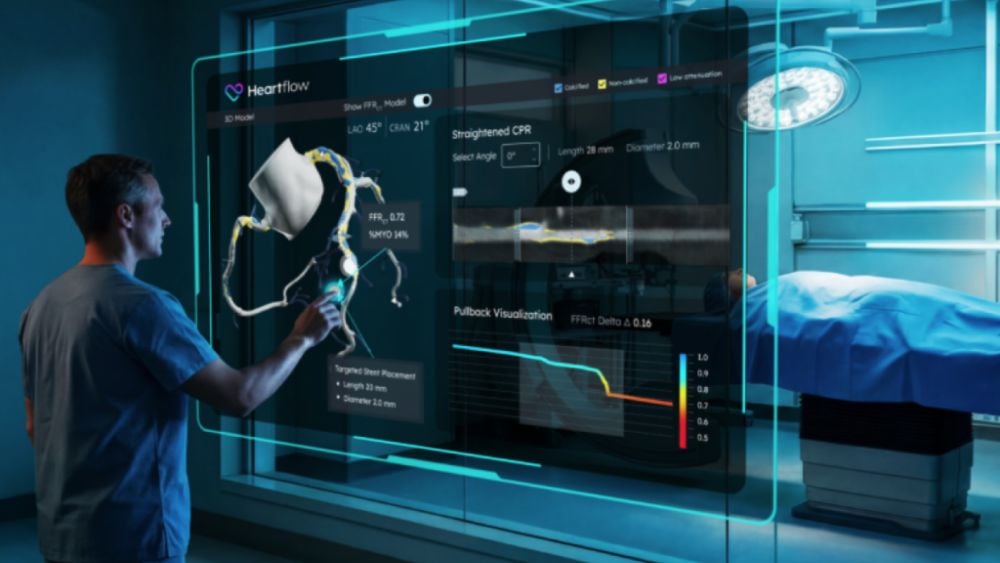
With advanced, innovative imaging options and experts in interventional and electrophysiology cardiology, our advanced heart failure team uses the resources of a multidisciplinary heart care team and modern, cutting-edge technology to determine which area of research and clinical trial will be best for each patient.
Research staff at Rochester General Hospital’s Center for Clinical Research, in conjunction with the heart failure provider, work closely with heart failure patients, screening them to determine if they are eligible for any trials that may benefit their health.
“Nurses at the Center for Clinical Research do a really good job of going through informed consent with each patient and walking them through what the trial period looks like and what happens after it ends,” Dr. Parikh said.
From industry-sponsored trials to investigator-led studies, research staff at Rochester General Hospital Center for Clinical Research strive to bring new treatment options closer to home for our patients.
How patients can enroll in heart failure clinical trials
Heart failure patients with more complex cases who may not be responding well to conventional treatments should talk with their cardiologist to see if they may be eligible for clinical trials.
“With all our clinical trial patients, we are not trying to treat a number. We see the patient as a whole and see what trial they can benefit most from,” Dr. Parikh said.
With experienced heart failure specialists, advanced imaging technology, and access to strong research programs, the Sands-Constellation Heart & Vascular Institute offers national-level critical heart care close to home for patients across the Rochester, Finger Lakes, and St. Lawrence regions.
“We want our patients to know that they don’t need to travel long distances to get access to these clinical trials,” Dr. Parikh said. “They are already offered here in addition to the excellent clinical heart failure care they are currently receiving.”
“When it comes to out-of-box thinking for treatments, that is where we come into play. We thrive in seeing where there are gaps in care and how we can help these patients succeed.”
Expert Care For A Complex Heart Condition
Don't let heart failure symptoms control your life. Our heart failure team specializes in diagnosis, management, and clinical trials for this complex and often difficult to treat form of heart failure. We are ready to listen to your story and create a personalized care plan just for you.
Explore Care For Patients Like You
Related Articles