
Key Takeaways
- Children are checked for vision and hearing, heart and lung function, up-to-date vaccines, reflexes, vitals, and other important measures of health.
- Back-to-school physicals help providers find and address health concerns before they affect learning, sports, or daily activities.
- Regular physical exams track your child's growth and development from year to year.
From birth until age 21, we offer comprehensive, age appropriate care for your child. From routine immunizations to illness and preventive care, we are here to give your child the best possible start and keep them healthy as they grow with you.
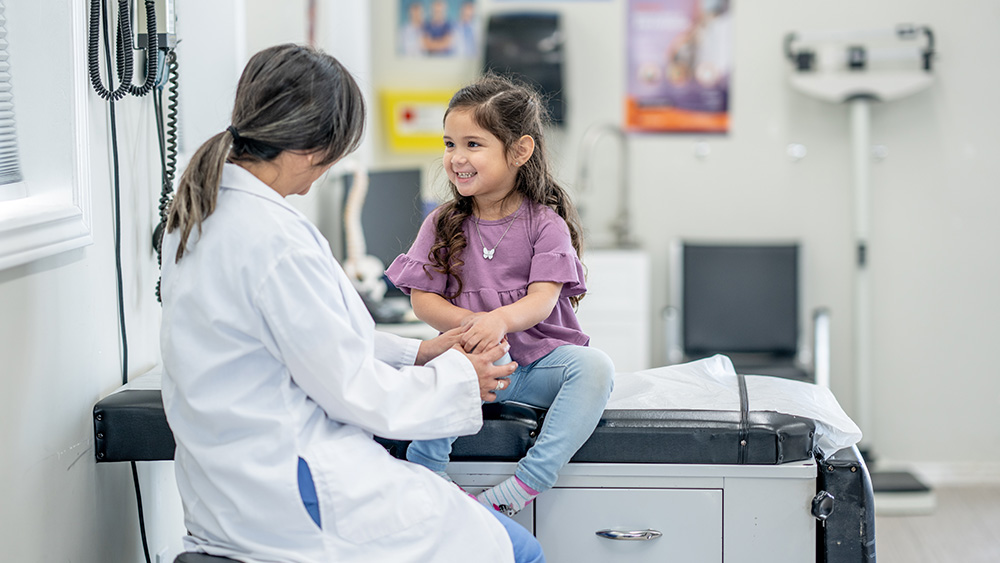
Toward the end of summer, parents are encouraged to bring their children to their provider for an annual physical exam before school starts.
These back to school physicals are an opportunity for your child’s provider to check them for any new or ongoing health concerns, and to mark their growth to get an idea of what their regular health looks like.
Steven Schulz, MD, is the RRH Service Line Division Head of Ambulatory Pediatrics. He sees children for back-to-school physicals and explains what they look for during each appointment and why it’s important to your child’s overall health.
A checklist for back to school exams
1. Vision screening
Checking your child’s vision tracks how well they can see both near and far. Many children do not realize they have vision problems because changes can happen gradually.
Regular screenings help to catch any potential vision issues early and prevent eye strain, headaches, and trouble reading or learning in the classroom.
2. Hearing test
This part of the exam helps your pediatric provider identify any sign of hearing loss or other ear-related concerns that could make learning and communicating a challenge.
Even mild hearing problems can make it difficult to follow classroom instructions, join in discussions, and develop language skills.
3. Breathing
Listening to your child’s lungs and asking about any breathing concerns – such as coughing, wheezing, or shortness of breath – is vital.
This screening can help identify conditions like asthma and allows children to stay active, sleep well, and keep moving with their classmates during physical education classes and recess.
4. Heart function
During an annual exam, your child’s provider will listen to their heart and check for any unusual sounds or rhythms.
If there are any signs of heart conditions that may need further evaluation, this is how they are discovered. Checking heart function also allows your child to safely exercise and play sports.
5. Vaccinations as needed
Your child’s provider will review their immunization record and recommend any vaccines they may be due for. Vaccines help protect children from serious diseases and reduce the spread of illness in schools and communities.
6. Height and weight
Measuring height and weight helps providers track your child's growth over time.
Looking at your child’s growth patterns gives pediatric providers important information about nutrition, overall health, and development. Your child’s medical history can help identify potential concerns that need more attention.
7. Blood pressure
Even though high blood pressure is less common in children than adults, it’s important to know that your child's heart and blood vessels are working properly.
If blood pressure concerns are an issue early in life, knowing that information earlier can help prevent future health problems.
8. Mental health and emotional wellbeing
A child’s mental health is closely linked with their physical health; both affect one another.
During the visit, your child’s provider will ask if they are feeling
- angry
- sad
- extremely nervous or anxious
- unsafe
- bullied
Understanding where these feelings stem from is important and can help to root out potentially unsafe situations. It can also help your child know they are not alone in their emotions and better prepare them for school and living in the world as they grow older.
9. Allergies
Your provider may ask about any symptoms related to food, environmental, or seasonal allergies. Some children may have existing issues with this, while others have none at all.
Knowing and treating any allergies can help prevent reactions, make your child more comfortable, and help them to focus at school and play.
10. Sports readiness
For children who plan to play sports, a sports physical is required by their school district.
There is no significant difference between a sports physical and a back to school physical. During both, the provider will evaluate their overall health and note any concerns that could affect their ability to play.
11. Sexual health
With teenagers, conversations about sex and sexual health may feel awkward for parents to be having – but it’s important to begin having these discussions regularly.
A provider will talk one-on-one with adolescent patients and may discuss puberty, development, STIs, safe sex, or any questions that the patient may have. Parents should have these conversations with their child so they are prepared when they asked about the topics.
12. Screen time
Kids and parents are always having this conversation, and having a provider remind a child about putting limits on screen time can be helpful.
Excessive screen time can affect brain development, social behaviors, sleep schedules, and other parts of a child’s life. This topic will be brought up both with parents and caregivers, and with children themselves.
When to bring your child to their provider
The best time to schedule a back-to-school physical is before the new school year begins. If your child's school year has already begun, the next best time is right now.
Even if your child seems healthy, this exam helps establish a baseline for their health and gives you an opportunity to discuss questions about their growth and development with someone who has known them for a length of time.
“At Rochester Regional Health, we look forward to building strong, long-lasting relationships with all of our patients – including our youngest ones,” Dr. Schulz said. “No matter their age or overall health, we are ready to meet them and help them get to their healthiest potential.”


Related Articles