Early Prevention, Early Detection, We're Here for It.
Colorectal cancer is preventable, treatable, and beatable when caught early. Regular screenings, starting at age 45 for most adults, can detect cancer before symptoms appear and even prevent it by removing pre‑cancerous polyps.
Colorectal cancers are preventable - and early detection saves lives. Talk with your primary care provider about screening.
Ages 21-44
Assess Your Risk
Find out if you're higher risk and may need to start screening sooner. Your provider can help you determine the right plan.Ages 45-75
Begin Regular Screening
Regular colorectal cancer screening is recommended for average‑risk adults. Talk with your provider to choose the right test.Ages 76-85
Talk With Your Provider
Ask your provider whether continued screening is recommended. Many adults over 85 no longer need routine screening.
Colorectal Cancer Screening Options
Colorectal cancer screening can detect cancer early or even prevent it by identifying pre‑cancerous polyps. Below are the main screening options available at our clinics.
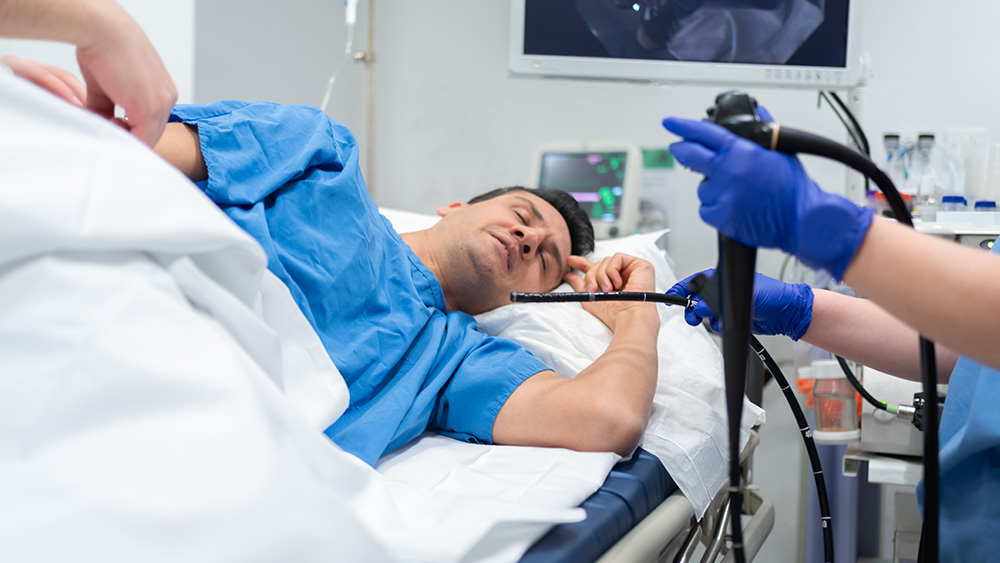
- Colonoscopy - Examines the entire colon with a camera; polyps can be removed during the procedure.
- CT Virtual Colonoscopy - Uses a CT scan to create 3‑D images of the colon; abnormal findings require a standard colonoscopy.
- Flexible Sigmoidoscopy - Examines the lower part of the colon using a thin scope; may lead to a full colonoscopy if needed.
- Double Contrast Barium Enema - X‑ray exam using barium and air to show the colon; abnormal findings require a colonoscopy.
- Fecal Immunochemical Test (FIT) - At‑home test that checks for hidden blood in the stool; positive results require colonoscopy.
- Stool DNA Test (Cologuard) - At‑home test that detects DNA changes and hidden blood linked to cancer or polyps; positive results require colonoscopy.
Learn about your genetic risk for colorectal cancer through no-cost genetic screening with GenoWell, our community health research program.
Risk Factors for Colorectal Cancer
Certain conditions and family history may increase your risk for colorectal cancer. You may be considered higher‑risk if you:
- Have inflammatory bowel disease (such as Crohn's or ulcerative colitis)
- Have a personal or family history of colorectal cancer or polyps
- Have a hereditary syndrome (such as familial adenomatous polyposis or Lynch syndrome)
- Belong to a group with higher risk (such as African American or Ashkenazi Jewish individuals)
Talk with your healthcare provider about when to start screening if any of these apply to you.
Symptoms of Colorectal Cancer
Colorectal cancer often doesn’t cause symptoms early, which is why screening is so important. Possible symptoms can include:
- Rectal bleeding or blood in your stool
- A change in bowel habits lasting more than a few days
- Unexplained abdominal pain or cramping
- Feeling like you can’t fully empty your bowels
- Bloating or a persistent full feeling
- Unexplained fatigue or weight loss
If you notice unexplained changes that last more than two weeks, contact your provider.
Frequently Asked Questions
A polyp is a small growth in the colon. Most are harmless, but some can turn into cancer over time.
Adults at average risk should begin screening at age 45. People with a personal or family history of colorectal cancer or polyps may need to start earlier - talk with your provider to determine the right timing.
Most adults in good health should continue regular screening through age 75.
From 76 to 85, screening decisions depend on overall health and prior screening history.
Adults over 85 generally no longer need colorectal cancer screening.
How often you need screening depends on the test:
- FIT: every year
- Colonoscopy: every 5–10 years, based on findings
- CT virtual colonoscopy: every 5 years
People at higher risk may need more frequent testing. Your provider can recommend the right schedule.
No. Our colonoscopy program does not require a preliminary office visit. You'll have a brief phone consultation and then come in only on the day of your procedure.
If your results are normal, you do not need a follow‑up visit. Your results will be available in your MyCare account and sent to your primary care provider. If anything abnormal is found, your provider will review next steps with you.
Related Articles