Key Takeaways
- Fatigue, sudden upper body discomfort, nausea or acid reflux, unusual sweating, and a pins-and-needles feeling in the chest are signs of a heart attack for women.
- If you think you may be having a heart attack, call 911 and go to the nearest emergency department.
- Remember the ABCDES for heart attack prevention: Awareness, Blood pressure, Cholesterol/Cigarettes, Diet, Diabetes and Depression, Exercise, and Smoking, Stress, and Sleep.
Heart attacks are unfortunately common for women living in the U.S. – affecting people about once every 40 seconds, according to the American Heart Association.
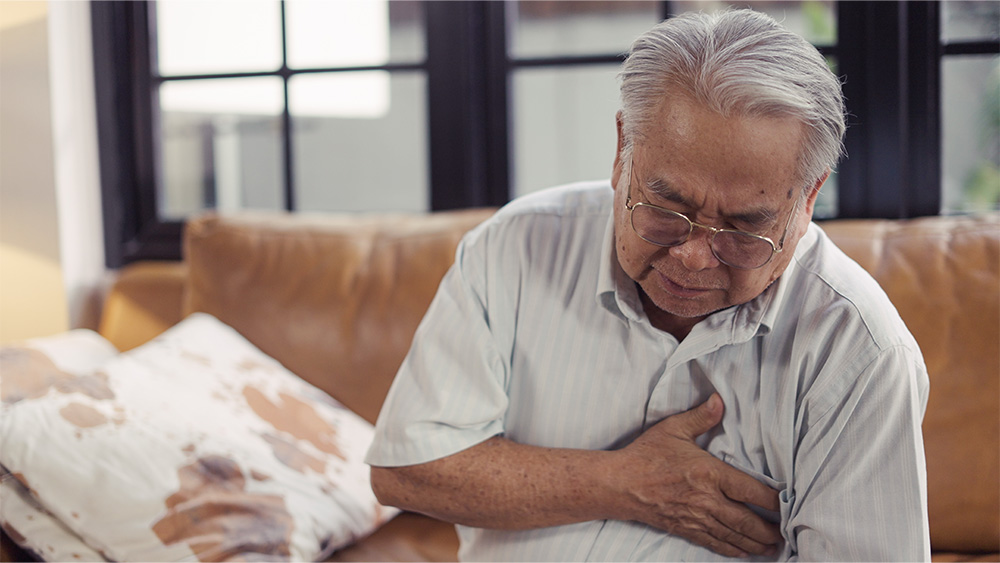
Men and women both describe the feeling of having a heart attack as having an elephant sitting on your chest or a heavy feeling or tightness in their chest.
For women specifically, there are signs or symptoms linked to heart attacks that shouldn’t be ignored or brushed aside as other illnesses.
Uzma Iqbal, MD, is a non-invasive cardiologist and is the Director of Women’s Heart Health at the Sands-Constellation Heart & Vascular Institute. She explains the signs of heart attacks that are unique to women, what to know about symptoms, and small changes women can make to reduce their risk of having heart attacks.
Are there more subtle signs of heart attacks in women?
Women experience the classic chest and left arm pain associated with heart attacks. They may also feel less common but important to note symptoms like:
- pins-and-needles feeling in the chest
- feeling more tired than usual
- having unusual sweating
- feeling nauseous
- indigestion
- having sudden upper body discomfort (neck, jaw, upper back, arms)
Many of these symptoms often feel unrelated to possible heart issues, which is why it’s important to know about them.
“You need to be aware that this could be something significant,” Dr. Iqbal said. “Generally you know when your body is not feeling right. It’s better to get checked and ask a physician, ‘Could this be related to my heart?’”
What to do if you have symptoms of a possible heart attack?
Cardiologists and experts with the American Heart Association agree that, if you have symptoms you believe may be a heart attack, you should skip checking with your primary care provider or an urgent care provider and immediately call 911.
Getting to an emergency department where you can be treated for a potential heart attack is the most important thing you can do.
How do you feel after a heart attack?
While heart attacks are common, each person experiences their heart attack differently and recovery after may also be very different.
A “mild” heart attack means different things to different people. For the patient, it may mean the symptoms they felt; for the physician it could mean the heart function that was affected or the number or kind of blockages.
Recovering from a heart attack also looks different for everyone. Some people may feel fine once they get the appropriate treatment. For others, post-heart attack symptoms may take longer and symptoms like chest pain, shortness of breath, fatigue, or reduced exercise capacity, may last months.
Beyond physical symptoms, there is also an emotional and mental aspect linked to living through a heart attack.
“No one thinks they themselves could have a heart attack,” Dr. Iqbal said. “There is a lot of anxiety associated with it. Once it happens, it takes an emotional toll on you. Depression is also very common after a heart attack.”
Finding support after a heart attack
All patients, regardless of how severe their heart attacks are, are strongly encouraged to undergo cardiac rehabilitation.
Cardiac rehabilitation programs bring personalized, monitored exercise into a structured setting using lifestyle modifications and health educators to build cardiovascular strength and endurance in patients.
Studies show engaging in cardiac rehabilitation reduces the likelihood of future heart attacks. It helps to strengthen each patient’s heart muscle, reduces their cardiac symptoms, and improves their quality of life.
What can I do to prevent a risk of heart attack?
Most preventative actions you can take to prevent a heart attack or lower your risk of a heart attacks are the same for both men and women.
Using the acronym ABCDES helps with remembering those heart attack prevention tips.
Awareness: Know the symptoms of a heart attack and when you should head to the emergency department so you can advocate for yourself.
“If you are thinking your symptoms could be heart related, act on that instinct,” Dr. Iqbal said. “If a woman dismisses herself, she could put herself in danger.”
Blood pressure: You should have a blood pressure reading of 130/80 or lower.
Women with high blood pressure, diabetes, and/or who smoke are more likely to have poor heart health compared to men
Cholesterol and Cigarettes: Knowing your cholesterol numbers makes it easier to keep track of your heart health.
If you know your HDL, LDL, and non-HDL, you have a better sense of how healthy your heart is. Have your provider check your lipoprotein and, if appropriate, a coronary calcium score to see if you are at a higher risk.
Cigarettes are one of the biggest risk factors for heart attacks and heart disease. Decades of research shows they increase the risk of heart issues, stroke, and death.
“The most important thing you can do to prevent a heart attack is to quit smoking,” Dr. Iqbal said.
Diet, Diabetes, and Depression: Diet is one of the changes we can most easily make that affects heart health, as well as cancer risk. Focusing on eating a Mediterranean diet with more plants, lean meats, fiber and fewer saturated fats such as red meats, fried foods, and cheeses can slowly but surely make a difference with heart health.
Diabetes is an important risk factor for women to know about. If you have a hemoglobin A1C level above 6.4, it is considered diabetes. Be proactive about your metabolic health.
Depression is also correlated with worse heart health outcomes. Staying on top of your mental and emotional health affects your entire body; your mental and physical health are closely connected.
Exercise: After quitting smoking, exercise is the most important risk factor that is in your control. Experts with the American Heart Association recommend getting around 150 minutes of cardio each week, plus 60-90 minutes of strength training each week.
Smoking, Stress, and Sleep: Everyone lives with some level of stress in their life. It is important to have coping strategies to release stress. This could be a book club, a friend group, exercising, or other methods.
Sleep is also vital to our overall health. Getting good sleep allows your body to function properly.
“Sleeping is like charging your phone,” Dr. Iqbal said. “You need to get good quality sleep for 7-9 hours for your body to function properly.”
Other heart attack risk factors for women
Pregnancy and delivery
The first true stress test for women is during pregnancy and delivery. Women who have adverse pregnancy outcomes such as having a pre-term baby, preeclampsia, hypertension during pregnancy, gestational diabetes, miscarriage, and placental issues have a higher risk of developing hypertension and/or heart disease.
Perimenopause, menopause and post-menopause
Estrogen levels start dropping for women during perimenopause and menopause, which causes a change in their metabolic health.
This can lead to high cholesterol, high blood pressure, and other risk factors. This makes it even more important to know their numbers because, if those numbers go up, they need to take action more quickly.
Cancer diagnosis
For women with breast, lung, or esophageal cancers, radiation therapy can be a concern for heart health. Our cardio-oncology team with Rochester Regional Health’s Sands-Constellation Heart & Vascular Institute helps to identify and treat women who have had or need radiation therapy and may be at higher risk.
Being informed about your heart health goes a long way toward preventing a heart attack.
“Beginning at age 20, women should begin having conversations about heart health with their primary care providers,” Dr. Iqbal said. “Starting to track cholesterol, diabetes, and blood pressure numbers early on helps women take action sooner to prevent heart attacks and strokes later in life.”
Are You At Risk For Heart Disease?
Determine your risk for heart disease with our quick online assessment, and discover simple steps you can take to help lower your risk.

Related Articles