Comprehensive Care for Atrial Fibrillation
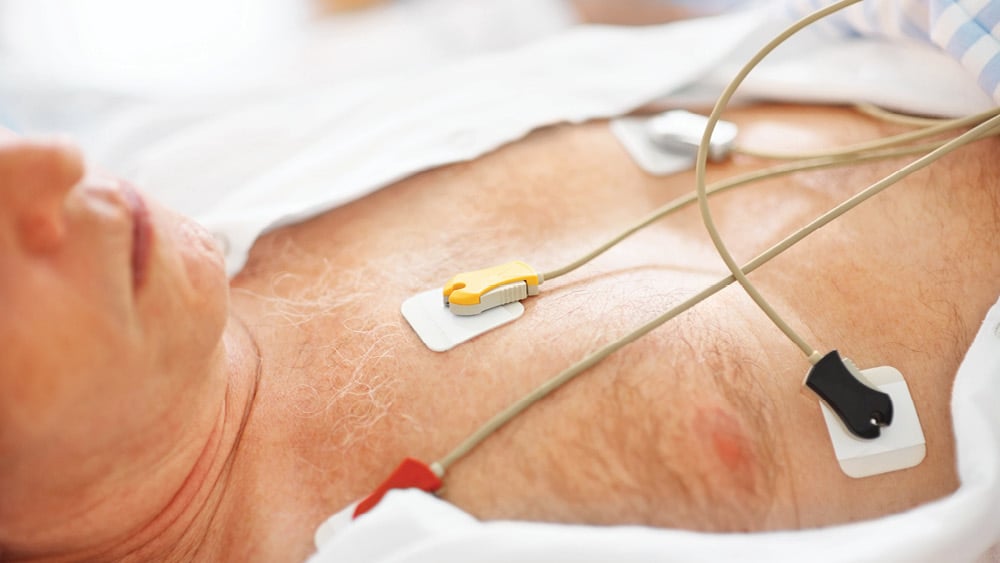
We’re here to help you understand and manage atrial fibrillation (AFib) — a common heart rhythm problem that can affect how you feel and live your life. The Sands-Constellation Heart & Vascular Institute’s AFib Center provides complete care, from identifying the cause of your AFib to helping treat and control it.
Why Choose the AFib Center at Rochester Regional Health?
- Team-Based Expertise: Our heart rhythm experts, heart doctors, and surgeons work together to diagnose and treat AFib quickly and safely.
- Whole-Heart Health Approach: We look at your whole heart health, connecting you with sleep, nutrition, and fitness specialists to help lower risks and keep you healthy for the long run.
- Personalized Support: Your care is tailored to your unique needs, helping you feel your best and reduce long-term risks.
What is Atrial Fibrillation (AFib)?
Atrial Fibrillation (AFib) is the most common kind of heart rhythm problem, affecting millions of people around the world. AFib makes the top parts of the heart (called atria) beat too fast and irregularly, which can change how blood moves through the body. This can cause blood clots, stroke, heart failure, and other serious problems. Finding and treating AFib early can help prevent these issues and help you feel better.
Signs and Symptoms to Watch For
AFib can cause a wide variety of symptoms in most patients and can severely impact quality of life.
Heart Palpitations

Fatigue
Difficulty Exercising

Chest Pain

Shortness of Breath

Anxiety

Dizziness
Why Should You Seek Treatment for AFib?
AFib Progresses Over Time
Untreated AFib can worsen. Early treatment is more effective and helps prevent complications.
Quality of Life Impact
AFib can have a high symptom burden, limiting activity and affecting your daily life.
Stroke & Heart Failure Risk
AFib increases your risk of stroke and heart failure by up to 5 times. Timely care is essential.
How is AFib Treated?
- Maintain a healthy weight to reduce AFib risk
- Exercise regularly — aim for 150 minutes of moderate activity weekly
- Tight control of blood pressure and diabetes
- Treat sleep apnea with evaluation or CPAP as needed
- Quit smoking — call NYS Quit Line: (866) 697-8487
- Minimize alcohol intake
- Manage stress through relaxation or meditation
- Prioritize good sleep (7–9 hours each night)
Your provider may also recommend referrals to sleep medicine, nutrition, or lifestyle programs for added support.
Your provider may recommend medications to control your heart rate or rhythm, to provide symptom relief and prevent heart failure and lower your risk of blood clots and stroke. Because AFib can progress over time, your treatment plan may be adjusted.
For some patients, procedures may be recommended:
- Cardioversion: A short, hospital-based procedure that delivers a mild electrical shock to restore normal heart rhythm. It offers quick symptom relief, but AFib may return over time.
- Catheter Ablation: Performed by an electrophysiologist. This is a minimally invasive procedure that targets and destroys abnormal electrical signals in the heart that cause AFib, often providing long-term rhythm control.
- Left Atrial Appendage Closure Device: For patients who cannot take long-term blood thinners, a device such as the WATCHMAN or Amulet can seal off the heart’s left atrial appendage to reduce stroke risk. Learn more about the WATCHMAN device.
Related Articles